What Is an Address Poisoning Attack — and Why It Tricks Even Careful Crypto Users
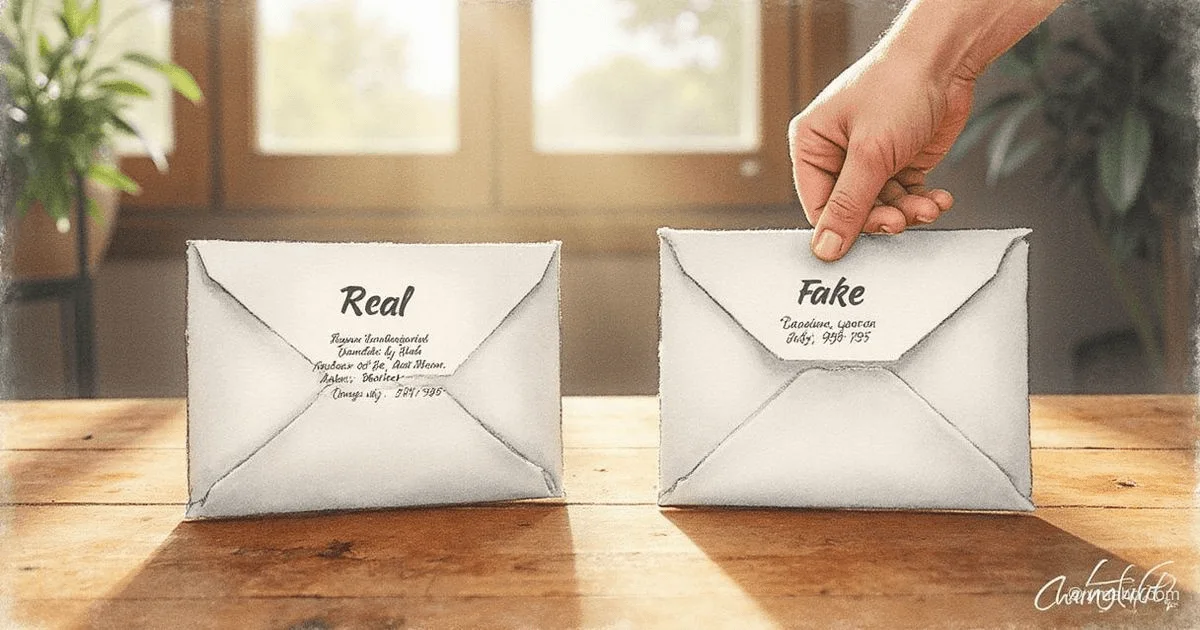
Imagine you’re texting a friend to send you money, but someone creates a fake contact that looks almost identical to yours—same first few letters, same last few letters. You glance quickly, assume it’s the right person, and hit send. That’s the real-world version of what’s happening in crypto right now with something called an “address poisoning attack.”
These attacks don’t break into systems or steal passwords. Instead, they rely on how our brains work: we skim, we assume, and we trust visual patterns. In blockchain, where every transaction is permanent, that tiny mistake can cost real money.
How Address Poisoning Actually Works
On blockchains like Solana (where the recent Squads incident occurred), your wallet address is public—anyone can see it. Clever attackers use this openness against you by creating fake wallet addresses that look almost like yours or your team’s.
For example:
- Real address:
ABCD...XYZ - Fake address:
ABCF...XYA
If you only check the beginning and end—as many people do—you might not notice the subtle swap in the middle. It’s like mistaking “John Smith” for “Jon Smyth” in a crowded email inbox.
In multisig wallets (accounts that require multiple people to approve a transaction, like a digital safe with several keys), attackers go a step further. They create a new fake multisig account and add your public key to it. Because the system shows all accounts linked to your address, this fake one pops up in your list—right alongside your real ones.
The Goal Isn’t Hacking—It’s Human Error
Crucially, these attacks don’t exploit software bugs. The blockchain itself remains secure. Instead, attackers are betting you’ll:
- Send funds to the fake address by accident
- Approve a transaction thinking it’s from your team
- Mistake a scam account for a legitimate one
No code is broken. No private keys are stolen. The vulnerability is purely human: speed, habit, and visual similarity.
What’s Being Done to Help Users
Developers behind tools like Squads are rolling out changes to make deception harder:
- Immediate fixes: Warning banners appear next to unfamiliar accounts, and new multisig accounts are flagged if they’ve never been used before.
- Coming soon: New accounts won’t show up automatically. You’ll have to manually approve (“whitelist”) them—like confirming a new device trying to access your email.
These updates aim to slow you down just enough to double-check before acting.
How to Protect Yourself Right Now
You don’t need to be a tech expert to stay safe. Just adopt a few mindful habits:
- Never trust partial addresses—always verify the full string if possible.
- Pin trusted accounts to the top of your wallet so they’re easy to find and hard to confuse.
- Talk to your team before approving any unusual transaction—even if it “looks right.”
- Treat every new account as suspicious until confirmed through a separate channel (like a phone call or secure chat).
Remember: blockchain transactions can’t be undone. A single misclick is permanent.
What Does This Mean for Regular People?
Even if you’re not using advanced tools like multisig wallets yet, this matters. As crypto becomes more common—used for payments, savings, or community projects—scammers will keep refining tricks that prey on how we see and act. Learning to pause, verify, and question “almost-right” details protects you far more than any app update ever could.
Staying safe isn’t about being paranoid—it’s about building simple, consistent habits in a world where mistakes can’t be reversed.
Key takeaways
- Address poisoning tricks users by creating fake wallet addresses that look nearly identical to real ones.
- These attacks succeed through human error, not software flaws—no private keys are stolen.
- Always verify full addresses and confirm unusual activity with your team before acting.
- Upcoming UI changes will help flag suspicious accounts, but personal vigilance remains essential.
- Blockchain transactions are irreversible, so prevention is the only real defense.
— Editorial Team









