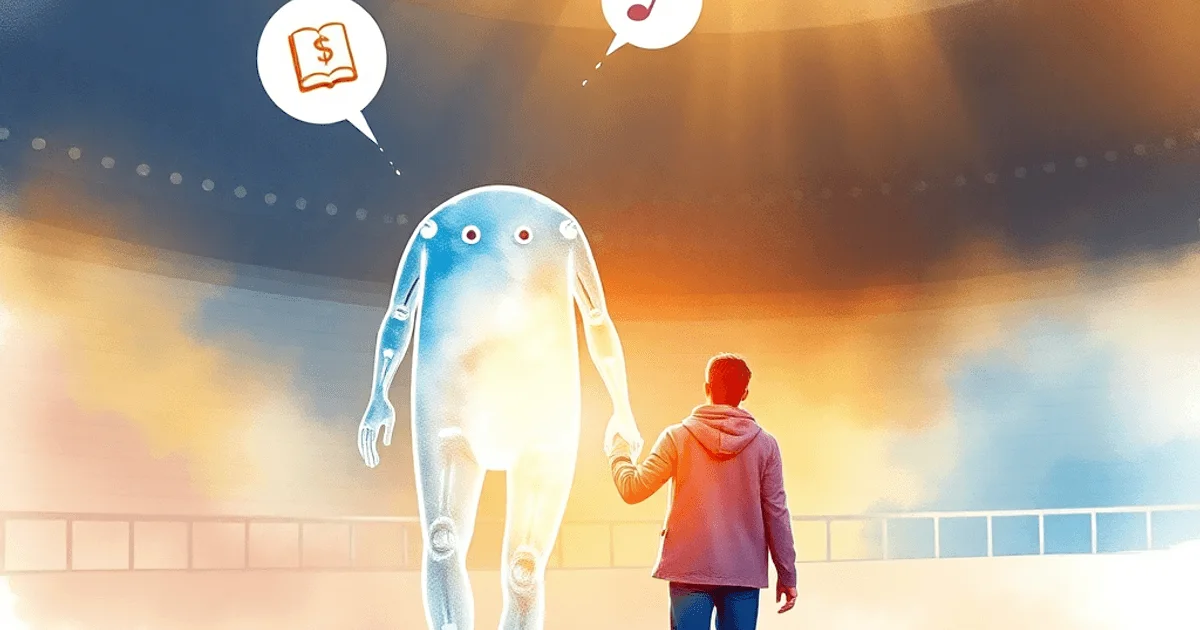
Your Next Digital Friend: How AI Companions Are Learning to Remember You
You've probably chatted with a customer service bot that forgets your name after every message. But what if an AI could remember your preferences, your past conversations, and even your sense of humor? That's not sci-fi anymore — new AI companions are stepping out of the chatbox and into long-term relationships with users. And if you've ever wished your digital tools felt more human, this shift matters to you.
How This AI Feels Different: The Power of Memory
Traditional chatbots work like a new barista every time you order coffee — they don't remember your usual. But the latest AI companions use "memory systems" to build a history with you. Think of it like a friend who notes your coffee order after a few visits and starts suggesting new pastries you might like.
These systems have two types of memory:
- Short-term memory: Keeps track of your current conversation (like remembering you asked about vegan options three messages ago).
- Long-term memory: Stores your preferences over weeks or months (like knowing you always order oat milk).
This isn't just about convenience. By remembering your style and interests, the AI tailors responses to feel uniquely yours — turning robotic replies into something that starts to feel like a relationship.
The Web3 Twist: Your Wallet as Your ID
Here's where it gets interesting for the blockchain world. Instead of creating a new account for every app, these AI companions use your crypto wallet as your digital ID. Your wallet address becomes your universal username across different platforms.
And those NFTs you collect? They're not just digital art. In this system, an NFT can act like a VIP pass — unlocking special features or personalized experiences with the AI. For example, owning a specific NFT might give you access to an AI that speaks in pirate slang (because why not?).
Key differences from old-school chatbots:
- Traditional bots: One-and-done interactions, no memory, no identity.
- New AI companions: Builds history, uses your wallet as ID, and NFTs can customize your experience.
Why It Matters for Everyday Users
This isn't just tech jargon — it's about making digital interactions feel less transactional and more human. When your AI remembers you, it saves time and creates a smoother experience. No more repeating yourself when you ask about your bank balance or favorite restaurant.
But there's a catch: with memory comes data. These systems store your preferences and conversation history, which raises real questions about privacy. Who owns that data? Can you delete it? Right now, the rules are still being written. It's crucial to understand that when you interact with these systems, you're building a digital footprint that could follow you across apps.
Key takeaways:
- AI companions remember you across conversations, like a helpful friend.
- Your crypto wallet acts as your universal ID, and NFTs can unlock features.
- This makes interactions more personal but requires careful data handling.
- It's a step toward AI that feels less like a tool and more like a teammate.
What does this mean for regular people? First, your digital interactions will start feeling more intuitive and less repetitive. Second, you'll need to pay closer attention to what data you share — because this AI won't forget. And third, that NFT you bought as art might suddenly become your key to a whole new layer of personalized tech.
— Editorial Team









