Ukraine and the IMF Seek Alternatives to VAT for Individual Entrepreneurs: Global Implications
Ukraine and the International Monetary Fund (IMF) have agreed to explore alternatives to implementing a value-added tax (VAT) on individual entrepreneurs (often referred to locally as FOPs). This development matters not just to Ukrainians but globally, as Ukraine’s stability directly impacts the international financial landscape—a stronger Ukrainian economy translates to lower risks for global markets and more reliable crisis support.
Ukrainian officials had initially planned to impose VAT on small-scale entrepreneurs to bolster state revenues. However, the proposal sparked widespread backlash. Individual entrepreneurs number in the hundreds of thousands and operate across services, retail, and craftsmanship. Raising their tax burden would likely drive up prices at local shops and cafes. Imagine your neighborhood baker suddenly facing higher taxes—most would simply pass those costs onto customers by raising bread prices. That’s exactly the dilemma Ukraine faces: the government needs to fill its coffers, but not at the expense of everyday consumers.
Why Is Ukraine Seeking Alternatives?
Prime Minister Yulia Sviridenko noted that during spring negotiations with the IMF in Washington, both sides concluded that imposing VAT on individual entrepreneurs would be far too disruptive amid an ongoing war. It’s akin to trying to patch a budget shortfall while risking the bankruptcy of small businesses. Typically known for pushing strict fiscal reforms, the IMF has shown notable flexibility this time around. The reason? Ukraine is in a wartime economy, and abrupt policy shifts could destabilize it further. The Fund recognized that safeguarding small enterprises is essential to the country’s broader recovery.
What Options Are Being Discussed?
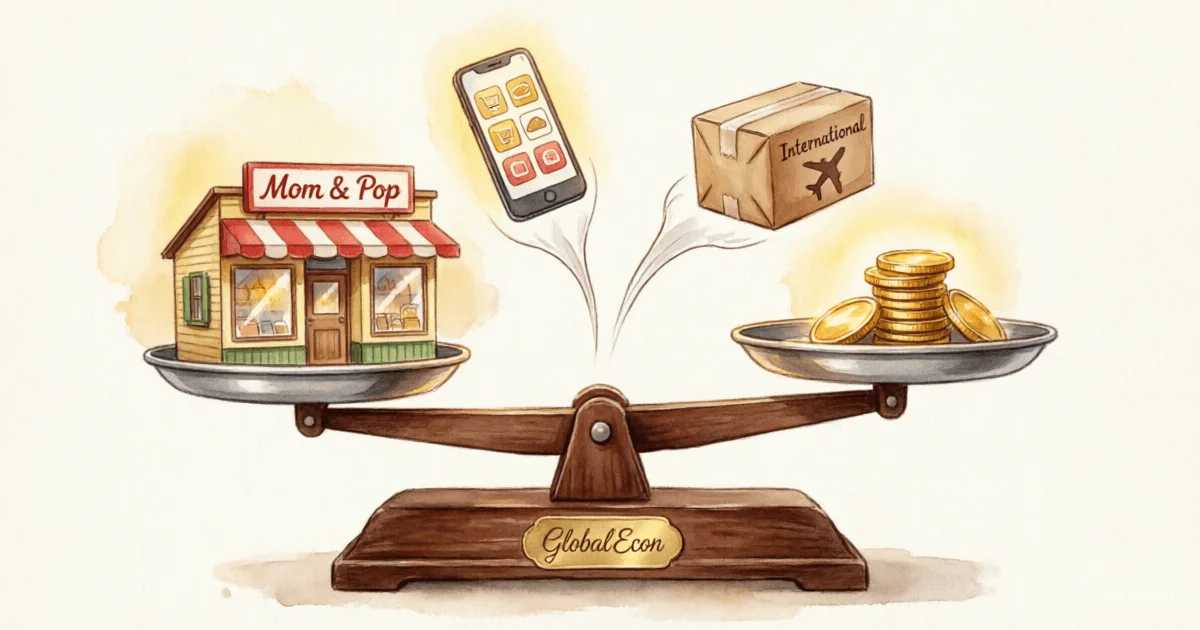
Rather than extending VAT to individual entrepreneurs, the government is proposing three alternative legislative measures:
- A tax on digital platforms (such as Airbnb or Uber): This would involve collecting a modest fee from online service providers already operating within Ukraine.
- A levy on international shipments: Orders placed from abroad would see a portion of their value directed to the state budget. This would primarily impact frequent cross-border online shoppers.
- Extension of the military surcharge: An existing temporary wartime tax would be prolonged to fund national defense.
These proposals function much like a household choosing to sell unused items or take on extra work rather than slash its core budget. They aim to tap into new revenue streams without directly squeezing everyday consumers.
Key Takeaways
Here are the most important aspects of the current situation:
- The 2027 Budget Framework: Ukraine is planning for long-term reconstruction, meaning every hryvnia must be allocated strategically. Any new taxation must be equitable and economically sustainable.
- IMF’s Flexible Stance: For the first time, the Fund is stepping back from rigid austerity demands, acknowledging the unique pressures of wartime governance. This shift highlights how international financial institutions are learning to adapt to active conflict scenarios.
- Small Business at the Forefront: Individual entrepreneurs form the backbone of Ukraine’s economy and cannot bear excessive tax burdens. Their viability is crucial for job creation and economic resilience.
- Global Ripple Effects: Ukraine’s successful reform strategy will send a strong message to other nations that crisis-era financial assistance can be effective. This will reinforce confidence in the international monetary framework.
What Does This Mean for Everyday People?
If Ukraine strikes the right balance between revenue generation and business support, it will help stabilize domestic prices. A stable Ukraine reduces volatility in global markets and brings us closer to a peaceful resolution. For consumers worldwide, this translates to a more predictable economic climate and steadier pricing on goods exported from Ukraine.
— Editorial Team









