Why an Attack on a Ukrainian Farm Could Drive Up Bread Prices at Your Local Store?
Russian drones damaged a farm in the Kharkiv region. Why should you care about an incident in a small Ukrainian village? Because every such strike is like a stone dropped into the global food supply well. And the ripples from that splash reach your grocery store shelves.
In the village of Velyka Babka, part of the Chuhuiv community, Russian drones struck an agricultural complex. According to Chuhuiv mayor Halyna Minaieva, a private home was also damaged, but there were no casualties. This isn't the first strike: just the day before, a missile hit a gas station in Bohodukhiv. Incidents like this happen daily—but behind them lies a global issue.
How Does One Farm Affect the Entire World?
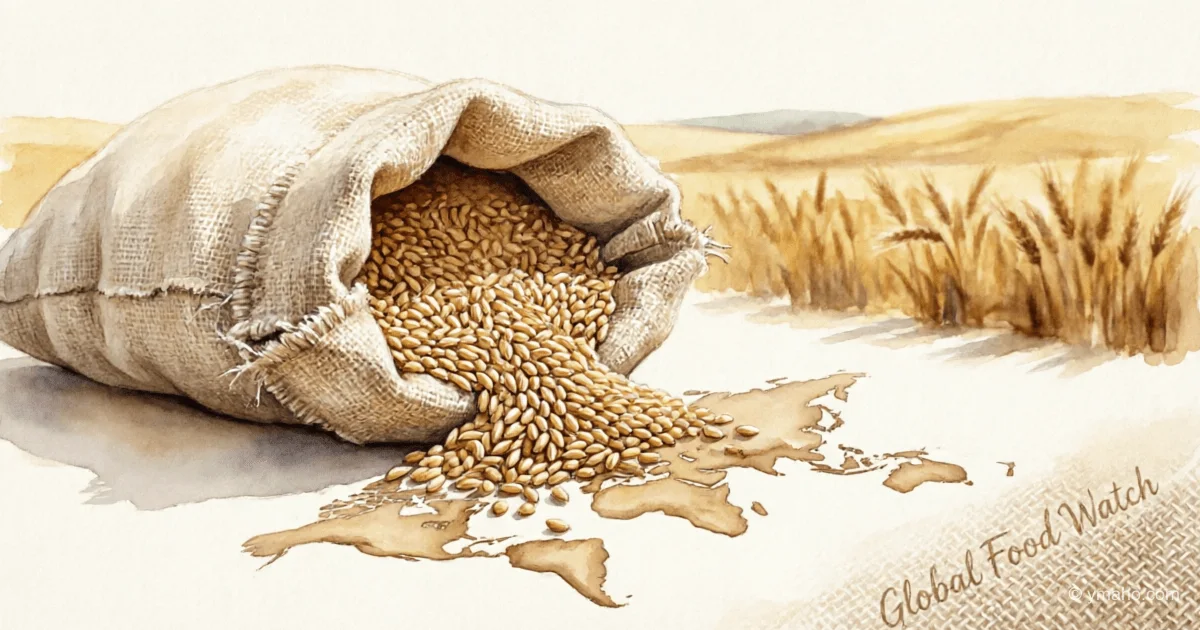
Imagine the global grain market as a giant beach ball. Ukraine is one of the main pumps inflating it. The country supplies 10% of the world's wheat and 15% of its corn. When Russian drones damage grain elevators, combines, or storage facilities, it's like slowly letting the air out of that ball.
Even a small leak from constant strikes eventually deflates the ball. In 2022, right after the war began, wheat prices skyrocketed by 40%. While they've stabilized since then, every new attack creates the risk of another spike. For a farmer in Velyka Babka, it's a tragedy. For you, it could mean higher bread prices down the road.
What War Updates Are Hiding From You?
News outlets often report on military gains or losses. But they rarely explain how it impacts you. Here’s what you need to understand:
- Ukraine exports grain through three main routes: the Black Sea, the Danube River, and land corridors. Infrastructure attacks block these pathways.
- Even if a single grain elevator is damaged, it reduces overall export capacity. It’s like turning off one light in your house—the whole room gets dimmer.
- High grain prices disproportionately hurt the most vulnerable: in Egypt, bread makes up 40% of low-income families' diets. There, every percentage point increase in prices can spark food riots.
International organizations are already warning that 2024 could see the worst food security conditions since 2022. And the cause isn't just the war—it's also these localized strikes piling up like a snowball.
Key Takeaways
- [ ] Strikes on agricultural facilities aren't random; they're part of a strategy to undermine Ukraine's economy
- [ ] Global bread and cereal prices depend on the condition of Ukrainian farmland, even if your country doesn't import directly from them
- [ ] Each damaged grain elevator removes 5,000 to 10,000 tons from global reserves—enough to bake 15 million loaves of bread
- [ ] The war in Ukraine remains the primary driver of food inflation in 50 countries worldwide
What does this mean for everyday people? Even if you live thousands of miles away from Ukraine, this conflict affects your wallet. Damaging a farm in the Kharkiv region is like a tiny crack in the global supply chain. Today, it might add about 50 cents to the price of a loaf of bread; tomorrow, it could trigger shortages in poorer nations. It's a reminder that in a hyper-connected world, the stability of your dinner plate depends on events in a foreign village. Pay attention to these stories—they explain why grocery prices are rising faster than wages.
— Editorial Team









