How Attacks on Odesa and the Falling Hryvnia Are Driving Up Your Grocery Bills
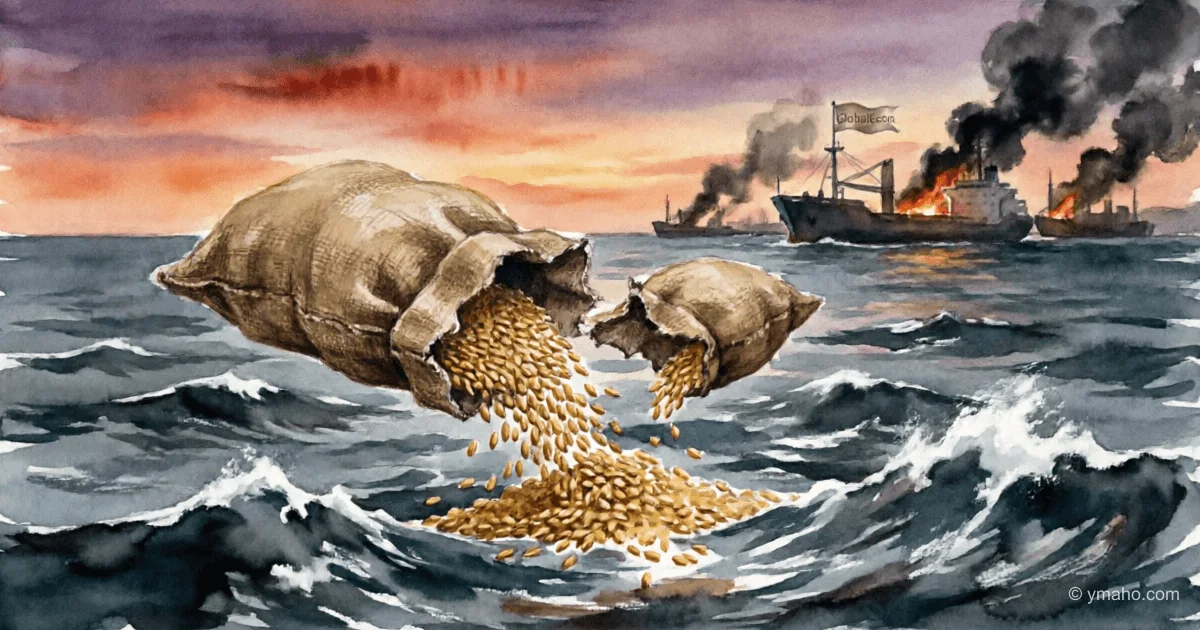
Yesterday, Russian missiles struck the ports of Odesa again, sparking fires and threatening global grain supplies. At the same time, the Ukrainian hryvnia continues to weaken, edging closer to 45 per dollar. Why should you care? Because conflicts at Europe’s borders are already driving up prices at your local stores—and this isn’t a joke.
Ports Under Fire: How Odesa Ties Into Your Bread Basket
Ukraine is one of the world’s top grain exporters. When Russian missiles hit Odesa’s ports, it’s like someone cutting off the only road to your neighborhood grocery store. For millions across Africa and the Middle East, Ukraine is a primary bread supplier. Imagine waiting for payday, only to find the shelves empty. That’s exactly how nations reliant on Ukrainian grain feel right now.
Since the collapse of the Black Sea Grain Initiative, Russia has kept targeting these ports. Last month alone, such strikes slashed exports by 30%. New fires in Odesa now threaten whatever supply chains remain. This isn’t just a “regional skirmish”—it’s a direct blow to global food security. You might notice rising bread prices in Egypt or Turkey on the evening news, but soon enough, it’ll hit your own shopping cart.
Hryvnia in Freefall: A Warning Signal for the Entire World
Businesses in Ukraine now expect the hryvnia to drop to 45 against the dollar. To someone unfamiliar with forex markets, that number sounds abstract. Let me break it down: imagine your paycheck suddenly buying 10% fewer groceries overnight. That’s what currency depreciation feels like. The war is pushing the hryvnia down, making imports costlier, driving up prices, and eroding economic confidence.
But why does this matter beyond Ukraine’s borders? Because a weakening currency acts like a red flag for the entire region. If the hryvnia keeps sliding, it could trigger a domino effect in other economies facing similar instability. Investors will start pulling back from vulnerable markets, meaning borrowing costs could rise even in your own country. Currency markets operate like a massive global reservoir: when one side takes a heavy splash, the ripples spread far and wide.
What Does This Mean for Everyday People?
If Ukrainian grain shipments continue to shrink, bread and flour prices could climb even in your home country. And that slipping hryvnia? It’s a clear warning: wars in Europe are destabilizing the global economy, and everyone feels the impact. You won’t see missiles landing on your driveway, but you’ll definitely feel the fallout when you’re checking out at the supermarket.
Key Takeaways
- Strikes on Odesa’s ports jeopardize 10% of global grain shipments—impacting prices from Cairo to Istanbul.
- The hryvnia is nearing 45 to the dollar: a weaker national currency makes imports more expensive, fueling inflation.
- European conflicts are already reshaping global supply chains—not as a temporary blip, but as a new, entrenched trend.
- Currency volatility in conflict zones can trigger cascading effects in other fragile economies.
- One in three people worldwide relies on affordable grain—when supplies tighten, the poorest suffer first.
— Editorial Team









