A Major Australian Oil Refinery Fire Adds Pressure to Global Fuel Supplies
A massive fire at Australia's largest oil refinery has shut down a key source of fuel for the nation, adding strain to a world already dealing with disrupted energy supplies from conflict. This matters to everyone because it could push gasoline and diesel prices higher, affecting everything from your commute to the cost of shipping goods.
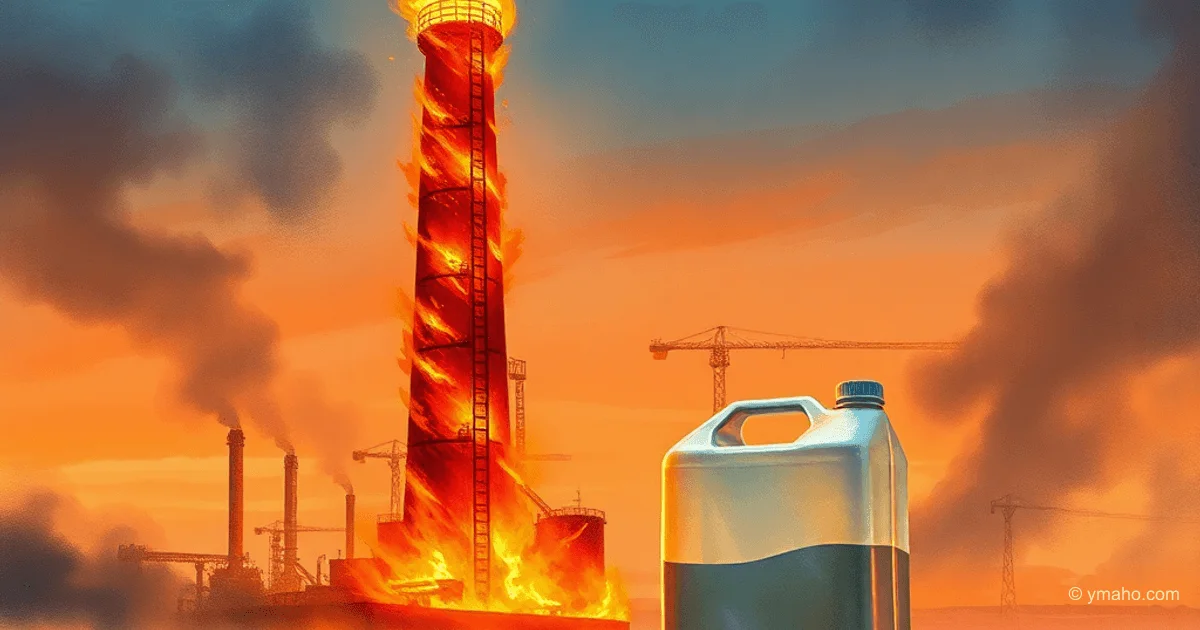
The fire erupted at the Viva Energy refinery in Geelong, which processes about 10% of Australia's fuel. Flames reached 200 feet high after a leak of flammable gas ignited. The plant, which started operations in the 1950s, had been running at full capacity to help meet demand during a global oil crisis. Firefighters managed to contain the blaze and protect sections that produce jet fuel and diesel, but the part that makes high-octane gasoline was heavily damaged.
Why This Fire Hits at a Vulnerable Time
Australia imports about 80% of the fuel it uses. Think of it like a household that buys most of its groceries from a single store—if that store has a problem, you need to quickly find other suppliers. The nation's fuel security was already stretched because of a war in the Middle East that has blocked a major shipping route. The Strait of Hormuz is like a highway for oil tankers; when it's closed, global supply gets tight and prices rise. This fire removes a crucial domestic supplier just as finding replacements from abroad has become harder.
- Australia only has two working oil refineries; this was the largest one.
- The country's fuel reserves are low, holding only about 38 days' worth of petrol, compared to an international recommendation of 90 days.
- The wider Asia-Pacific region is facing similar fuel security concerns.
The Immediate Response and Global Links
The Australian government has activated emergency measures to secure more fuel. They've arranged an extra shipment of about 100 million litres of diesel from countries like Brunei and South Korea. Officials are also asking people not to panic-buy fuel, as hoarding can make shortages worse quickly. Meanwhile, the refinery's priority is making the site safe, not restarting production, meaning the shutdown could last for an unknown period.
This event is a local problem with global connections. When one country loses a significant chunk of its fuel-making capacity, it must buy more from the international market. Increased demand from a large buyer like Australia can put upward pressure on prices worldwide, similar to how many people rushing to buy the same popular item can make it more expensive for everyone.
Key takeaways
- A critical domestic fuel source for Australia is offline due to a major fire, compounding existing global supply issues.
- The nation's low fuel reserves and reliance on imports make it vulnerable to such disruptions.
- Government actions to import more fuel could increase competition in global markets, potentially affecting prices elsewhere.
What does this mean for regular people?
If you drive a car or rely on goods shipped by truck, plane, or ship, this event could trickle down to you. Higher fuel costs for transporters often lead to higher prices for goods and services. While the direct impact will be strongest in Australia, tightened global supplies mean everyone might feel a bit more pinch at the pump or in their shopping bills over the coming weeks.
— Editorial Team









