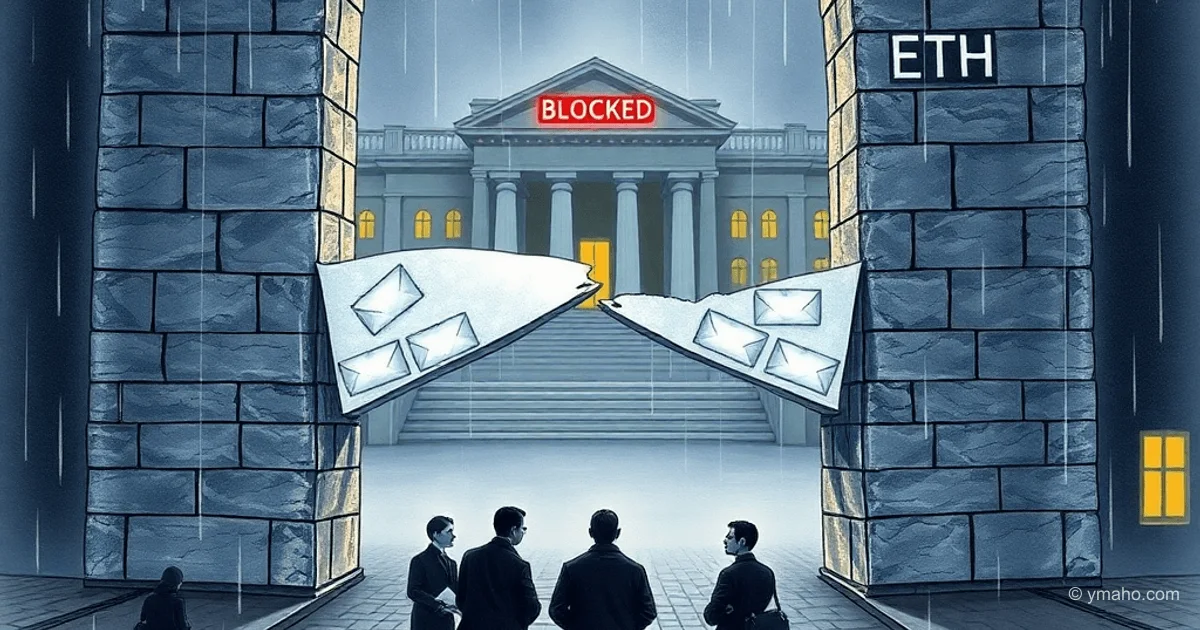
BestChange Blocks Ruble Transactions for 95 Exchangers Due to Fraud Suspicions
The largest crypto exchange aggregator, BestChange, has imposed significant restrictions: 95 services can no longer process Russian ruble transactions. This decision follows hundreds of user complaints about bank cards being frozen after transfers through these exchanges. Although there is no concrete evidence of illegal activity, BestChange took a preemptive step to protect users from potential risks.
What is the ‘white triangle’ scam and why is it dangerous?
The ‘white triangle’ scheme occurs when an exchange doesn’t handle funds directly but instead connects two customers. For example, if you want to buy Bitcoin with rubles, the exchange provides you with the details of another person—often without their knowledge—who supposedly sells cryptocurrency. You transfer your rubles to this individual, who, in theory, sends you BTC. In reality, however, they might disappear with your money or become a victim of scammers themselves.
This method allows operators to bypass licenses, audits, and oversight. To banks, such transactions appear suspicious: sudden transfers from unknown parties, fragmented amounts, and the use of obscure payment systems. As a result, your card gets blocked, and restoring access can be extremely difficult.
Why did BestChange take these measures?
BestChange isn’t a regulator or a bank, but it has effectively become a watchdog for its users. Over the past few months, the number of complaints has surged: people have lost tens of thousands of rubles, only to see their accounts subject to banking sanctions. The aggregator identified two alarming patterns among the problematic exchanges:
- Fragmented transfers — dozens of small payments are used instead of a single large one to circumvent limits.
- Use of unverified processors and P2P platforms — intermediaries lacking transparency and regulatory oversight.
Importantly, the restrictions apply only to ruble transactions. The same 95 services can still exchange BTC for ETH, USDT for SOL, and so on—just not via Russian banks.
What do the market and experts say?
Earlier, Bi.Zone Brand Protection reported a sharp increase in such schemes across Russia. According to their data, hundreds of cases have already been documented, and the numbers continue to rise. Scammers disguise themselves as legitimate exchanges, using real websites and even fake reviews to build trust.
At the same time, BestChange emphasizes that they have no proof that specific exchanges are involved in criminal activities. However, the risk to users is too high to wait for court rulings or official investigations.
Key points
- 95 exchanges have been temporarily suspended from ruble transactions on BestChange.
- The reason is suspicion of using the ‘white triangle’ scam, which leads to bank card freezes.
- The restrictions apply only to RUB; other assets (BTC, ETH, USDT, etc.) can still be traded as usual.
- BestChange acted preemptively—to safeguard users—rather than waiting for legal action.
- Experts confirm a growing trend of these fraudulent schemes among Russian crypto users.
What does this mean for everyday users?
If you’re exchanging cryptocurrency for rubles (or vice versa), pay extra attention to your choice of service. Even if a site looks trustworthy, check whether it’s listed on BestChange and avoid using suspicious payment methods. It’s better to accept a slightly higher fee than to risk losing your money and having your bank card blocked. With increasing pressure from banks and regulators, security should always come before speed and low costs.
— Editorial Team









