Your Toaster Could Talk to Blockchains: How Real-World Devices Join the Crypto World
Picture this: Your smart coffee maker automatically pays for beans when it's running low, or your fitness tracker proves you walked 10,000 steps to earn insurance discounts—all without apps or middlemen. This isn't sci-fi; it's what happens when everyday devices connect to blockchains. And it matters because it could make your digital life more secure, efficient, and fair.
Why Your Devices Need Blockchain Express Lanes
Blockchains are like secure digital ledgers that record transactions. But they weren't built for the constant data stream from millions of devices—your smartwatch, thermostat, or even factory sensors. Imagine trying to send 1,000 pizza delivery scooters down a single-lane country road (that's a regular blockchain). Everything jams up!
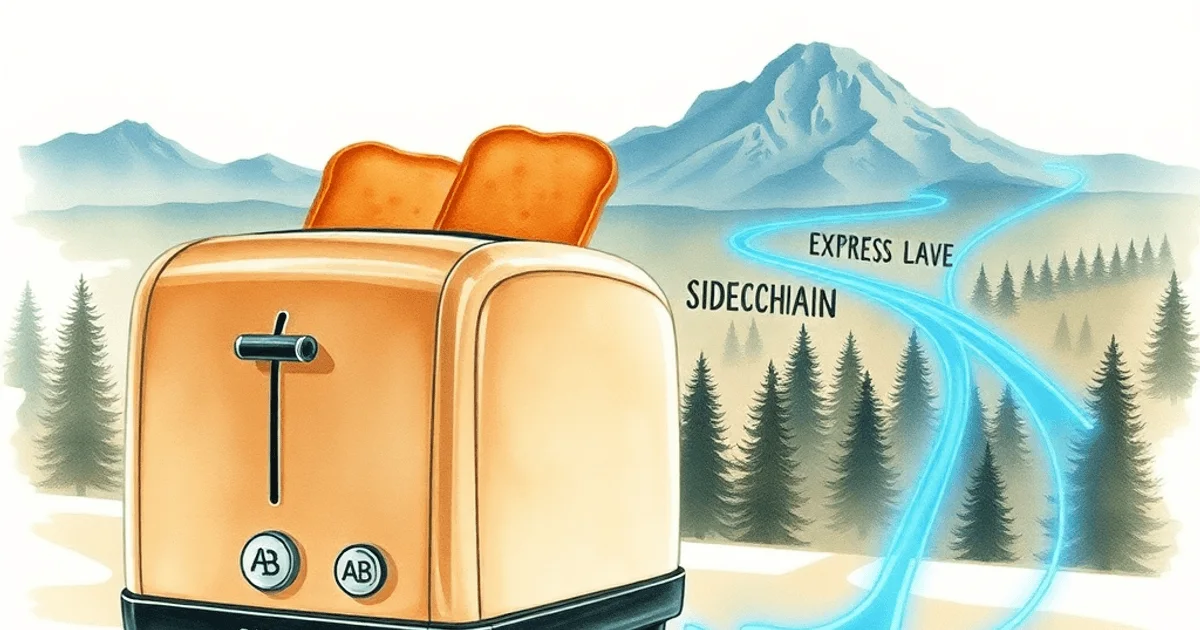
Some projects solve this with "sidechains"—specialized networks just for device data. Think of these as express lanes on the highway. Your toaster's data zooms through this sidechain, gets processed quickly, and only sends important summaries back to the main blockchain. This keeps the main network running smoothly while handling massive device traffic.
How Different Blockchains Chat Like Neighbors
Here's another headache: Your smart home might use one blockchain, while your bank uses another. They speak different "languages." Cross-chain technology fixes this like a universal translator app. It securely passes data between blockchains, so your solar panels could automatically sell excess energy to neighbors on a different network.
This matters because:
- No more data silos: Your medical device could share records with hospitals securely
- Real-world trust: Prove you recycled plastic to get rewards instantly
- Fewer middlemen: Cut fees from companies that currently control your data
Tokens: The Digital Gasoline Keeping Things Running
You'll hear about "tokens" in these systems. Don't confuse them with Bitcoin investments. These tokens are like digital gasoline—they power the network. When your smart lock verifies your identity on the blockchain, you "pay" a tiny token amount for that service, just like paying for electricity. The token:
- Covers data processing costs
- Rewards people who maintain the network
- Isn't meant as an investment (it's utility, not speculation)
Key Takeaways
- IoT sidechains = Dedicated data highways for devices (prevents main network traffic jams)
- Cross-chain bridges = Universal translators between blockchains (lets your devices work everywhere)
- Tokens as fuel = Pay-as-you-go network currency (not investment assets)
- Real-world impact = More secure data sharing for everyday services
What Does This Mean for Regular People?
Soon, you might prove your carbon footprint to get green loans, or have your EV charger automatically pay for electricity using blockchain. These systems could make transactions more transparent and cut unnecessary fees. But remember—this tech is still early. Widespread use is likely years away, and privacy protections must come first. For now, just know your smart devices are getting ready for a more connected future.
— Editorial Team









