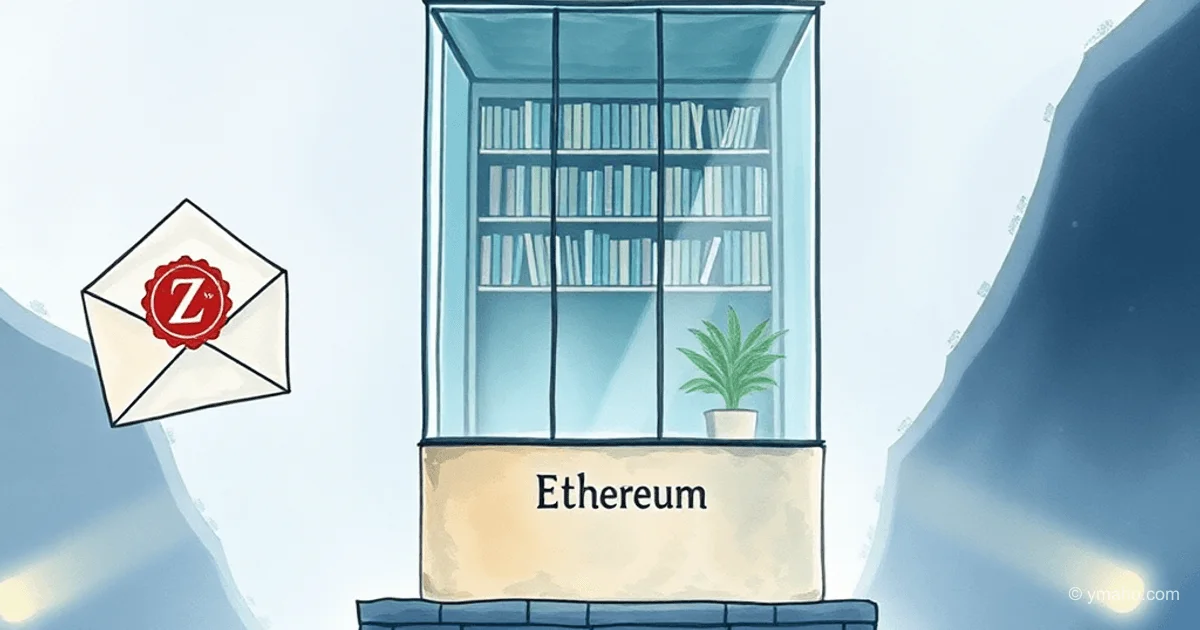
Aztec, Zcash, and Tornado Cash: How Blockchain Privacy Really Works
Imagine sending money without anyone knowing who you sent it to—or even how much you sent—but still proving it was legitimate. That’s the promise of blockchain privacy tools like Aztec, Zcash, and Tornado Cash. As more people use crypto for everyday finance, hiding sensitive details while keeping systems trustworthy has become essential.
Why Privacy Matters on a Public Ledger
Most blockchains—like Bitcoin or Ethereum—are completely transparent. Every transaction is recorded forever, visible to anyone with an internet connection. That’s great for verifying honesty, but terrible if you don’t want your salary, rent payments, or business deals broadcast online.
Traditional banks keep your data private by default. Crypto needs similar protections—but without trusting a central company. Privacy tools solve this by using math (not middlemen) to hide details while still letting the network confirm everything’s legit.
Three Different Paths to Privacy
Not all privacy tools work the same way. Think of them like different kinds of envelopes:
- Zcash is like a sealed letter sent through its own private postal system—it was built from scratch just for confidential mail.
- Tornado Cash is like dropping cash into a shared mailbox, then someone else takes out the same amount elsewhere. No direct link connects sender and receiver.
- Aztec is more like a secure, private room built inside a public library (Ethereum). You can do complex tasks—like trading or voting—without anyone outside seeing what you’re doing.
Each approach reflects a different philosophy about where and how privacy should live in the crypto world.
What They Can (and Can’t) Do
Here’s a quick breakdown of their real-world capabilities:
- Zcash: Best for simple, private payments. You can choose to send “shielded” transactions that hide sender, receiver, and amount. But it doesn’t support apps or smart contracts well.
- Tornado Cash: Only mixes funds to break transaction trails. It’s useful for basic anonymity but can’t handle DeFi, lending, or anything requiring logic.
- Aztec: Built as a Layer 2 on Ethereum, it lets developers create fully private apps—like confidential lending protocols or identity systems—while still settling securely on Ethereum.
All three rely on zero-knowledge proofs, a type of math that lets you prove something is true without revealing the underlying data. For example: “Yes, I have enough money to send—trust me, here’s the proof—but you don’t need to see my balance.”
The Regulatory Tightrope
Privacy tools walk a fine line. Complete anonymity can attract bad actors, which is why regulators have cracked down—especially on Tornado Cash, which lacks any built-in way to share info if legally required.
Zcash offers optional transparency, but most users stick to private mode. Aztec, however, includes selective disclosure: you can keep things private by default but reveal specific details (like tax info) when needed, using cryptographic proofs. This makes it more compatible with banks, auditors, and laws.
Where Privacy Is Headed
The future isn’t just about hiding transactions—it’s about building entire applications that respect user confidentiality by design. Early tools like Zcash focused on payments. Then came mixers like Tornado Cash for Ethereum users. Now, platforms like Aztec aim to make privacy a standard feature, not an add-on.
This shift mirrors how the internet evolved: from open forums to encrypted messaging and secure logins. Privacy isn’t secrecy—it’s control over your own data.
Key takeaways
- Blockchain privacy protects personal and financial data without sacrificing security.
- Zcash is a standalone privacy coin; Tornado Cash is a basic mixer; Aztec enables private apps.
- All use zero-knowledge proofs—but Aztec extends them to complex computations.
- Regulatory pressure favors tools that allow selective disclosure (like Aztec) over total anonymity.
- The next wave of Web3 will likely treat privacy as infrastructure, not an optional extra.
What does this mean for regular people?
If you use crypto for savings, shopping, or investing, privacy tools could soon let you interact with DeFi or NFTs without exposing your entire financial history. That means less risk of scams, fewer targeted attacks, and more control over your digital life. But remember: privacy tech is still evolving, and legal rules vary by country—so always check local guidelines before using these tools.
— Editorial Team









