How Blockchain Tokens Power Real Networks: Gas, Staking, and Governance Explained
You've heard about blockchain tokens, but what do they actually do? They're not just digital cash—they're the hidden gears keeping digital networks running smoothly. Understanding these mechanics helps you see why this technology affects everything from sending money to using apps, even if you're not buying tokens yourself.
The Invisible Engine Behind Your Digital Life
Think of blockchain tokens like the electricity powering your home. You don't see it, but without it, nothing works. Tokens perform three essential jobs that most people never notice—but they shape your experience. Let's break them down using everyday comparisons anyone can grasp.
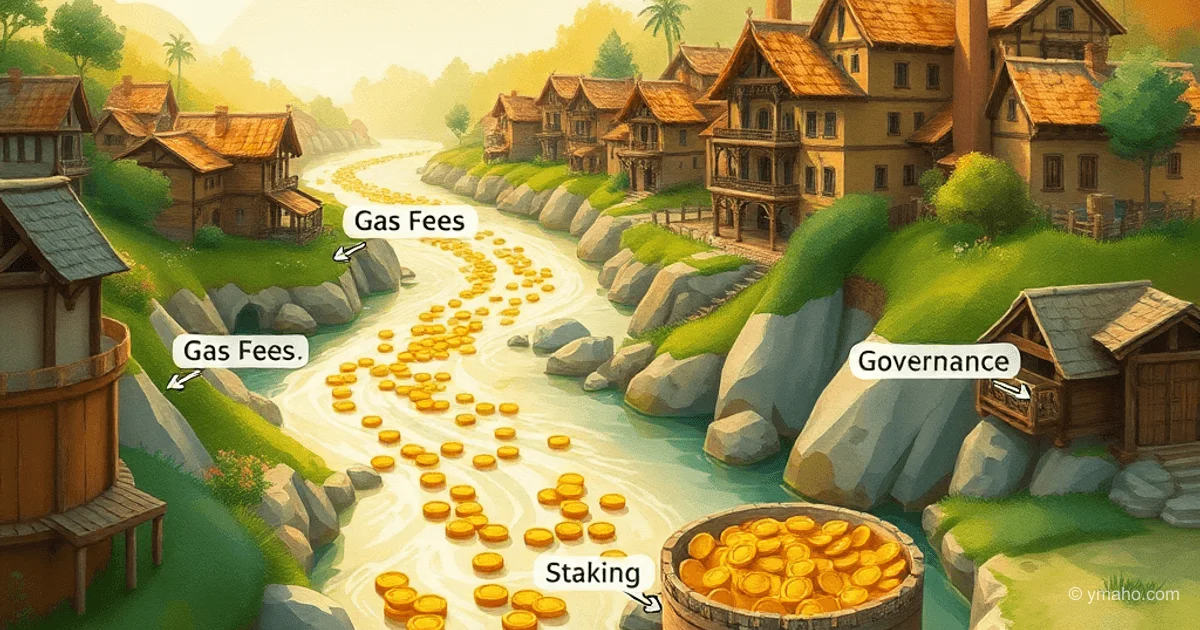
First: gas fees. When you send a payment or message on a blockchain, it requires computing power—just like running your dishwasher uses electricity. You pay a small fee in the network's token to cover this "digital electricity." More complex actions (like transferring property records) cost more "gas," similar to how baking a cake uses more power than boiling water. This prevents spam and keeps networks responsive.
Second: staking. Imagine putting cash in a security deposit for an apartment. Validators (the computers running the network) lock up tokens as collateral. If they verify transactions honestly, they earn rewards—like getting your deposit back plus interest. But if they cheat, they lose some tokens ("slashing"). This turns network security into an economic game where honesty literally pays.
Third: governance. Token holders vote on upgrades like neighbors deciding community rules. More tokens mean more voting power, but the goal is collective decision-making. It's how decentralized networks avoid being controlled by a single company—no CEO unilaterally changes the rules.
Why Token Design Feels Like Magic (But Isn't)
Tokens aren't created randomly. Their economic design—called tokenomics—affects stability and fairness. Take a token like SOON (used in modular blockchains): it started with 1 billion tokens total. Each year, about 3% new tokens are created (inflation) to reward validators and developers. But some tokens get permanently removed ("burned"), like taking slices out of a pie. For SOON, 30 million tokens have been burned so far.
This balance matters because:
- Too much inflation = tokens lose value (like printing too much money)
- Too many burns = scarcity drives up costs
- Smart networks find a middle ground
The initial token distribution is equally crucial. Here's how SOON's "pie" was divided:
- 51% to the community: Earned through activities like using apps (like free slices for helping bake the pie)
- 25% for ecosystem growth: Funding developers (reserving flour for future bakers)
- 8% for market launch: Ensuring smooth trading (bakery counter reserves)
- 6% for operations: Covering day-to-day costs (oven maintenance)
- 10% for the team: Rewarding builders (head chef's share)
This community-heavy split aims to spread ownership widely—a key to true decentralization.
What Good Token Design Looks Like in Practice
Well-designed tokens create networks that feel effortless to use. You've probably experienced the opposite: payment apps with hidden fees, social platforms changing rules overnight, or services that crash during peak times. Token mechanics prevent these issues:
- Gas fee adjustments automatically prevent congestion (like toll roads getting pricier during rush hour to manage traffic)
- Staking rewards incentivize reliable validators (similar to how airlines reward frequent flyers to ensure loyalty)
- Governance votes let users shape platform evolution (like a town hall deciding park improvements)
The best systems make these processes invisible. You just notice faster transactions, fairer rules, and services that rarely break. Poorly designed tokens, however, lead to high fees, slow speeds, or even collapse—like a power grid failing during a storm.
Key Takeaways
- Tokens are multitaskers: They pay for transactions, secure networks, and enable voting—all in one digital asset
- Economics drive behavior: Inflation rates and burns create incentives that shape network health
- Distribution equals power: Who gets tokens early determines long-term control
- Community focus wins: Networks giving most tokens to users tend to be more resilient
- Good design feels invisible: You benefit through seamless experiences, not token prices
What does this mean for regular people? You don't need to own tokens to gain from well-built networks—they make everyday apps faster, fairer, and more reliable. But understanding these basics helps you spot robust systems versus hype. Ultimately, this isn't about speculation; it's about building digital infrastructure that serves everyone, much like public roads benefit all drivers regardless of car ownership.
— Editorial Team









