Blue Origin Tests Reused Rocket in Step Toward Cheaper, Greener Space Travel
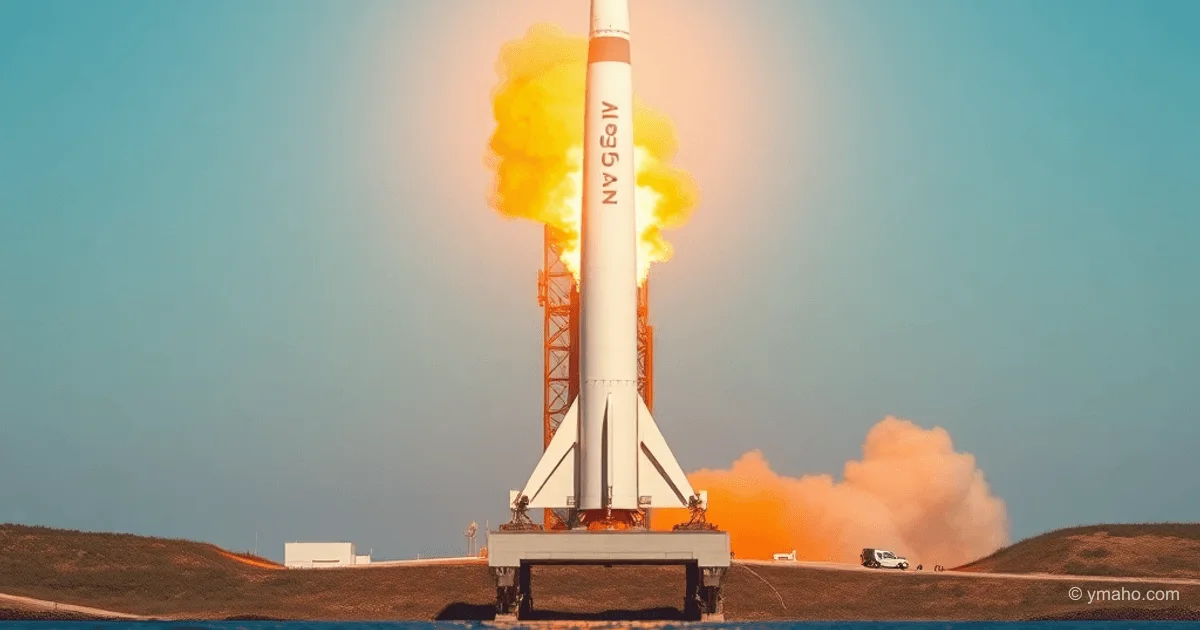
Blue Origin just fired up a used New Glenn rocket on the launchpad — not to blast off, but to prove it’s ready to fly again. If all goes as planned this Sunday, it will be the first time this massive rocket reuses its main booster, marking a big leap toward making spaceflight more like commercial aviation: reliable, repeatable, and far less wasteful.
Why Reusing Rockets Changes Everything
Imagine if every time you took a flight from New York to London, the airplane was thrown away after landing. That’s how rockets worked for decades — built once, used once, then discarded into the ocean or left to burn up in the atmosphere. It made space incredibly expensive and limited who could afford to go.
Now, companies like Blue Origin and SpaceX are changing that by designing rockets that land gently after launch and can be refueled, checked, and flown again — sometimes dozens of times. Think of it like swapping out worn tires and oil on a car instead of buying a whole new one each trip.
New Glenn’s first stage is built to fly at least 25 times. That kind of reuse slashes costs dramatically and reduces the environmental footprint of launching satellites or future space missions.
What Happened This Week?
On April 16, 2026, Blue Origin conducted a “static fire” test at Cape Canaveral. The rocket stayed bolted to the ground while all seven engines on its first stage roared to life for 19 seconds. This isn’t just a show — it’s a critical safety check to ensure the refurbished engines and systems work together perfectly before liftoff.
This particular booster already flew once: it launched NASA’s ESCAPADE Mars mission in November 2025 and landed safely on a drone ship named “Jacklyn” in the Atlantic Ocean. For its second flight, Blue Origin replaced all seven engines (saving the originals for future use) and added upgrades like improved heat shielding on one engine nozzle.
The Mission: A Giant Satellite for Direct Phone Calls from Space
The upcoming NG-3 mission, scheduled for April 19, will carry a Block 2 BlueBird satellite built by AST SpaceMobile. This isn’t your average satellite:
- It’s one of the largest ever launched, with an antenna spanning 2,400 square feet — about the size of a tennis court.
- Unlike traditional satellites that need special ground stations or apps, BlueBird connects directly to regular smartphones, turning them into satellite phones without extra hardware.
- Only one Block 2 has reached orbit so far (launched on an Indian rocket in December 2025); this will be the second.
What Does This Mean for Regular People?
Cheaper, reusable rockets mean more satellites can reach orbit faster and at lower cost. That could lead to better global internet coverage, especially in remote areas where cell towers don’t exist. It also opens the door for more scientific missions, climate monitoring, and even future space tourism.
Plus, reusing rockets cuts down on space junk and manufacturing waste — a small but meaningful step toward cleaner access to space.
Key Takeaways
- Blue Origin successfully tested a reused New Glenn booster, paving the way for its first reflight on April 19, 2026.
- Each New Glenn first stage is designed for at least 25 flights, drastically reducing launch costs over time.
- The NG-3 mission will deploy a massive direct-to-cellphone satellite that works with ordinary smartphones.
- Rocket reuse is transforming spaceflight from a one-time spectacle into a sustainable, repeatable service.
- This progress benefits everyday people through better connectivity, lower costs for space-based services, and reduced environmental impact.
— Editorial Team









