Blushing Is In: Blush Becomes the Year's Top Beauty Arsenal
"Blush blindness" is a thing of the past, and blush sales have surged 34% (according to Ipsy): the "kissed cheeks" trend is fueled by new blurring textures and the influence of Sabrina Carpenter's aesthetic.
The trend for "kissed cheeks," which Ipsy estimates has driven a 34% sales increase, is usually presented as a return of romance and infantile aesthetics in makeup. However, as an insider working with R&D labs and texture suppliers, I see a more pragmatic conspiracy. This isn't a story about color, but about the total victory of "blurred texture" and a strategic market takeover by beauty giants who managed to pivot from dry pigments to "wet chemistry" in time. Sabrina Carpenter here is not the root cause, but a conveniently timed media asset that gave the technological shift a human face.
The Core: What's Really Happening
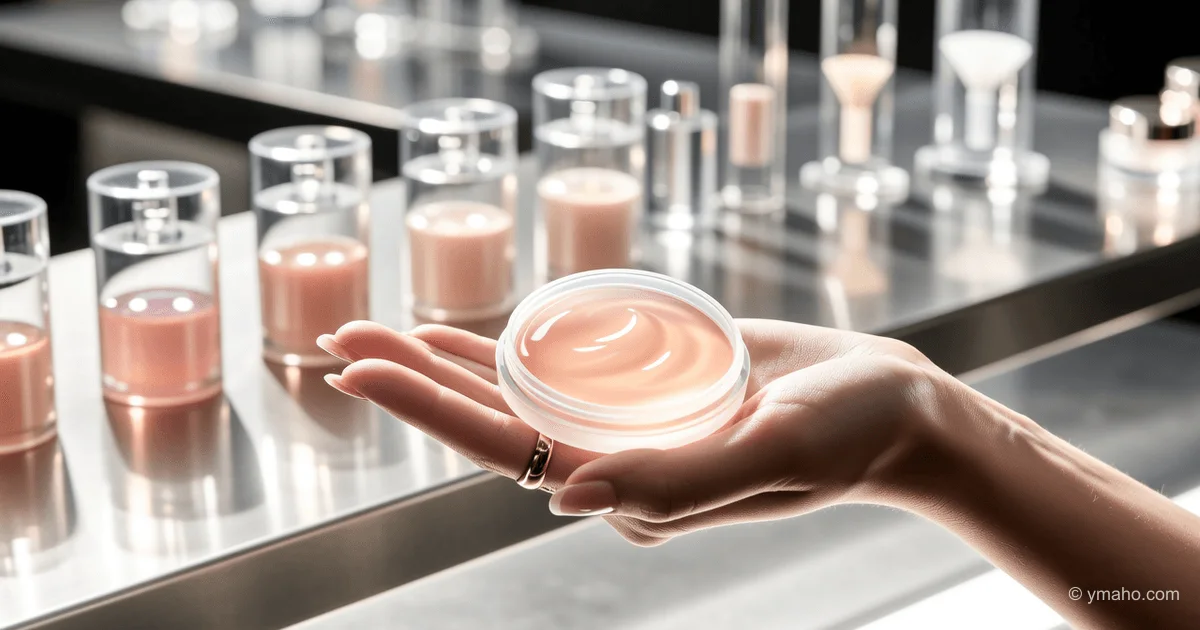
While everyone discusses abandoning "Blush Blindness" and the "kissed cheeks" (Sun-Kissed Blush) aesthetic, what we're actually witnessing is a forced update of makeup bags through a change in product physics. Traditional powder blushes, which dominated for decades, required only one thing from mass-market brands: shimmer stability. The new "blurring" textures—Watercolour Blush, Blurred Blush, Dewy Blush—demand a completely different chemical base: gels, serums, and cream-powder hybrids.
This isn't an evolution of makeup; it's an evolution of formula. Manufacturers are actively introducing formulas with "gel pigments" and blurring technology, achieving a "soft matte" effect without dryness. Vogue directly calls this finish "Blurred Makeup," recognizing it as the year's top finish. And blurriness is achieved not through blending skill, but through the use of gel-wrapped pigments, which require expensive emulsifiers and stabilizers.
The 34% growth isn't just about blush; it's about one product now being sold in five different texture versions, forcing consumers to buy them all.
Timeline and Context
Events unfolded rapidly from the start of the year. In January, InStyle called Carpenter's appearance at the 2026 Grammys with muted blush a "surprise" and a shift toward minimalism. In March, Harper's Bazaar noted the revival of "Blush First" at Nina Ricci and Cecilie Bahnsen's fall-winter 2026 shows. In April, Ipsy documented a 34% sales spike, and Cosmopolitan published a guide with five technologically distinct trends.
May 11, 2026—the moment Ipsy's data became the basis for corporate purchasing. Retailers placed orders for the fall-winter season with instructions like: "Don't bring classic powder; bring cushions, tints, and serums for cheeks." This is an administrative command that changes displays at Sephora and Ulta.
Concurrently, Sensient Beauty published a technical analysis stating that the trend toward a "velvety finish" in blush is closely tied to innovative dry oils and hydrogels. This is important: the industry is shifting to "color-with-care," where blush must not only color but also moisturize. In 2026, you can't sell just color to consumers—they need skincare benefits.
Who Wins and Who Loses
Winners:
- Chemical conglomerates. Suppliers of emulsifiers and gelling agents—Sensient, Dow, BASF. Their margins on "smart" textures are 4.5 times higher than on regular pigments. Every tube of Dewy Blush is a cash register ring for them.
- Armani Beauty and the luxury segment. The case of Sabrina Carpenter's makeup artist using Armani Luminous Silk Cheek Tint is priceless. When a product is called a "blush kiss" backstage at Coachella, it cements luxury's right to set prices. One such tint costs around $38, while its production cost is no more than $4. The difference is the "texture premium."
- Korean and Japanese brands. Vogue acknowledges that the entire blur trend originates from K-beauty. Brands like Fwee and Rom&nd, with their pudding textures, suddenly find themselves at the forefront, and their stocks on cosmetic exchanges rise without spending on Western marketing.
Losers:
- Manufacturers of classic powder blushes. The "pressed powder in a compact" format becomes a symbol of grandma makeup. Brands tied to talc and dry pressing lose shelf space. Estimates suggest the dry texture segment in the cheek category shrank by about 12-15% in the first half of 2026.
- Consumers not ready for complex skincare. Blush is no longer "apply and forget." It's now a chemical layer on the skin. For those with oily or problematic skin, layering cream and gel textures without proper powder setting (which is going out of style) leads to clogged pores and acne.
- Old-school makeup artists. Their skill of perfect brush blending is devalued. The "blur factor" now depends on the formula, not the artist's hand.
What the Media Isn't Saying
The most unpleasant secret that Vogue, Cosmopolitan, and InStyle overlook is that "Blush Blindness" disappeared not because of aesthetics, but due to a radical change in fixation formulas. The fact is that creamy and liquid "blurred" blushes adhere much worse to the skin than dry ones. To compensate and prevent pilling, manufacturers are forced to add film formers and silicone elastomers at concentrations of 5-7%.
As a result, today's "breathable" Watercolour Blush actually creates an occlusive, breathable film on the cheeks that must be removed with an oil cleanser at night. The skin doesn't breathe. Moreover, Sabrina Carpenter's makeup artist let slip an important detail: to achieve the "modern nostalgia" effect and stage longevity, she uses "a lot of product on the hand," ready for instant touch-ups. This means that for the longevity of the European aesthetic, constant layering and refreshing are required—a marketing ploy to make consumers use more product.
Second insight: Ipsy's $2.1 million sales figure is misleading. These are subscription sales, not retail. Ipsy shapes trends not because they are organic, but because the service itself includes mixes of minis with new textures in boxes. Consumers receive 5 different liquid blushes not because they want them, but because they were placed in a beauty box for $14. The 34% growth is growth in controlled discovery, not free demand.
Forecast: Next 30 Days and 90 Days
Next 30 days (until June 10, 2026):
At summer conferences, a wave of blush presentations with SPF will begin. SPF Blush technology is already ready and demonstrated in formats like SPF 35 PA+++. Brands will release "protective blushes" for the vacation season, raising the average price by $12 simply for adding nano-zinc oxide. This will be positioned as multifunctionality, but in reality, it will be a reason to relaunch the entire summer collection.
90 days (August 2026):
By the end of summer, the market will face the first lawsuits from dermatologists. The cumulative effect of daily use of film-forming blur formulas combined with SPF agents and sweat will lead to widespread perioral dermatitis. Consumers who replaced all their makeup with cream tints will encounter "glass occlusion syndrome." In response, a trend for "cheek detox" and a return to talc will emerge, but repackaged as "clean powder detox." The industry is preparing new powders, the irony being that they will cost twice as much as old ones because they are now "therapeutic and preventive matte products."
— Editorial Team









