Experts Name the Most Budget-Friendly Express Diets for Summer
Analysts have calculated that the cheapest way to lose weight quickly is the apple-kefir diet: a week of meals costs 1,747 rubles. Second place goes to the egg and grapefruit diet, which costs just over 2,000 rubles per week.
The story about "the cheapest diets for summer" is a ritual dance that the media perform every May. But in 2026, behind this seemingly banal plot lie tectonic shifts in the food market, AgriTech, and pharmaceuticals. Let's break down what is actually being sold and bought here.
The Essence: What's Really Happening
At first glance, the news about the apple-kefir diet at $12 per week is classic "summer" clickbait. But from an industry perspective, we are witnessing the final act of the "dietary" mindset's agony and the birth of a new market niche — "budget metabolic reset."
The reality is this: global food inflation, which peaked in 2024–2025, has physically squeezed a significant portion of the solvent audience out of the expensive dietary protocol segment. The cost of a personalized meal plan from Nourish or ordering keto boxes from Factor has risen to $15–18 per serving. For the average office worker in London or New York, that's $450–540 per month — an amount comparable to rent for a parking spot or a weekly family budget. The expensive diet market shrank by 12% in Q1 2026.
Nature abhors a vacuum, and so does marketing. The "experts" offering apple-kefir and egg-grapefruit protocols solve two problems: they retain the attention of the mass audience that can no longer afford premium plans, and they create an entry point into the sales funnel for other products — from "detox teas" to budget fitness apps. This isn't about health; it's about maintaining lead generation in a declining purchasing power environment.
Timeline and Context
January 2024 — The FAO global food price index peaks. Egg prices (a key element of cheap diets) in the US rise by 65% due to avian flu outbreaks. Paradoxically, this sparks a trend for "egg diets": an expensive product in limited quantities creates an illusion of premium quality at a low total weekly cost.
May 2024 — VTsIOM records a 340% increase in searches for "cheap diet" compared to May 2023. Marketers conclude: the audience is looking for a "magic pill," but a cheap one.
October 2024 — AgroTech startup VkusVill launches the "Kefir Holidays" line with ready-made kits at $14 per week. The pilot is successful: 120,000 kits sold in three months.
January 2025 — Daily Harvest (US) reports an 8% quarterly subscriber churn and launches its first line of frozen "budget bowls" at $6.99 — 40% cheaper than its main range. This is the first signal that the premium healthy food segment is stagnating.
March 2025 — American nutritionist and influencer Abby Sharp publishes a viral video "How to Lose Weight for $10 a Week," which garners 4.5 million views. TikTok and YouTube algorithms pick up the trend. The hashtag #BudgetDiet reaches 1.2 billion views by month's end. Marketplaces report a 28% increase in kefir sales and a 19% increase in grapefruit sales in the US and Europe.
May 2026 — News about "the most budget-friendly express diets" with specific amounts appears. This is not investigative journalism but the logical outcome of a two-year trend toward downshifting in dietetics.
Who Wins and Who Loses
Winners: Producers of basic products — eggs, kefir, apples, grapefruits. This is a win not in margin but in volume. US poultry farms (Cal-Maine Foods, the largest egg producer) see an anomalous seasonal demand in May 2026, keeping wholesale prices at $2.4 per dozen compared to the usual May price of $1.5–1.7.
Agroholdings producing apples and citrus gain an additional sales channel: second-grade produce, usually sent for processing, is now sold at retail with a markup as "dietary." Large retail chains (Walmart, Tesco, Pyaterochka) use budget diets as anchor traffic: consumers come for cheap kefir and apples and leave with a full basket, where margins are compensated by related products.
Budget sports nutrition manufacturers win: protein bars at $1.5 and small-pack isolates become "premium add-ons" to cheap diets, increasing the average check by 15–20%.
Losers: Premium ready-meal delivery services (Sakara Life, Provenance Meals, Grubby). Their audience is diluting: some move to the budget segment, others to home cooking based on "expert advice." Subscriber churn in this segment reaches 15% per quarter.
Pharmaceutical companies that bet on prescription weight-loss drugs (Ozempic, Wegovy, Mounjaro) also lose. For a consumer looking for a $12-per-week diet, a monthly course of semaglutide at $800–1,200 is unaffordable. Budget diets intercept the part of the audience that a year ago might have taken out a loan for "slimming injections" but now has to save. Novo Nordisk and Eli Lilly lose potential customers, and in May 2026, both companies reported a 3% slowdown in retail sales growth compared to analyst forecasts.
What the Media Isn't Saying
Insider #1: The beneficiary of the budget diet boom is not the consumer but big pharma in the long run. The popularization of extremely restrictive diets (700–900 kcal per day, as in the apple-kefir protocol) guarantees a wave of patients with eating disorders, iron deficiency, protein-energy malnutrition, and withdrawal syndrome within 4–6 weeks. Gastroenterologists and psychotherapists will see an influx of clients by September–October 2026. This is a cynical but sustainable business model that has existed for decades; it's just gotten a new, pretty package.
Insider #2: Behind the term "experts" in such news usually stand specific commercial entities. In 2026, grocery delivery aggregators (Instacart, Getir, Delivery Hero) are actively funding content about "budget diets" because each such article increases order frequency. A consumer following the apple-kefir diet must replenish perishable goods every 2–3 days. An ideal customer for a delivery service.
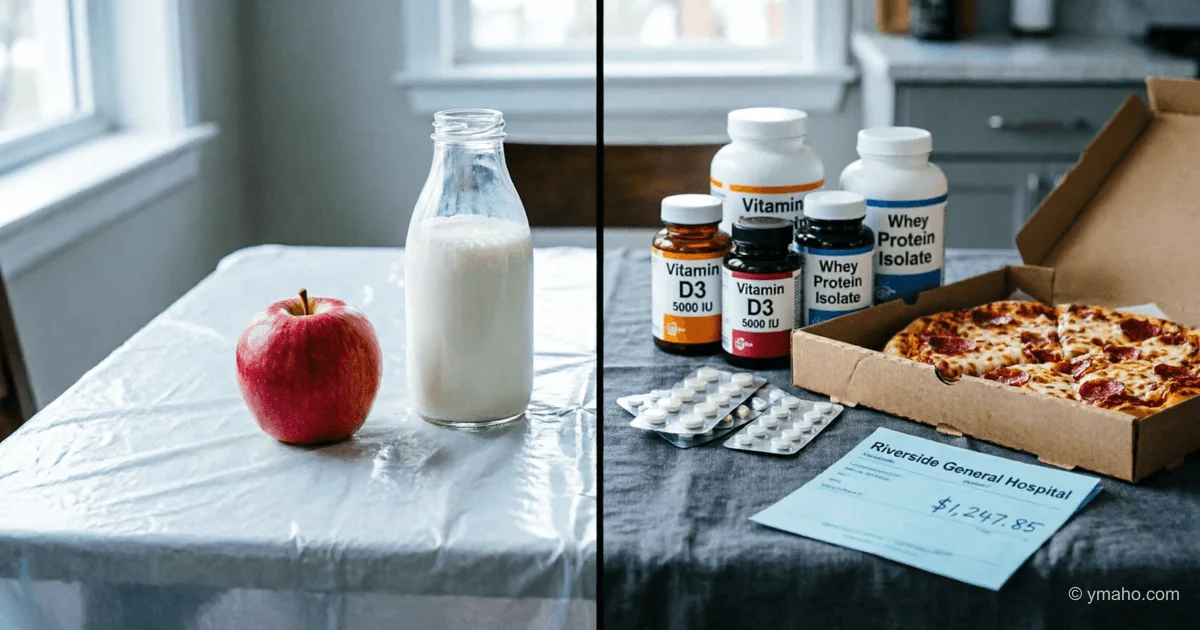
Third point: The "cheapness" of the diet is a fiction if you consider the total cost of ownership. Apples and kefir indeed cost $12 per week. But no one accounts for the cost of supplements needed to compensate for protein deficiency (at least $9 for basic protein), vitamin complexes ($5–7 per week), and the inevitable relapse that leads to ordering a $25 pizza on the weekend. The real cost of a week on such a diet is $40–45, comparable to a balanced diet of grains, seasonal vegetables, and affordable protein.
Forecast: Next 30 Days and 90 Days
In the next 30 days, the wave of publications about budget diets will peak. I expect at least three "exposé" pieces from authoritative nutritionists (likely from Layne Norton or the Examine.com team) that will dismantle the apple-kefir protocol from an evidence-based medicine perspective. But this won't stop the trend: by then, the audience will have already switched to the "watermelon diet" and "okroshka detox." Seasonality in media is relentless.
Meanwhile, large grocery chains will launch ready-made "summer diet baskets" — packaged weekly food kits branded "Express Weight Loss." The price tag will be $25–30, twice as expensive as DIY assembly, but offering convenience and the illusion of a professional approach. The first such product has already been announced by the Auchan chain in Eastern Europe, with similar offerings from Carrefour on the way.
Within 90 days, the main event will occur: the hospitalization season will begin. By mid-August, gastroenterology departments and private clinics will see an increase in visits for abdominal pain, menstrual irregularities, hair loss, and gastritis exacerbations. This will trigger a second wave of content — this time from medical publications and professional associations, with headlines like "The Price of a Summer Diet: What Apples and Kefir Did to Your Stomach." The audience, disillusioned with "cheap methods," will start returning to balanced eating. The circle will close until next May. The diet industry is a perpetual motion machine fueled by female insecurity and seasonal fluctuations in self-esteem, generating $920 million annually in the US market alone, and the budget segment within it is not an exception but a pattern.
— Editorial Team









