Build Together, Grow Together: How Memecoin Communities Actually Work
Ever shared a meme that took off online? Now imagine if everyone who shared it also helped build a whole new community around it — that's the 'Build N Build' idea. Why should you care? Because this model is turning viral jokes into lasting digital neighborhoods where anyone can contribute, and that shift could reshape how we connect online.
What Exactly is 'Build N Build'?
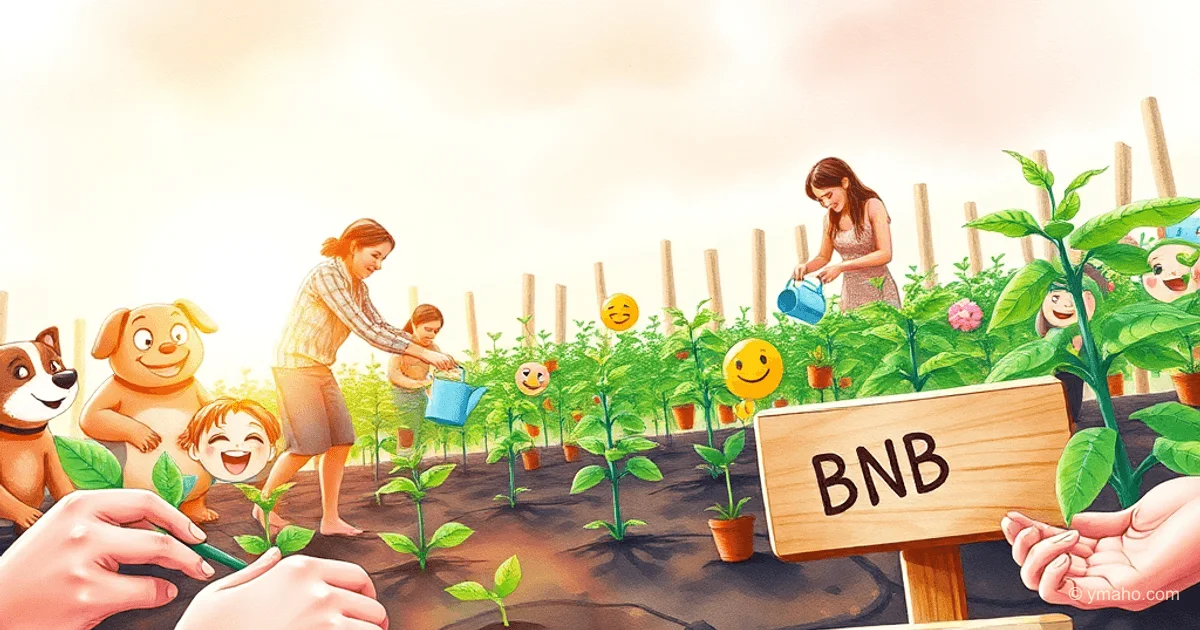
Think of a community garden. Instead of one person planting all the seeds, everyone brings their own plants, tools, and ideas. That's 'Build N Build' for memecoins — a model where the community doesn't just buy tokens; they actively create the project's future.
A memecoin is a cryptocurrency inspired by internet jokes or pop culture (like Dogecoin, based on a dog meme). Traditional memecoins often fade when the hype dies. But 'Build N Build' flips the script: from day one, users become builders. They make memes, design apps, or organize events — turning a simple token into a living ecosystem.
This isn't about quick profits. It's about shared ownership. Anyone can jump in without special permission, like adding a new section to that community garden. The more people contribute, the more the project grows roots.
How Does It Actually Work?
Here's the magic: participation becomes the engine. Early on, the community forms around a fun idea or meme. Then, naturally, some members start creating. One person might make a meme video, another builds a simple tool to track the coin's activity, and someone else organizes a virtual meetup.
This open collaboration has three key ingredients:
- No gatekeepers: You don't need approval to contribute. Just share your meme or tool, and if the community likes it, it becomes part of the project.
- Diverse roles: Not everyone codes. Some write stories, others draw art, and many just share content — all valued equally.
- Long-term focus: Instead of chasing quick gains, builders aim for sustainability, like adding compost to that garden so it thrives for years.
Social media platforms like Twitter and Discord act as the town square where these interactions happen. Memes spread ideas faster than ads ever could, and shared jokes create instant camaraderie — think of it as the community's secret handshake.
The Three Stages of Growth
Every 'Build N Build' project evolves through predictable phases:
- The Spark: It starts with a viral meme or slogan that grabs attention. Example: a funny image that resonates with people online. The goal here isn't money — it's building a tribe that feels connected.
- The Build-Out: As more people join, natural leaders emerge. Some create wallets to store the coin, others design games using it, and meme artists keep the culture fresh. This turns the coin from a joke into a functional ecosystem.
- The Maturity: With steady contributions, the project gains stability. New tools and partnerships emerge organically, like a neighborhood adding a library or cafe because residents wanted it. The coin becomes part of daily digital life.
Crucially, this growth isn't forced by a company. It's organic — driven by real people solving real problems they care about.
Why It's Different From Old-School Memecoins
Traditional memecoins are like flash mobs: exciting but fleeting. Someone creates a coin, pumps the hype, and when attention fades, it collapses. 'Build N Build' is more like starting a neighborhood association. The initial spark might be a meme, but the lasting value comes from what the community builds together.
For instance, while old memecoins relied on celebrity tweets for attention, 'Build N Build' projects thrive on user-generated apps and events. This creates resilience — when one meme fades, builders create new ones, keeping the community alive.
Key Takeaways
- Community is the product: The value isn't just in the coin, but in the shared culture and tools built around it.
- Everyone's a contributor: You don't need tech skills — sharing memes or organizing chats counts as building.
- Slow and steady wins: Projects focusing on long-term engagement avoid the boom-bust cycle of traditional memecoins.
What Does This Mean for Regular People?
If you've ever felt like the internet is just a place to consume content, this model hands you the tools to create it. These communities turn passive scrollers into active participants, making online spaces feel more human. And as more projects adopt this approach, the digital world could become less about viral hits and more about lasting connections — something we all benefit from.
— Editorial Team









