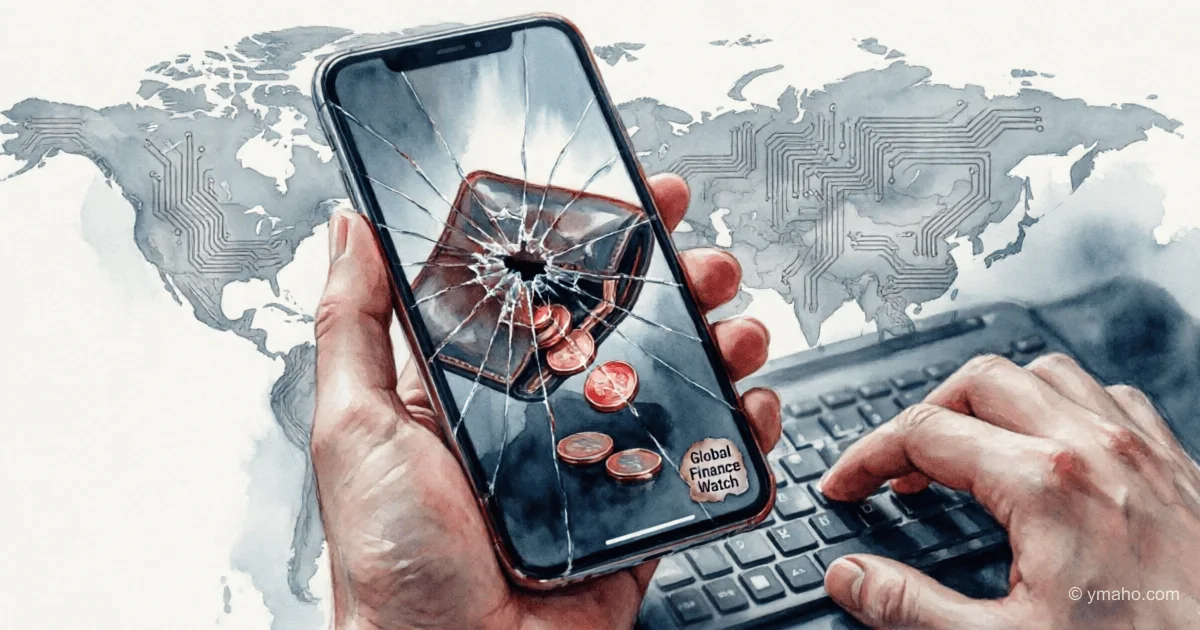
Scammers are getting bolder: how a Ukraine trend threatens your savings
Imagine leaving your house keys in the mailbox — that’s how easily scammers steal your banking details through calls and messages. In Ukraine, losses from card fraud rose by a quarter over one year, but it’s not about the country: the average loss per incident jumped 30%, and this trend is already hitting wallets worldwide.
Why the numbers mislead
At first glance, the news seems reassuring: the number of fraud cases in Ukraine dropped by 5%. But that’s like thieves breaking into doors less often — yet each time stealing gold instead of old furniture. Total losses reached 1.4 billion hryvnias (about $35 million) because the average theft amount per operation rose from 4,200 to 5,500 hryvnias. It’s as if small shoplifts suddenly turned into armored car heists.
What’s especially alarming is that 90% of the damage comes from social engineering — when people hand over their data themselves. Scammers call pretending to be from the bank, asking you to "confirm a transaction" by pressing buttons on your phone or sharing an SMS code. It’s like handing your safe’s password to the first stranger who says your name.
Online vs real world: where’s the greater risk?
83% of fraudulent transactions happen online, but their share of total damage has dropped from 93% to 91%. That means physical attacks (via ATMs or terminals) are now generating more profit. The average online loss increased by 27% — up to 6,000 hryvnias per incident. Picture this: thieves used to steal one apple at a time, now they’re taking full baskets.
Experts note a worrying shift: scammers have stopped skimming. As soon as people learned to spot basic scams, fraudsters began targeting larger transactions. It’s like viruses mutating to bypass immunity.
Key takeaways:
- A rising average loss matters more than a drop in incident count
- Social engineering is the main threat (9 out of 10 cases)
- Online attacks cause 9 out of 10 rubles in damage
- Physical attacks are becoming more profitable
- Scammers adapt faster than people learn to defend themselves
How this affects you
Even if you don’t live in Ukraine, these figures should be a red flag. Global payment systems (Visa, Mastercard) work the same everywhere. When fraudsters refine their tactics in one country, they quickly export them elsewhere. For example, the popular scam involving dialing *901# to transfer money has already appeared in Russia and Poland.
Banks are strengthening defenses, but 90% of scam success depends on us. Would you ever give your email password to a stranger? Treat your card the same way. A real bank will never ask for a confirmation code — it’s like asking you to photograph your apartment keys.
What does this mean for everyday people?
Your data is the most valuable cryptocurrency for scammers. Protection starts with one simple rule: never share codes or account details over the phone. Even if the call comes from a number that looks like a bank’s. Set spending limits on your card — it’s like auto insurance, limiting damage if an attack happens.
— Editorial Team









