How CoW Protocol Makes Crypto Swaps Cheaper and Safer (No Jargon!)
Ever feel like you're getting a raw deal when trading crypto? You're not alone. New systems like CoW Protocol are changing how trades happen behind the scenes to save you money and hassle — and it's as simple as swapping toys at a playground.
What's Wrong with Today's Crypto Swaps?
Most crypto swaps work like a crowded grocery store where prices change while you're checking out. When you trade on typical decentralized exchanges (DEXs), you're matched with a digital 'pool' of tokens. If you're buying a lot of something rare, the price jumps before your transaction finishes — that's slippage. Think of it like trying to buy the last concert ticket while someone else is also clicking 'buy'; you might pay way more than expected.
Worse, sneaky bots called MEV (maximal extractable value) miners can see your trade coming and jump ahead to buy low then sell high to you at a markup — like scalpers snatching tickets just to resell them. These issues make trading expensive and frustrating, especially for everyday users moving modest amounts.
The Playground Swap: CoW Protocol's Big Idea
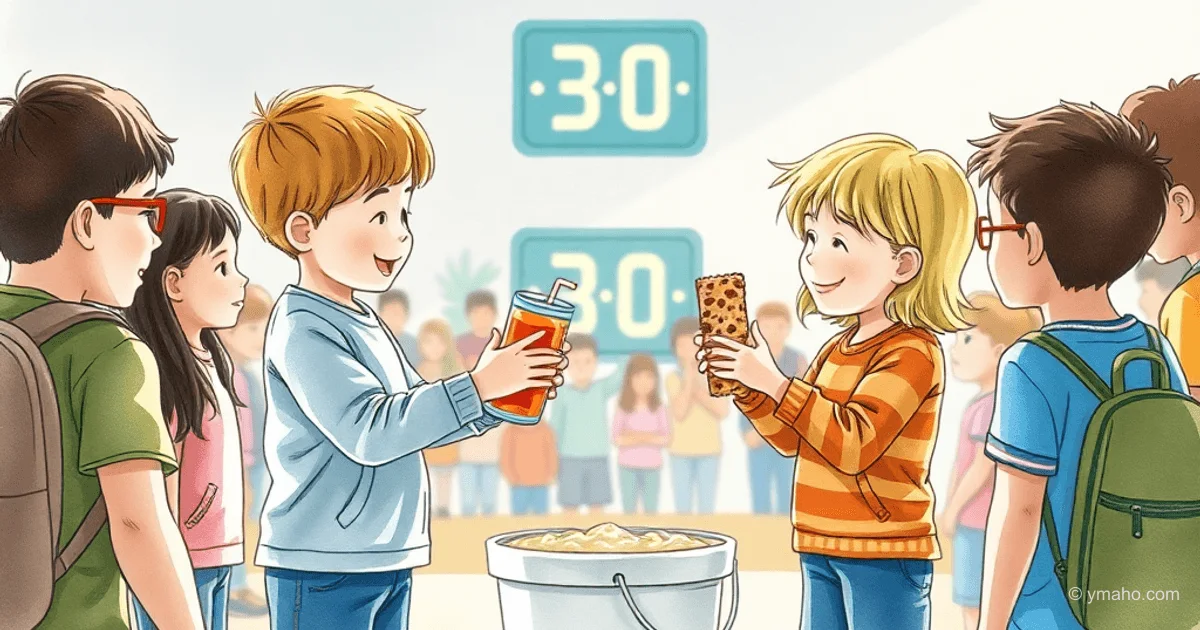
CoW Protocol fixes this by matching people who want to trade directly with each other. Imagine two kids at recess: one has a juice box and wants a granola bar, the other has a granola bar and wants a juice box. They swap directly without going to the lunch line. That's 'Coincidence of Wants' — the core of CoW.
No middleman means no extra fees from liquidity pools. Your trade executes at the exact price you see, because you're dealing straight with another person. For trades that can't be matched (like if no one wants exactly what you're offering), CoW uses a clever backup system.
How the Magic Happens: Batch Auctions and Solvers
When direct swaps aren't possible, CoW groups orders like a group-buying event. Every 30 seconds, it bundles all pending trades and asks 'Solvers' (independent experts) to find the best overall deal. Solvers compete to route your trade across multiple platforms — like comparing prices at 10 stores at once — then pick the cheapest path.
This batch approach stops bots from front-running your trade because all orders are processed simultaneously. It's like closing the concert venue doors before selling tickets: scalpers can't jump the line. The result? Lower fees, less slippage, and fairer prices — especially for larger trades.
The COW Token: Keeping the System Fair
The COW token isn't a 'get rich quick' scheme — it's the glue holding the system together. Token holders vote on upgrades (like deciding new playground rules), while Solvers earn tokens for finding good deals. This ensures the protocol evolves based on user needs, not corporate profits.
Crucially, you don't need COW tokens to trade. They exist solely to maintain the system's integrity, similar to how shareholders vote on company changes but don't affect your grocery shopping.
CoW vs. Traditional Swaps: Real Differences
- Execution speed: CoW trades take ~30 seconds (for batch processing) vs. instant swaps on traditional DEXs
- Slippage: Near-zero for matched trades vs. unpredictable jumps in pool-based systems
- MEV protection: Batches block front-running bots vs. constant vulnerability on standard DEXs
- Costs: Often 20-50% cheaper for medium/large trades due to optimized routing
Key Takeaways
- CoW Protocol matches traders directly like playground swaps, cutting middlemen
- Batch auctions group orders to find the cheapest routes and block predatory bots
- Works best for trades over $100 where slippage eats into your money
- COW tokens maintain the system but aren't required to use it
- Makes DeFi trading more like shopping at a fair-price store than a chaotic flea market
What does this mean for regular people? You'll pay less in hidden fees and get the price you expect when trading crypto. As more platforms adopt this model, everyday transactions — from swapping lunch money to buying digital art — could become noticeably cheaper. It won't make you rich, but it stops the system from quietly taking more than its share.
— Editorial Team









