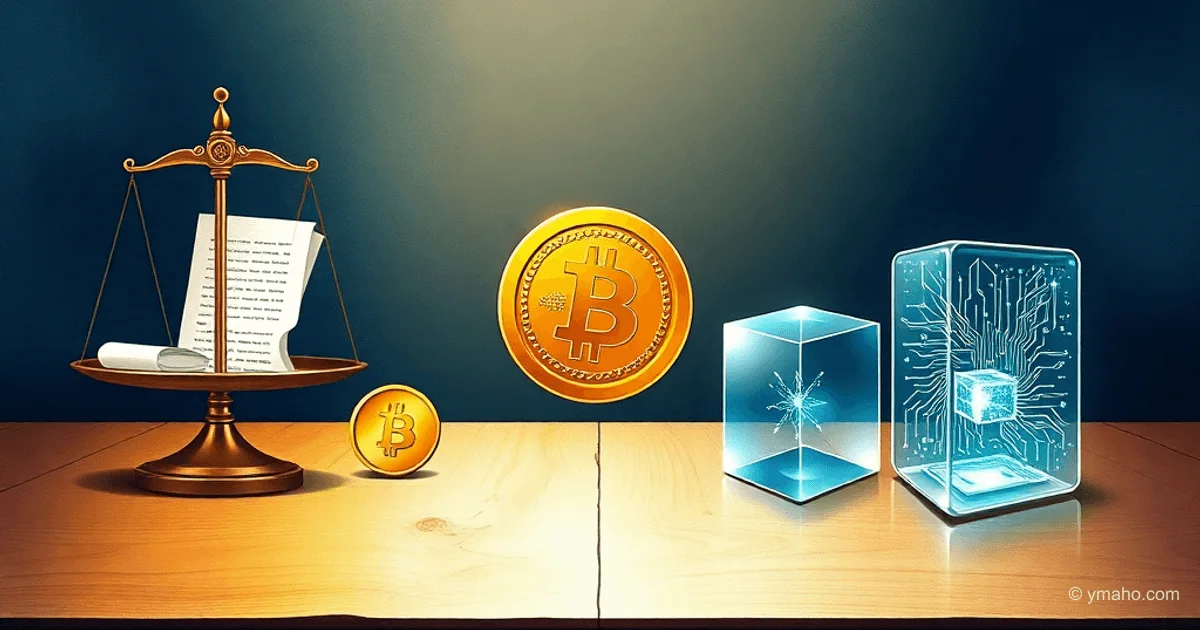
Why Crypto and Traditional Finance Are Merging Into One Dashboard
The line between buying cryptocurrency and trading traditional assets like stocks or gold is disappearing faster than most people realize. For everyday investors, this shift means managing money is becoming less about picking a single market and more about using one dashboard for everything.
Think of it like a modern supermarket. Years ago, you had to visit a bakery for bread, a butcher for meat, and a separate shop for spices. Today, you walk into one store and grab everything in a single trip. Financial platforms are doing the exact same thing. Instead of juggling separate apps for digital coins, foreign exchange, and commodities, traders are moving toward unified spaces where all these assets live side by side.
How Multi-Asset Trading Actually Works
When platforms combine different markets, they rely on what experts call multi-asset infrastructure. In plain terms, this is the digital plumbing that lets you swap dollars for euros, buy a fraction of a tech stock, and trade Bitcoin without moving your money between different companies. It works by connecting separate financial networks into a single routing system, much like how a universal travel adapter lets you plug any device into any wall socket abroad.
Industry data confirms that user behavior has already shifted. Traders are no longer putting all their funds into one digital token. They are spreading capital across metals, indices, and currencies to smooth out the bumps. This is a measurable change in how modern brokerage accounts are built. What remains uncertain is how quickly traditional banks will fully merge with crypto-native systems, and whether regulators will allow seamless cross-asset trading without adding new compliance hurdles.
The Hidden Challenges of Mixing Markets
Bringing everything under one roof introduces practical hurdles. If a platform handles stocks, gold, and crypto simultaneously, it must balance completely different trading rhythms. Cryptocurrency markets never close, while stock exchanges shut down on weekends. Gold prices tend to drift slowly, while digital assets can swing double digits in a single afternoon. A unified system has to account for all these speeds without freezing or miscalculating risk.
To keep things running smoothly, platforms are rolling out several practical features:
- Cross-market liquidity pools that prevent sudden price gaps when you switch assets
- Unified risk dashboards that show your total exposure in one clear view
- Automated balancing tools that pair volatile digital coins with steadier commodities
- Centralized security protocols that protect diverse portfolios without requiring multiple logins
What does this mean for regular people?
You will likely see your favorite banking or investing apps add cryptocurrency and commodity options over the next few years. This makes diversification much easier, but it also means you need to understand how different assets behave before mixing them in one account. The convenience is real, but the responsibility to learn the basics stays with you.
Key takeaways
- Financial platforms are merging crypto, stocks, and commodities into single interfaces.
- Multi-asset infrastructure acts like digital plumbing, routing different markets through one system.
- Confirmed trends show traders actively spreading funds across asset classes to reduce volatility.
- Regulatory approval and technical synchronization remain the biggest hurdles to full integration.
- Everyday investors will gain convenience but must learn how mixed portfolios react to market shifts.
— Editorial Team









