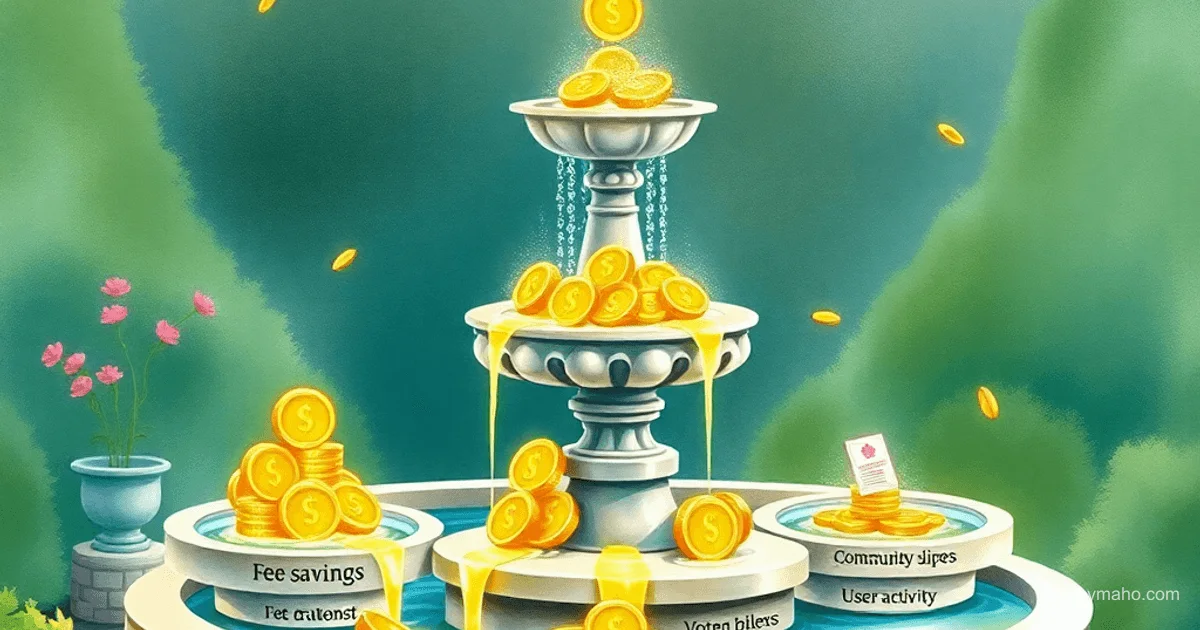
Tokenomics Explained: How Crypto Wallet Tokens Actually Work (And Why You Should Care)
Ever wonder why some crypto wallets offer discounts or rewards? It’s because of tokenomics — the hidden rules that decide how tokens in a project are created and used. Think of it like the rulebook for a board game: without clear rules, the game falls apart. For you, this means potential savings on fees or better rewards, but only if the token is actually useful.
Tokenomics (short for "token economics") explains how tokens get their value. If a token is only for speculation, it’s like play money — fun until the game ends. But if it’s built into real actions, like paying for services, it can become valuable. That’s why understanding tokenomics helps you avoid projects that are all hype and no substance.
How Wallet Tokens Save You Money (Real Examples)
Take the SFP token used in the SafePal wallet. It’s not just for holding — it’s designed to make your wallet experience cheaper and more rewarding. Here’s how it works in everyday situations:
- Swapping cryptos? SFP can give you a discount on fees — like a loyalty card at your favorite coffee shop that gives you a free drink after ten purchases.
- Moving between blockchains? SFP covers gas fees (the cost of transactions), acting like a prepaid toll pass that works on multiple highways.
- Earning rewards? Holding SFP might boost your staking returns — similar to a bank giving premium customers higher interest rates.
These aren’t hypotheticals. When tokens are tied to real utility, they create a cycle: more users → more token demand → more value for holders. But if the token isn’t actually used, the cycle breaks.
The Limited Edition Effect: Fixed Supply Explained
SFP has a fixed supply of 500 million tokens — meaning no more will ever be created. This is like a limited edition sneaker drop: scarcity can drive value if people want it. But unlike sneakers, tokens need real-world use. If everyone hoards SFP without using it for fees or rewards, the limited supply won’t help.
The key is whether token demand grows with user activity. If SafePal’s wallet gets more users doing swaps and cross-chain moves, SFP demand rises naturally. If not, the fixed supply becomes irrelevant — like having a rare coin no one wants to spend.
Having a Say: Token Governance Made Simple
Token holders can also vote on decisions, like which blockchains the wallet supports next. This is "governance," but it’s not a full democracy. Usually, your voting power depends on how many tokens you hold — so big holders have more influence, like shareholders in a company.
It’s similar to a neighborhood meeting where residents vote on park upgrades. But here’s the catch: voting only matters if the project actually implements the results. Some projects use governance as a checkbox without real change. Always check if past votes led to action.
Key Takeaways: What You Need to Know
- Tokenomics is the rulebook: It dictates how tokens are created, distributed, and used — focus on real utility, not just price.
- Utility beats speculation: Tokens that save you money (on fees, gas) or boost rewards are more likely to hold value.
- Fixed supply isn’t magic: Scarcity only helps if demand grows through actual use.
- Governance has limits: Voting rights matter only if the project listens — check their track record.
What Does This Mean for Regular People?
If you use a crypto wallet, check if it has a token and how it’s used. If the token makes your wallet cheaper or more rewarding in daily actions, it might be worth holding a small amount. But never buy a token just because a wallet uses it — the wallet itself must be trustworthy and user-friendly. Remember: the best tokens feel invisible, like a discount you didn’t know you had until you needed it.
— Editorial Team









