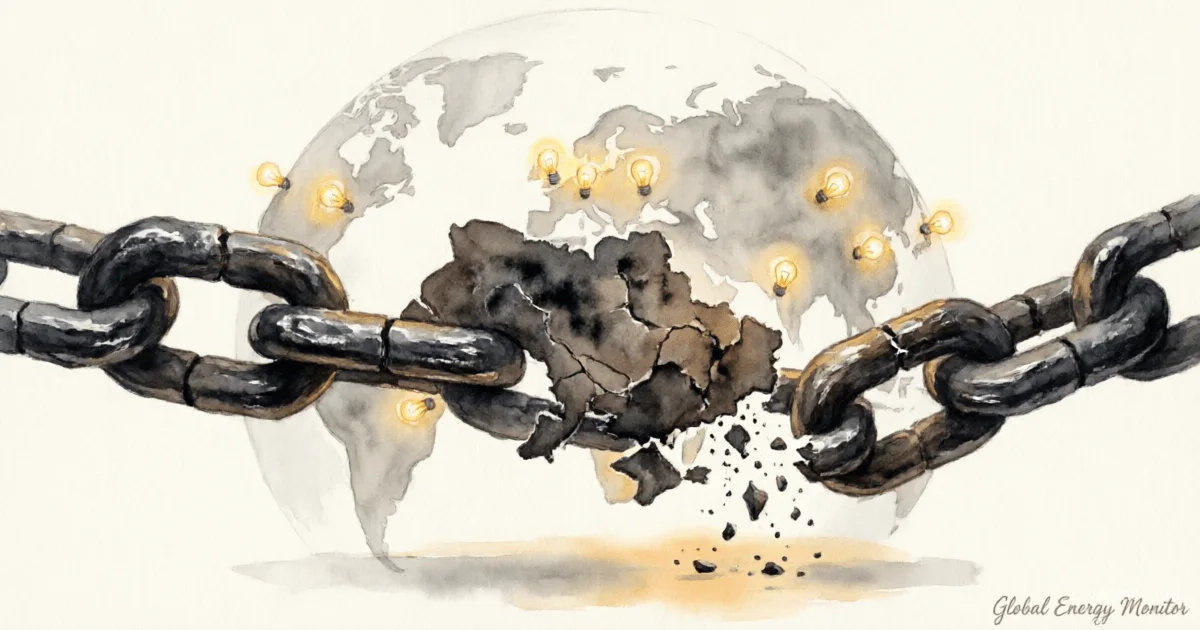
Ukraine's Coal Giant Loses 86% of Profit: A Signal for the Global Energy Market
Net profit at Ukraine's largest coal mining enterprise dropped from 19.9 billion to 2.7 billion hryvnias over the past year. This isn't just a local issue—amidst the war, every disrupted mining operation impacts energy prices from Europe to Asia.
Why Coal Is No Longer a Gold Mine in Ukraine?
DTEK Pavlohradvuhillya, which accounts for a third of Ukraine's coal production, saw its earnings plummet sevenfold in 2025 compared to the previous year. Revenue also fell, dropping from 39.75 billion to 36.16 billion hryvnias. The reason is straightforward: war.
Imagine trying to run an office that gets regularly shelled. The mines are located in the Dnipro region, which frequently faces attacks. Equipment breaks down, roads are destroyed, and workers flee. All of this drives down extraction rates while driving up operational costs.
The global context: Ukraine isn't a top-tier coal exporter, but its domestic coal is critical for powering its own power plants. When Ukraine runs short on coal, it ripples through Europe's energy balance. Since Ukraine and the EU are interconnected via power grids, when Ukrainian stations go dark, neighbors are forced to cover the shortfall—which puts upward pressure on prices.
How a Local Collapse Becomes a Global Problem?
The energy market operates like a massive jigsaw puzzle. Remove even a single small piece, and the entire picture falls apart.
Here’s how it plays out:
- Ukraine primarily uses coal for electricity generation
- As domestic extraction drops, power plants scramble for alternatives: importing coal or switching to natural gas
- Demand for alternative sources surges while supply struggles to keep up, sending prices soaring
- In 2024, Europe already felt the pinch due to reduced Ukrainian electricity exports
Other key factors to consider:
- Ukraine's share of the global coal market is small, but its role in regional energy security is significant
- The conflict highlights how vulnerable traditional energy systems are to geopolitical shocks
- Global energy prices are becoming increasingly volatile due to localized crises like this one
Key Takeaways
- An 86% drop in profits is a direct result of military operations in the mining region
- Ukraine is forced to import coal, creating additional demand on the global market
- Energy integration with the EU means Ukraine's challenges quickly become Europe's challenges
- Long-term trend: the world is accelerating its shift to renewables, yet during crises, it reverts to coal—a clear paradox
What does this mean for the average person?
If you live in Europe, Asia, or even the Americas, price spikes for coal in Ukraine can eventually show up on your electricity bill. Conflicts in one corner of the globe today directly impact anyone's wallet—that's how the global energy market works. The bottom line: the more we rely on fragile energy sources, the more often we'll pay the price for their instability.
— Editorial Team









