DeFi’s $600M Loss: How Crypto Lending Really Works
Over the past three weeks, decentralized finance platforms have lost more than $600 million to a pair of major security breaches, exposing how tightly connected—and fragile—modern crypto lending really is. If you’ve ever wondered why digital asset markets can swing so wildly, this breakdown shows exactly how a single crack can ripple through an entire financial ecosystem.
The trouble started on April 1 when Drift Protocol, a trading platform, was drained of roughly $285 million after an attacker slipped in fake collateral. Just over two weeks later, Kelp DAO lost about $293 million when a flaw in its cross-chain token system was exploited. Together, these two incidents account for nearly all the recent losses, pushing the total value locked across these platforms to a one-year low.
How One Broken Link Pulls the Whole Chain
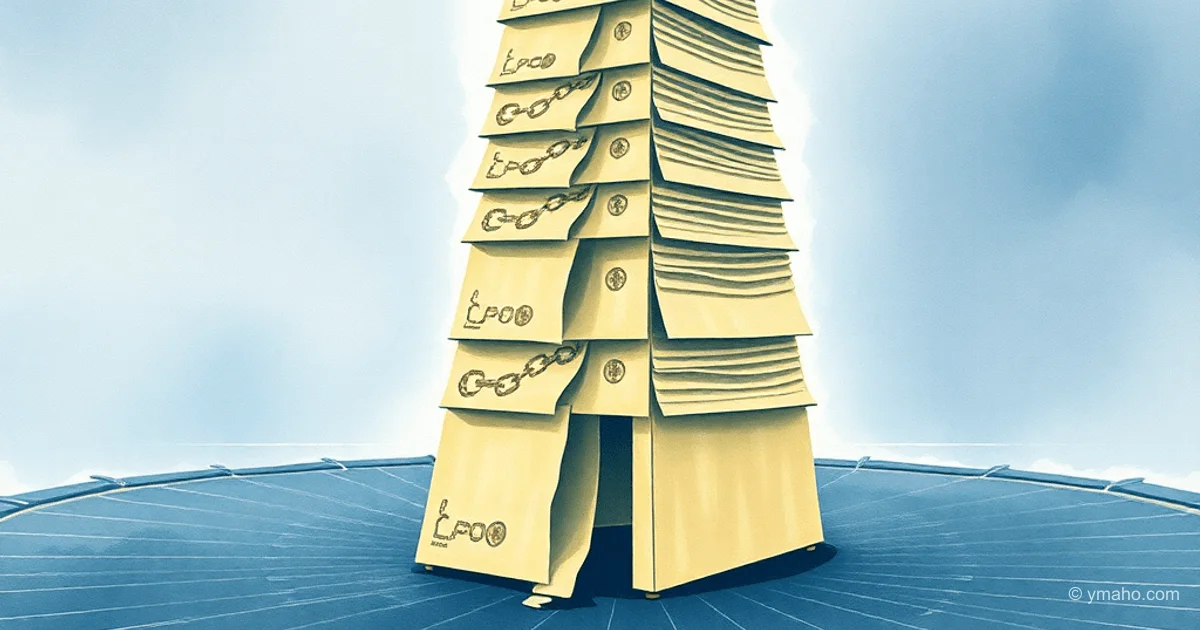
To understand why the damage spread so fast, picture a house of cards built on a trampoline. In decentralized finance, or DeFi, users lock up digital assets to earn interest. But platforms rarely let those assets sit idle. They reuse them as collateral for new loans, stake them again to chase extra rewards, and shuttle them across different networks. This practice is called leverage, and it’s essentially borrowing against your own holdings to multiply potential gains.
When markets are calm, this layered approach runs smoothly and boosts returns. But when a core token suddenly loses its backing, the entire structure bounces violently. Lenders demand repayment, borrowers get automatically sold out, and users rush to withdraw their funds simultaneously. The resulting drop in total locked value isn’t just about people cashing out—it’s a rapid mechanical unwinding that magnifies every single loss.
The Hidden Cost of Chasing High Returns
For years, the crypto lending space focused heavily on offering the highest possible interest rates. Platforms competed by stacking complex strategies on top of each other, closely mirroring traditional shadow banking, where financial institutions move capital through loosely regulated channels to maximize efficiency. The catch is that these interconnected systems run almost entirely on confidence. When that confidence fractures, available cash vanishes overnight.
What we are witnessing now is a forced reality check. Instead of blindly chasing double-digit yields, participants are starting to ask much harder questions. Can this collateral actually be sold during a panic? How many times has the same underlying asset been counted across different applications? The industry is gradually pivoting from a growth-at-all-costs model to one that properly prices in risk and demands clear, verifiable transparency.
What does this mean for regular people?
You don’t need to trade digital assets to notice how these structural shifts reshape broader markets. When complex lending networks unwind, the resulting volatility often spills over into technology stocks and digital payment systems that everyday consumers rely on. More importantly, it reinforces a timeless financial rule: unusually high returns almost always mean your money is being borrowed, reused, or leveraged behind the scenes, and knowing that difference is your best defense against hidden risk.
— Editorial Team









