Why a Major Stock Exchange Just Bet $200 Million on Kraken
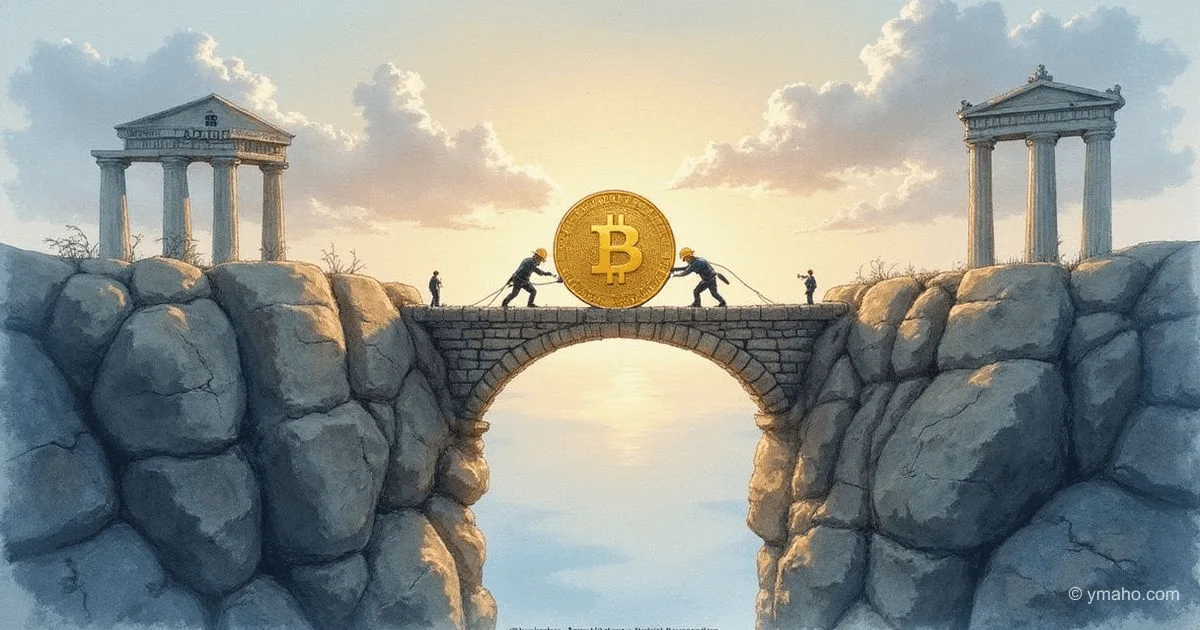
A giant of traditional finance—Germany’s Deutsche Börse, operator of the Frankfurt Stock Exchange—just bought a $200 million stake in crypto exchange Kraken. This isn’t just another headline about “crypto going mainstream.” It’s a signal that big financial players are no longer waiting on the sidelines. They’re partnering with established crypto firms to bridge old-world markets with new digital rails—and they’re doing it through real money, not just talk.
For everyday people, this matters because it could shape how you invest, save, or even access stock-like assets in the future—potentially faster, cheaper, and with more options than today’s system allows.
What’s Actually Happening?
Deutsche Börse now owns about 1.5% of Kraken’s parent company, Payward Inc., in a deal that values Kraken at $13.3 billion. That’s down from a $20 billion valuation just months ago, showing how volatile private valuations can be—even for top-tier crypto firms.
But the money is only part of the story. The two companies had already teamed up in December on a wide-ranging partnership covering foreign exchange (FX) liquidity, custody (secure storage of assets), settlement (finalizing trades), and tokenized assets—digital versions of real-world investments like stocks or bonds.
Think of tokenized assets like turning a physical painting into a digital deed that can be split into pieces and traded online. Each piece still represents real ownership, but now it moves like an email instead of requiring lawyers, couriers, and weeks of paperwork.
Why Traditional Finance Is Jumping In Now
Big banks and exchanges aren’t suddenly “believing in crypto.” They’re responding to clear shifts:
- Regulation is finally taking shape, especially in Europe and parts of Asia, giving institutions clearer rules to follow.
- Tokenization is gaining traction—the idea of putting real assets (like gold, real estate, or shares) onto blockchains so they can be traded 24/7.
- Building from scratch is too slow. As one expert put it: “It’s hard for them to build these businesses themselves, so they’re investing in incumbents.”
Deutsche Börse’s move follows a similar $200 million investment by Intercontinental Exchange (owner of the New York Stock Exchange) in rival exchange OKX earlier this year. This isn’t random—it’s a pattern.
Real Progress, Not Just Promises
The partnership has already delivered tangible results. In February 2026, the first tokenized stocks launched on 360X, Deutsche Börse’s regulated trading venue. These aren’t speculative tokens—they’re backed 1:1 by actual shares held by licensed custodians. If you own a tokenized Apple share, there’s a real Apple share locked away in a vault somewhere, legally tied to your digital version.
Kraken users also now get access to bank-grade FX liquidity through 360T, Deutsche Börse’s foreign exchange platform. That means better rates and smoother conversions between dollars, euros, and other currencies when trading crypto.
What Does This Mean for Regular People?
- You might soon be able to buy fractions of tokenized stocks or ETFs directly through platforms like Kraken—without needing a traditional brokerage account.
- Settlement times (how long it takes for a trade to finalize) could shrink from days to minutes, reducing risk and freeing up your money faster.
- Greater involvement from trusted financial giants may ease concerns about safety, potentially bringing more everyday investors into the space.
That said, crypto remains complex and risky. This deal doesn’t eliminate those risks—it just shows serious institutions are working to make the system more reliable.
Key Takeaways
- Deutsche Börse invested $200 million in Kraken, valuing it at $13.3 billion.
- The move deepens an existing partnership focused on FX, custody, settlement, and tokenized real-world assets.
- Tokenized assets are digital representations of real investments (like stocks) that trade instantly on blockchain.
- Traditional finance firms are choosing to partner with proven crypto players rather than build their own systems.
- This signals growing institutional confidence—but doesn’t remove all risks for individual users.
— Editorial Team









