CoW Swap Hit by DNS Hijack — Here’s What That Means for Your Crypto Safety
On April 14, 2026, users trying to access CoW Swap—a popular decentralized trading tool—were unknowingly redirected to a fake version of the website. No money was stolen from the protocol itself, but anyone who signed a transaction on that fake site could have lost funds. This kind of attack doesn’t break the blockchain; it tricks you at the front door.
What Is DNS Hijacking? (And Why It’s Like a Fake Storefront)
Think of DNS like the internet’s phone book. When you type “cowswap.com” into your browser, DNS tells your computer which server actually hosts that site. In a DNS hijack, attackers change that address so you’re sent to their fake version instead.
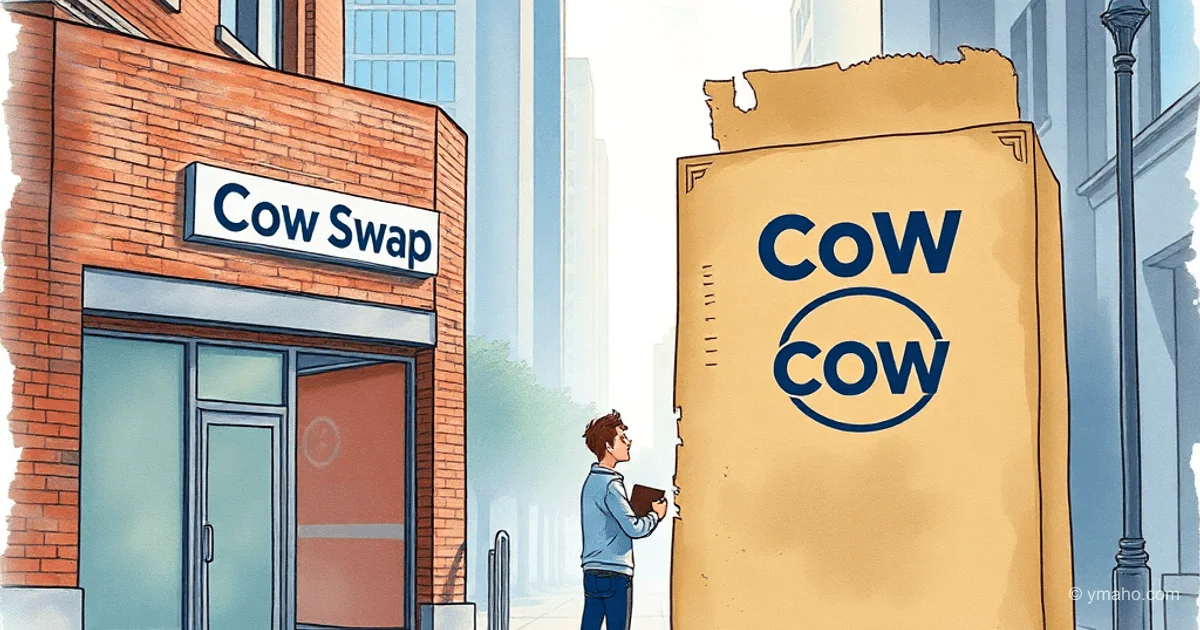
It’s like walking into what looks like your local pharmacy—but it’s actually a cardboard cutout with someone behind it swapping your prescriptions. The real store is fine. But if you hand over your medicine list inside the fake one, you’re in trouble.
In DeFi, these fake sites often:
- Look identical to the real thing
- Ask you to “connect your wallet” (which seems normal)
- Then request a “signature” or “approval” that secretly lets them drain your tokens
The scary part? Your crypto never left your wallet until you clicked “approve.”
Why CoW Swap’s Core System Wasn’t Broken
Importantly, CoW Swap’s smart contracts—the actual code running on Ethereum—were never touched. The matching engine, batch auctions, and solver system all kept working normally. This was purely a front-end attack: the digital equivalent of someone putting up a fake sign outside a bank.
CoW’s design actually helped limit damage:
- Trades happen via off-chain “intent” submissions
- Solvers compete to fill orders and pay gas fees
- Nothing executes unless you sign—and even then, only if the trade meets your terms
So unless you visited the hijacked site and approved a transaction after the breach began, your assets were safe.
What Users Should Do After a Front-End Attack
If you used CoW Swap around April 14 and aren’t sure what happened:
- Stop using the site until official channels confirm it’s restored
- Check your token approvals using a tool like revoke.cash
- Revoke any suspicious permissions—especially for tokens you don’t recognize
- Report odd transactions to the team with your transaction hash
Most losses in these attacks come not from theft, but from forgotten approvals. You might have given a dApp permission to move your USDC months ago—and if that site gets hijacked later, the attacker can use that old approval against you.
The Bigger Lesson: Trust, But Verify
This incident shows a hard truth about DeFi: even perfectly coded protocols can be undermined by weak links outside the blockchain—like domain registration, hosting providers, or cloud services.
You can’t assume a site is safe just because it’s “decentralized.” Always:
- Double-check the URL before connecting your wallet
- Bookmark official links instead of searching each time
- Treat every “approve” request like handing someone your house keys
What Does This Mean for Regular People?
Your crypto is only as safe as your habits. No hack broke Ethereum or CoW’s smart contracts—but human trust was exploited. If you stay alert, check URLs, and clean up old approvals, you’re already ahead of most risks. And remember: if a site ever asks you to “sign to continue,” pause and ask why.
Key takeaways:
- DNS hijacking redirects you to fake websites that look real
- Your funds are safe if you didn’t approve or sign anything during the attack window
- Always review and revoke unnecessary token approvals
- Protocol security ≠ website security—both matter
- CoW Swap’s core system remains intact; this was a front-end issue only
— Editorial Team









