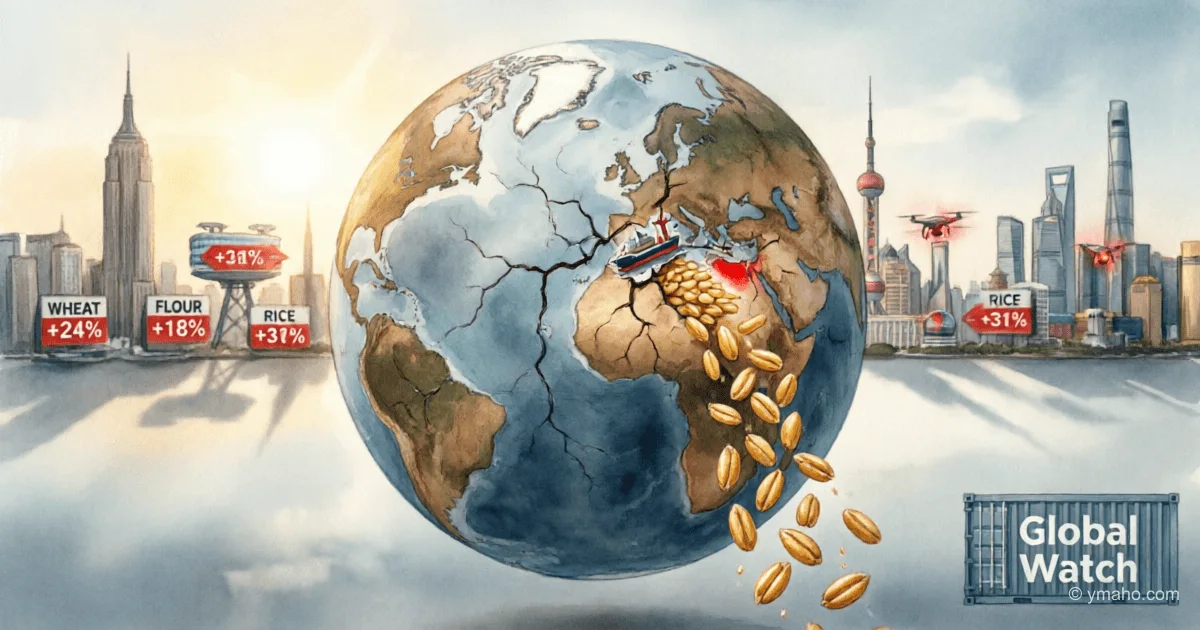
Attack on the Port of Odesa: How Drones Are Impacting Your Grocery Prices
Russian drones have struck another Ukrainian port in the Odesa region, damaging corn silos and freight vehicles. Why should this concern you, even if you live thousands of miles away? Because these strikes directly drive up the cost of bread, cornflakes, and other everyday groceries in supermarkets worldwide.
What Happened in Odesa?
Overnight, Russian forces targeted a port facility in the Odesa region using combat drones. According to the Ministry of Communities and Territories, corn silos were damaged, a fire broke out, and both storage warehouses and freight trucks sustained hits. A truck driver was injured, but fortunately, there were no fatalities. Emergency crews quickly brought the blaze under control, though the infrastructure still suffered significant damage.
This wasn’t an isolated event. On the night of April 17 alone, Russia launched 219 drones across Ukraine. While Ukrainian air defenses intercepted 190 of them, 28 successfully struck targets across 17 different locations. Alongside the port, energy infrastructure in the Chernihiv region was also hit, plunging 380,000 people into darkness.
Why Does This Matter Globally?
Ukraine is one of the world’s top grain exporters. Its Black Sea ports serve as critical gateways for shipping wheat, corn, and sunflower oil to markets in Africa, Asia, and Europe. When drones strike these gateways, global supply chains tremble.
Think of it like building a house: suddenly, your brick deliveries stop. Construction grinds to a halt, and brick prices skyrocket. It’s the same with grain. Every port attack fuels market uncertainty, forcing buyers to pay a premium out of fear of shortages. This dynamic directly impacts supermarket shelves from New York City to Dhaka.
You can see the ripple effects of these strikes in three key areas:
- Rising Food Costs: Following the initial port attacks in 2022, global wheat prices surged by 20%. While markets have since adjusted, fresh damage could easily trigger another spike.
- Route Diversions: Ukraine has been forced to reroute shipments through Danube River ports, but this alternative is both costlier and slower, adding to overall freight expenses.
- Threats to Vulnerable Nations: Many developing countries rely heavily on Ukrainian grain. Supply chain disruptions could severely exacerbate food insecurity in regions like Somalia and Yemen.
What Matters
- The strike on the Odesa port is part of a broader Russian strategy to disrupt Ukrainian exports.
- Damaged corn silos threaten to reduce global corn supplies.
- Although firefighters contained the blaze, incidents like this create chronic instability in international grain supply chains.
- Alternative routes (via Europe) exist, but they are less efficient and drive up logistics costs.
What This Means for Everyday Consumers
If you regularly buy bread, cornflakes, or pet food, you’re likely already feeling the impact of these strikes in the form of higher grocery bills. Over the coming weeks, especially if drone activity continues, expect further volatility at the checkout counter. The best way to stay ahead of rising costs is to maintain a flexible shopping list and keep an eye on supermarket promotions.
— Editorial Team









