Druzhba Pipeline Repairs: How It Affects Oil Prices and Your Wallet
Ukraine has restored the key Druzhba pipeline, which Russia uses to supply oil to Europe, though the risk of further Russian attacks remains. This matters not just for Ukraine and the EU, but for you: even minor disruptions to energy routes can drive up gas prices worldwide.
What Happened and Why It Matters
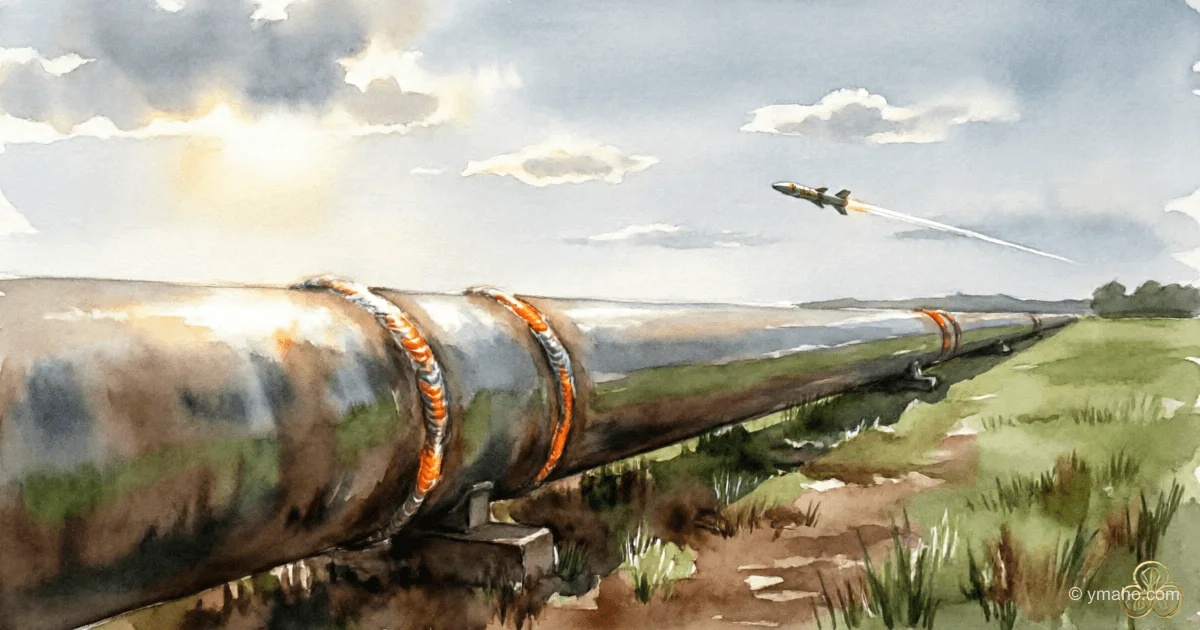
Ukrainian crews have finished repairing a section of the Druzhba pipeline damaged by a Russian missile strike. As President Zelenskyy reported, the system is now ready to resume operations. However, he stressed that there are no guarantees Russia won't launch another attack on the infrastructure.
Think of this pipeline as a major artery for Russian oil flowing into Hungary, Slovakia, and the Czech Republic. Imagine driving down a busy highway when a chunk of the road suddenly collapses. Traffic is forced onto detours, increasing travel time and fuel consumption. Similarly, damage to the pipeline forced Europe to seek alternative oil sources, pushing prices up. Now that the "road" is fixed, flow can resume, but markets will still be on edge over the threat of future strikes.
Global Implications
While throughput through the Ukrainian segment of Druzhba is relatively modest (around 100,000 barrels per day), restoring it eases market tension. For context: global daily oil demand sits at roughly 100 million barrels. But in a tight market, even a small influx makes a difference. This is especially true right now as Europe works to reduce its reliance on Russian energy, yet still depends partially on these deliveries.
Additionally, Ukraine is tying the pipeline repairs to expectations of unlocking a €90 billion loan from the European Union. This loan is part of a broader financial aid package crucial for Kyiv to stabilize its economy. Approval would strengthen Ukraine's negotiating position for EU membership, potentially making energy corridors more reliable in the long run. However, the decision hinges on EU politics, particularly Hungary, which previously blocked disbursements.
Key Takeaways
- Restoring Druzhba allows oil shipments to resume to Central European nations, which could slightly lower regional gas prices.
- The threat of new attacks persists, leaving markets vulnerable to sharp volatility—a single missile strike rumor can spike prices within minutes.
- Unlocking the EU loan will bolster Ukraine's economy, indirectly supporting energy supply stability in Europe and reducing risks for the global economy.
What Does This Mean for Everyday People?
If the pipeline operates smoothly, you might see a slight dip in gas station prices across Europe—and through supply chains, this could eventually ripple into other regions. But if Russia strikes the pipeline again, prices could surge overnight. Meanwhile, Ukraine's success in securing the EU loan will help keep the country financially afloat, which is vital for global stability. Economic crises tend to drive up the cost of everything from groceries to electronics, so maintaining steady energy flows benefits everyone.
— Editorial Team









