Why AI Is Moving From Office Gadget to Must-Have Tool
Big companies aren't just testing AI anymore—they're fighting over budget for it. Why should you care? Because the way AI gets rolled out at work could change your job, your commute, and even the products you buy.
The Big Shift: From "Wow" to "We'll Pay for That"
Remember when AI felt like a magic trick? Companies would show off a chatbot that could write poems or guess your age. Now, that's over. Today, business leaders aren't asking "Can this AI do cool stuff?" They're asking "Will this save us money or time—and is it worth the price tag?"
It's like the difference between trying a free sample at the grocery store and actually buying the product. You might love the sample, but you only pay for what you use regularly. For AI, that means tools must prove they're reliable and useful day after day. If it's just a novelty, it gets shelved.
Why Some AI Tools Win the Budget Battle
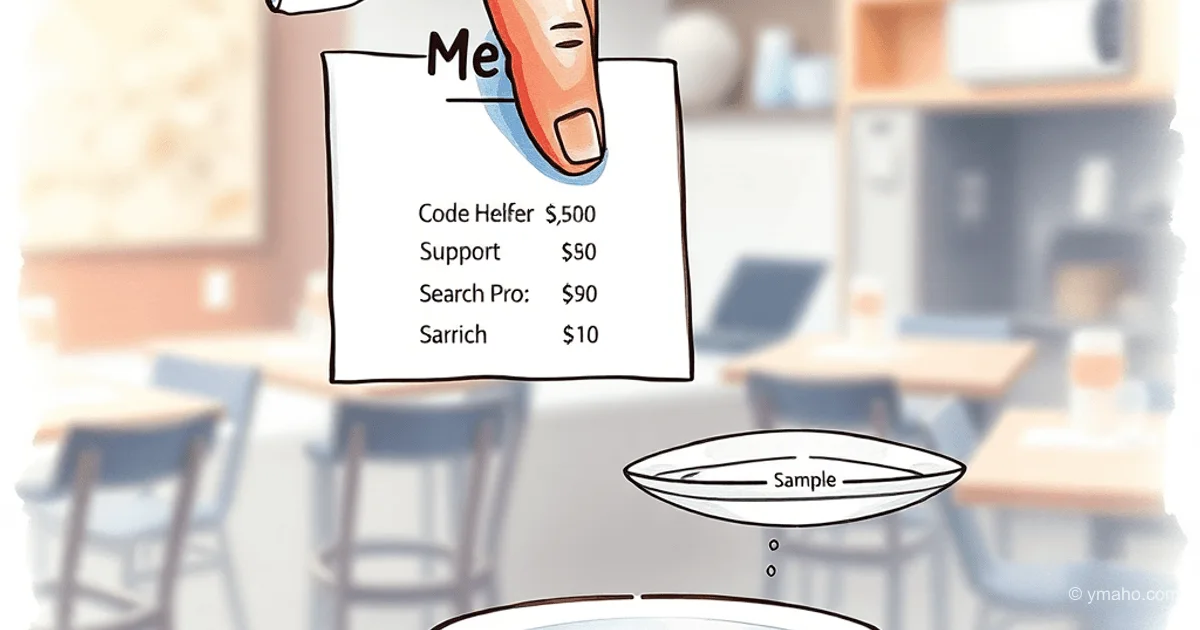
Not all AI tools make the jump from free sample to paid product. The winners solve specific, boring problems that companies care about. Think of it like a restaurant menu: the dishes that sell best aren't the fancy experiments—they're the classics that fill you up and keep you coming back.
Three areas are leading the charge because they hit the sweet spot:
- Coding: AI that helps programmers write code is booming because it speeds up a high-paid job. It's like having a sous chef who preps ingredients—you still cook the meal, but faster. And since code either works or it doesn't, the results are easy to check.
- Customer Support: Chatbots that handle routine questions (like "What's my account balance?") free up human agents for trickier issues. Imagine a toll booth that scans your pass automatically, so you don't wait in line. Companies love it because they can measure time saved and customer satisfaction.
- Search: Finding files in a company's mess of documents is now AI-powered. It's like a librarian who knows exactly where every book is, saving hours of digging. Over time, this builds a knowledge base that makes the whole company smarter.
What Makes an AI Tool Stick Around
Companies don't buy AI for the tech—they buy it for the results. The real test is whether the tool fits into daily work without causing headaches. For example, an AI that writes code must let humans easily review and fix mistakes. An AI for customer service needs to hand off smoothly to a person when things get complicated.
It's like adding a new appliance to your kitchen. A fancy coffee maker is great—but if it breaks often or takes forever to clean, you'll stop using it. AI must be the reliable, easy-to-use kind. That's why the best tools come with safety nets: audit logs, human oversight, and clear costs.
The Hidden Hurdle: Getting Everyone on Board
Even the best AI tool can fail if it disrupts how people work. For example, if an AI coding assistant changes how programmers do their jobs, some might resist. Or if it requires reworking old software systems, costs can balloon.
This is why many AI projects start as small pilots. It's like testing a new recipe with a few customers first. If it works, you add it to the menu. If not, you tweak it—without wasting a whole night's service. The real barrier isn't the tech; it's getting people comfortable with change.
Key Takeaways
Here's what matters most for AI in business today:
- It's not about being smart—it's about being useful: Tools that solve clear, measurable problems win budget approval.
- Start small, prove value: Companies begin with one task (like coding help), show savings, then expand.
- The human touch is key: AI works best when it teams up with people, not replaces them entirely.
- Budgets follow proof: Without hard numbers on time or cost savings, AI stays a pilot project.
What Does This Mean for Regular People?
If you work in an office, you might get tools that handle boring tasks, freeing you up for more interesting work—but only if the tool is easy to use and actually saves time. As a consumer, products might improve because companies can design and fix them faster with AI help. But if companies rush to buy AI without thinking it through, you might end up with glitchy systems that make work harder.
— Editorial Team









