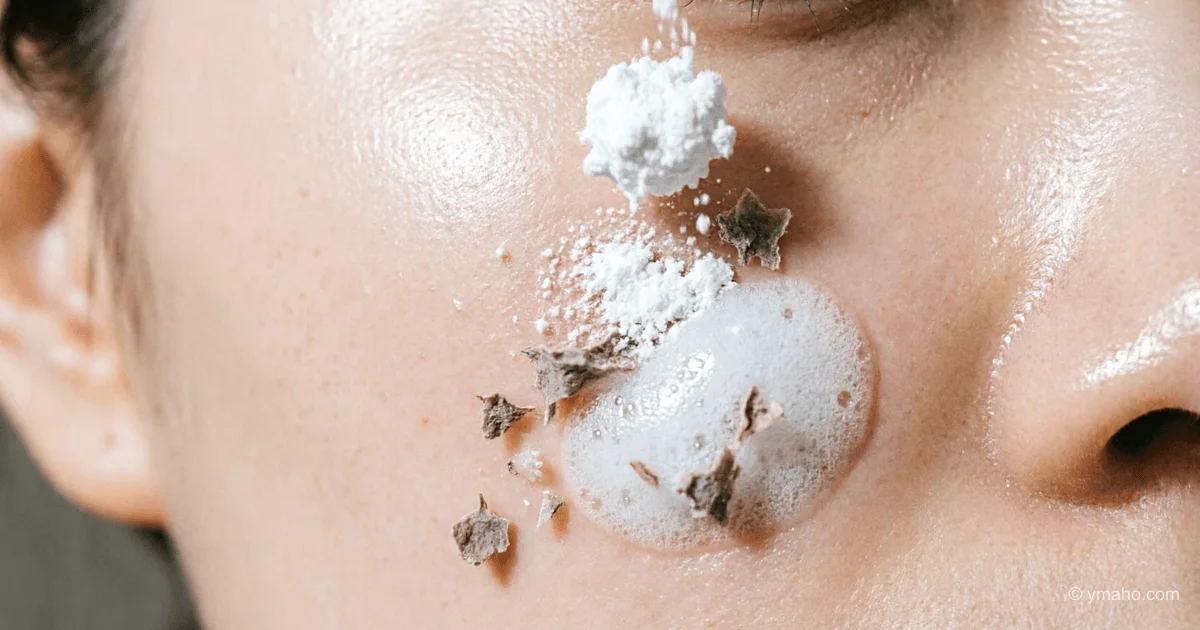
Enzymatic Cleansing: A New Level of Detox Without Skin Stress
Aggressive peels are being replaced by enzymatic enzyme powders and masks that gently yet effectively cleanse pores and renew the skin's surface without disrupting its protective barrier. This trend reflects a broader demand for gentle, physiological skincare.
Enzymatic Cleansing: A New Level of Detox Without Skin Stress
Introduction
The beauty industry is undergoing a "quiet revolution" in the cleansing segment. Consumers, tired of harsh formulas, are rethinking basic skincare steps. Scrubs and acid peels, which often compromise the skin barrier, are giving way to enzymatic cleansing. Enzyme powders and masks are not just a new product on the shelf; they embody a philosophy of physiological care: gently yet effectively renewing the skin's surface without interfering with its natural processes or causing stress.
Event Details and Timeline
The trend toward enzymatic cleansing began in response to growing demand for products suitable for sensitive and reactive skin. However, by 2026, it has taken on clear economic and technological shape. According to Future Market Insights, the global market for enzyme "cloud" creams will reach USD 1.6 billion in 2026, with a projected growth to USD 5.2 billion by 2036. The 12.5% annual growth is driven not by marketing but by real need: 30 to 40% of retinoid users discontinue treatment due to irritation and dryness, and enzymes offer a saving alternative.
The segment of enzyme cleansing powders, according to Deep Market Insights analysts, is the fastest-growing in the cleanser market. For example, in the Asia-Pacific region, the facial cleanser market was valued at USD 4.37 billion in 2025, with the Enzyme Powder Cleansers category showing the highest growth rates. Similar dynamics are observed in other regional markets, from Singapore to Nigeria.
The technological shift driving this momentum is the transition from extracting enzymes from fruits (papaya, pineapple) to biotechnological fermentation. Manufacturers are increasingly using microbial proteases and lipases: unlike plant-based sources, they ensure consistent quality and purity, independent of harvest seasonality. This has enabled the creation of formulas that remain active upon contact with water and on the shelf.
In February 2026, the professional community Hale Cosmeceuticals published a detailed analysis of the differences between papain, bromelain, and fungal enzymes. The findings confirm that fungal enzymes are becoming the standard for sensitive skin due to minimal allergenicity and predictable action.
Impact and Significance
For consumers. The main advantage is safety without compromising effectiveness. Enzymes act selectively: they break down only the proteins of dead cells on the surface, without affecting living epidermal layers or altering skin pH. Cosmetic chemists and dermatologists agree: for skin with rosacea, eczema, or simply reactive skin, this is often the only way to achieve renewal without the risk of inflammation. Additionally, the dry powder format eliminates the need for harsh preservatives, reducing the risk of allergies.
For the industry. The shift to enzymatic cleansing is reshaping the category. Manufacturers face a complex technological challenge: stabilizing enzyme proteins in an environment where pH, emulsifiers, and temperature can degrade them. The answer lies in microencapsulation and liposomal delivery systems that protect enzymes until they contact the skin and control their release rate. This separates the premium segment from mass market: a true enzyme powder is a high-tech product, not just "powder with papaya."
For the environment. The trend aligns with the broader movement toward sustainable cosmetics. Biotechnological enzymes are produced with lower water and land usage, and powder formats reduce the need for preservatives and packaging. The elimination of harsh surfactants and acids reduces the ecotoxicity of wastewater.
Reactions of Key Players
The professional community and brands are responding in several ways.
Dermatologists and cosmetologists increasingly recommend enzymes as the "gold standard" for patients with acid intolerance. However, they emphasize a nuance: if the skin needs deep renewal stimulation and treatment of hyperpigmentation, enzymes alone are insufficient—they act only on the surface. But for weekly maintenance and gentle cleansing, they are the optimal choice.
Professional skincare brands are actively developing multi-component formulas. A modern enzyme powder is not just papain but a combination of proteases, lipases, and amylases that target different types of intercellular bonds. In 2026 rankings, products combining enzymes with probiotics (Dr. Ceuracle), PHA acids (Aravia), and antioxidants (ICON SKIN) lead the way.
Mass market is adapting the format. Major chains like Watsons are introducing enzyme powders to Asian markets, making the technology accessible to a broad audience. Retailers report that the enzyme powder category is growing faster than foams and gels, gradually attracting consumers disillusioned with acid toners and scrubs.
Eco-friendly brands are betting on the format. Powders and solid concentrates that are activated with water just before use support the trend toward zero-waste and science-led minimalism—conscious care with minimal environmental impact.
Forecast and Conclusions
Short-term (1–2 years). Enzyme powders and masks will cease to be niche products and will become a permanent fixture on mass-market shelves. Enzyme stabilization technologies will become standard: consumers will expect proven activity from a product, not just the presence of "papaya extract" at the end of the INCI list. Regulatory pressure, especially in Europe, will force brands to clinically substantiate the claimed action of enzymes.
Medium-term (3–5 years). Formats will continue to evolve. There will be a shift from rinse-off powders and masks to leave-on "cloud" creams with prolonged-release enzymes. The price gap between biotechnological and plant-derived enzymes will narrow as fermentation capacity scales up. Multi-functional products combining cleansing and hydration will become the norm.
Long-term. Enzymatic cleansing will complete the transition from a model of "cleansing as war on bacteria" to "cleansing as support for the skin ecosystem." Enzymes do not kill the microbiome; they gently remove dead cells while preserving pH and barrier function. This makes them an ideal tool for an integrative beauty strategy where each step strengthens the skin's own resources. The global market for hydrolytic enzymes, projected to grow to USD 10.1 billion by 2030, leaves no doubt: enzymes are not a passing trend but a new foundation for the skincare industry.
— Editorial Team









