Why Ethereum's Trust Revolution Matters to Your Everyday Life
Imagine if the internet had a public square where everyone could post messages that no one could secretly change, and where digital agreements were as binding as a handshake in front of witnesses. That's the future Ethereum co-founder Vitalik Buterin outlined in Hong Kong — and it's not about speed, but about building a foundation we can all trust for things like money, voting, and contracts. This shift could make your online life more secure and fair, reducing scams and hidden manipulation.
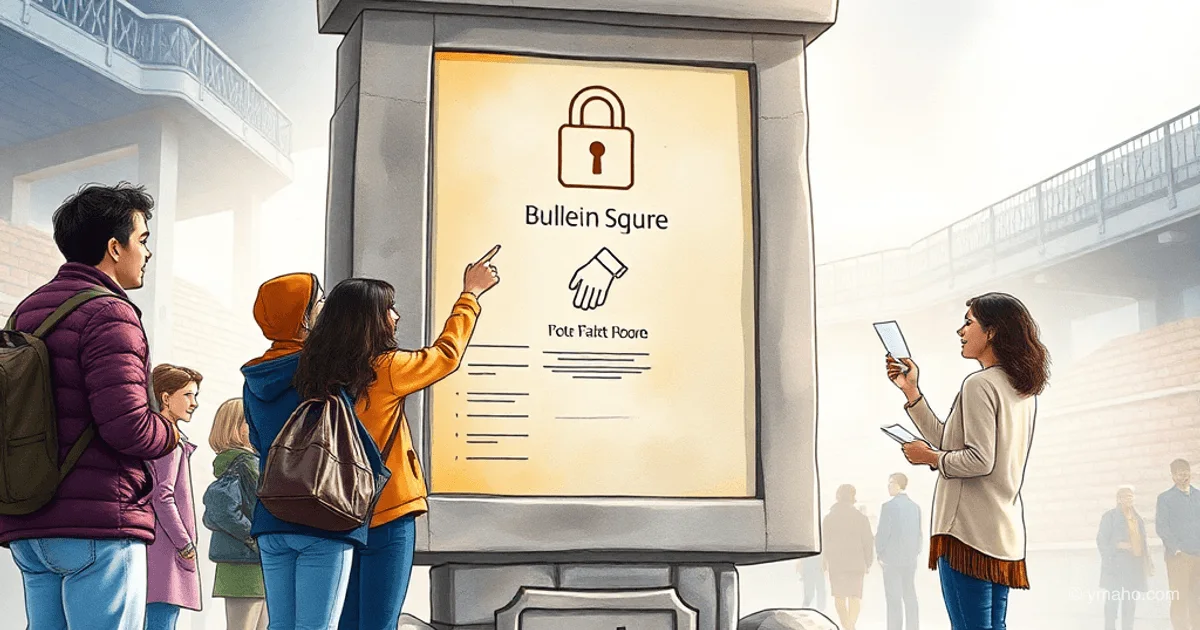
Ethereum isn't trying to be the fastest blockchain anymore. Instead, it's becoming a "public bulletin board" — think of it like a digital town square where anyone can post transactions or data that everyone can see and verify. It's also a "shared computation layer," meaning it runs code that everyone agrees to, like a set of rules for digital assets and organizations. For example, when you use a decentralized app for voting, the rules are set in code so no one can tamper with the results. This redefinition moves Ethereum beyond just cryptocurrency to become a backbone for trustworthy digital systems.
Why Trust Beats Speed
Vitalik's plan focuses on three things at once: scaling, security, and verifiability.
Scaling isn't just about handling more transactions. It's about letting more apps work together without relying on big tech companies. Picture a highway that expands only when needed, but without toll booths run by a single company. This means apps can share data safely, like how different bank systems connect today but without a central authority.
Security now includes preparing for future threats, like quantum computers that could crack today's encryption. It's like updating your home locks not because someone's at the door today, but because better lockpicks might exist in 10 years. Ethereum is researching "post-quantum" cryptography to stay ahead of these risks.
Verifiability means even your phone should be able to check Ethereum's records. If only supercomputers can verify, power concentrates in a few hands. It's like requiring everyone to use a special magnifying glass to read a public notice — if only the city has it, they control what you see. Making verification possible on everyday devices keeps the system truly decentralized.
The Tech Making Trust Possible
Three key technologies will power this shift:
- zkVM (Zero-Knowledge Virtual Machine): This lets lightweight devices prove transactions are valid without re-doing all the work. Imagine verifying a math problem by checking the answer sheet instead of solving it again — saving time and energy. This could let your phone confirm transactions without draining the battery.
- Account Abstraction (AA): Wallets become smarter and more secure. Think of your wallet as a programmable safe: you can set rules like "only unlock during business hours" or "require two keys," making it harder for thieves. It also allows features like paying gas fees in the app's token (not just ETH), so you don't need to hold multiple currencies.
- Post-Quantum Security: Upgrading encryption to resist future quantum attacks. It's like switching to unbreakable locks before the burglars get new tools. The goal is a smooth transition so your digital assets stay safe without sudden disruptions.
Key Takeaways for Everyone
Here’s what you need to know:
- Ethereum is shifting from speed to trust — making the internet more reliable for everyday use.
- Your digital wallet could become more user-friendly and secure, with features like easy recovery and multi-signature access.
- Long-term security (like quantum-proofing) is now a priority, meaning your digital assets may be safer for decades.
What does this mean for regular people? In the next few years, you might use apps built on Ethereum without even knowing it — for things like secure voting, transparent charity donations, or even digital IDs. These changes aim to make digital interactions feel as trustworthy as cash in hand, reducing the need to blindly rely on big companies. And while it won't happen overnight, this foundation could make the internet a fairer place for everyone.
— Editorial Team









