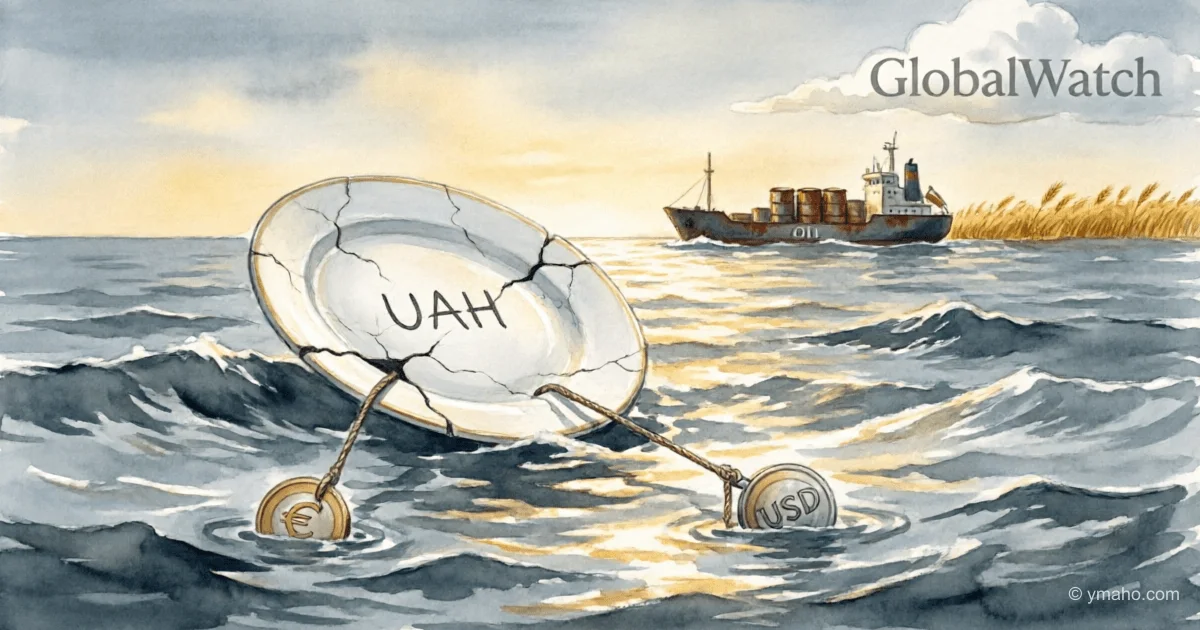
The Falling Hryvnia: How Record Euro Rates Are Impacting Your Groceries and Prices
For the first time in history, the euro will surpass 51.9 hryvnias per unit. For Ukrainians, this means medicines, electronics, and gasoline will get even more expensive. But why does this affect you, even if you’ve never set foot in Ukraine? Because a weak hryvnia acts like a beacon for global markets: it influences the price of bread in Europe, oil prices, and even your dollar-denominated savings.
Why Is the Hryvnia Continuing to Fall?
The National Bank of Ukraine has set a new record exchange rate: 51.91 hryvnias per euro and 44.11 per dollar. This continues an existing trend—the euro climbed nearly 50 kopeks in just one week. The reason is straightforward: war demands massive funding. Ukraine needs to purchase weapons, rebuild cities, and pay salaries. While some funds come from the West, it’s simply not enough. Imagine if your household budget was covered half by your salary and half by friends’ contributions. If that help gets delayed, you start liquidating your savings (in this case, hryvnias) to buy dollars for urgent purchases. That’s exactly what Ukraine is forced to do—selling its own currency to secure foreign exchange for imports.
Additionally, inflation in the country remains stubbornly high. Inflation occurs when money loses purchasing power, forcing you to pay more for the same goods. When prices outpace income growth, people lose faith in their local currency and rush to swap hryvnias for dollars or euros. It’s much like a sugar shortage line at a grocery store: when everyone rushes to buy, shelves empty almost instantly.
The Hryvnia and Your Shopping Cart
How does a weakening hryvnia impact you? Ukraine is one of the world’s top exporters of wheat and sunflower oil. When the hryvnia depreciates, Ukrainian farmers earn fewer hryvnias for the same amount of dollars earned from crop sales. To stay afloat, they raise prices for international buyers. This drives up global prices for bread and cooking oil. For example, if a ton of wheat used to sell for $300, farmers now need $320 just to net the equivalent amount in hryvnias. Those extra costs are passed down to you—in the form of a pricier loaf of bread at the supermarket.
Furthermore, a struggling hryvnia serves as a warning signal for the entire globe. When smaller currencies take a hit, investors start offloading riskier assets like stocks and commodities. It resembles panic in a movie theater: if one person bolts for the exit, others follow suit. Last year, a similar scenario with the Turkish lira triggered drops in oil and gold prices. Even though Ukraine’s economy is smaller than Turkey’s, its currency crisis amplifies broader market volatility.
Key Takeaways
- The hryvnia is hitting record lows due to war and a shortage of foreign currency for imports
- A weaker hryvnia makes Ukrainian exports (wheat, oil) more expensive globally
- Currency crises in “smaller” economies often drag down global markets
- The National Bank of Ukraine is working to stabilize the situation, but resources are limited
What does this mean for everyday consumers? If you live in Europe or Asia, brace yourself for potential 5–10% increases in bread and cooking oil prices. For those holding savings in dollars or euros, the weakness of emerging-market currencies is a cue to review the stability of your financial holdings. And remember this: conflicts on the other side of the world always find their way to your wallet—whether through grocery store price tags or heating bills.
— Editorial Team









