France Aims to Reclaim the Euro in the Stablecoin World—And Banks Are Already Ready
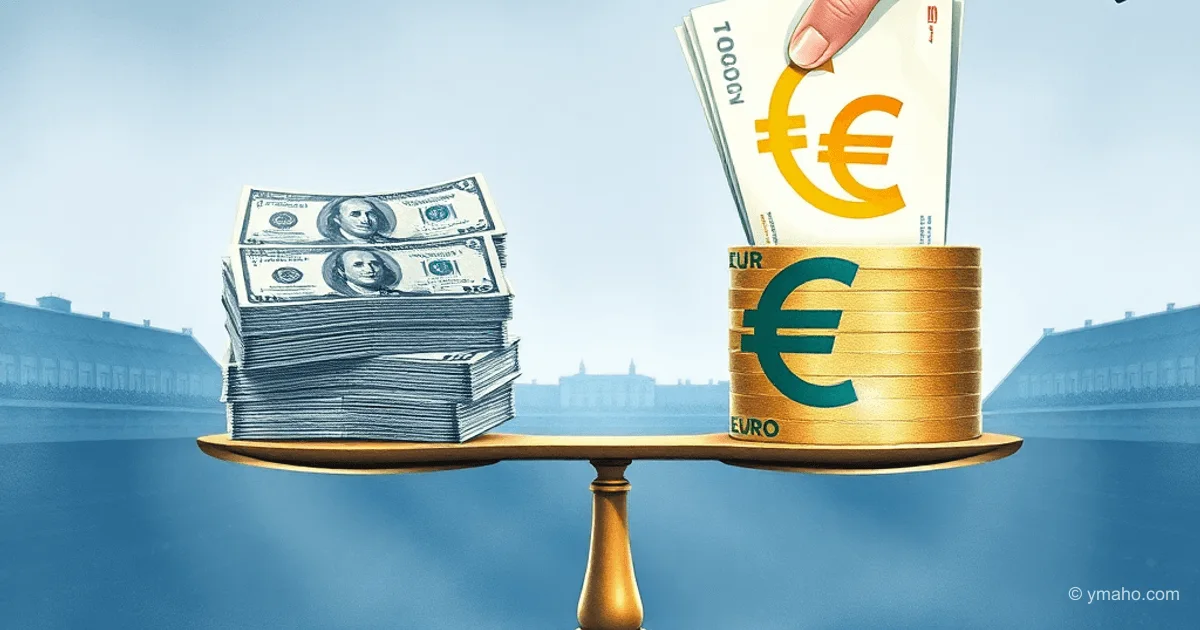
If you think stablecoins are just "digital dollars," that could soon change. France’s finance minister has urged European banks to urgently launch euro-pegged stablecoins. This isn’t merely a technical upgrade—it’s an effort to restore Europe’s control over its own currency in the digital realm.
Why Does This Matter to Ordinary People?
Today, nearly all stablecoins are digital dollars: USDT, USDC, and others. They’re used globally for payments, trading, and savings. But if the entire digital economy runs on dollars, the U.S. gains enormous influence—even over countries striving for financial independence. Imagine living in Germany, paying for coffee in Berlin, yet your digital currency still hinges on decisions made by U.S. regulators. It’s like your local shop accepting only foreign currency—awkward and risky.
French Finance Minister Roland Lecourt stated plainly: “This is what we need.” He believes European banks should begin issuing tokenized deposits—that is, digital euros fully backed by real funds and regulated under EU rules.
Who’s Already Working on This?
A consortium of Europe’s largest banks called Qivalis is already developing its own euro stablecoin. It’s scheduled for launch in the second half of 2026. Crucially, it will operate under MiCA—the EU’s strict regulatory framework for crypto-assets. That means such stablecoins will be safer than many existing ones: they can’t be minted without backing, and banks must undergo rigorous audits.
The numbers speak for themselves:
- From January 2023 through February 2026, the market capitalization of non-dollar stablecoins grew by 70%.
- Transaction volume surged 16-fold, reaching $10 billion.
- Yet, according to Lecourt, the euro’s share in this segment remains “unsatisfactory.”
It’s as if the whole world rapidly adopted electric vehicles—but charging stations were available in only one incompatible format, and not yours. Europe now aims to build its own network.
What Is a Tokenized Deposit—in Plain Terms?
A tokenized deposit is your bank account—but as a digital token. If you deposit €100 in a bank, the bank can issue 100 digital “euro tokens,” each instantly transferable to anyone, like a message in a messaging app. Unlike typical cryptocurrencies, these tokens can always be redeemed for real euros—because they’re fully backed by cash held at the bank.
Key Takeaways
- The euro is losing ground in the digital economy: nearly all stablecoins today are dollar-based.
- France and the EU are betting on regulated stablecoins, not decentralized experiments.
- Qivalis—a consortium of major banks—is preparing to launch a euro stablecoin as early as 2026.
- MiCA ensures protection: new stablecoins will be under strict oversight.
- Rising interest in non-dollar stablecoins is confirmed by data: +70% in market cap and ×16 in transaction volume over three years.
What Does This Mean for Ordinary People?
If you hold savings in euros, you’ll soon be able to use them digitally—fast, securely, and without reliance on the dollar. That’s especially vital amid geopolitical instability: if the U.S. imposes sanctions or freezes dollar flows, Europe could continue settling transactions within its own digital ecosystem. For businesses, it means lower fees and faster payments. For consumers, it means more choice—and greater control over their money.
— Editorial Team









