Fuel Prices Drop in Ukraine: What the Numbers Hide and How It Affects You
For the first time in several weeks, gasoline, diesel, and liquefied petroleum gas (LPG) prices have started to fall across Ukraine. This isn't just a local headline—it sends a significant signal to the global energy market that could impact your wallet within months. If you've ever wondered how oil prices in London or New York affect your weekend getaway, now is the perfect time to understand that connection.
Between April 13 and 17, wholesale prices for gasoline dropped by 0.95 UAH/liter (averaging 66.22 UAH/liter), diesel fell by 3.91 UAH/liter (to 84.38 UAH/liter), and LPG decreased by 3,150 UAH/ton, which translates to 1.70 UAH/liter (down to 41.74 UAH/liter). At the retail level, monitoring data shows that over the past two days, A-95 gasoline dropped by 14 kopecks to 73.01 UAH/liter, diesel fell to 91.25 UAH/liter, and LPG dropped to 49.13 UAH/liter. Some chains, like UPG, Chipo, and Avantage 7, cut diesel prices by 1 UAH/liter, while Chipo even lowered gasoline prices twice, totaling a 4.28 UAH/liter reduction.
Why Are Prices Falling?
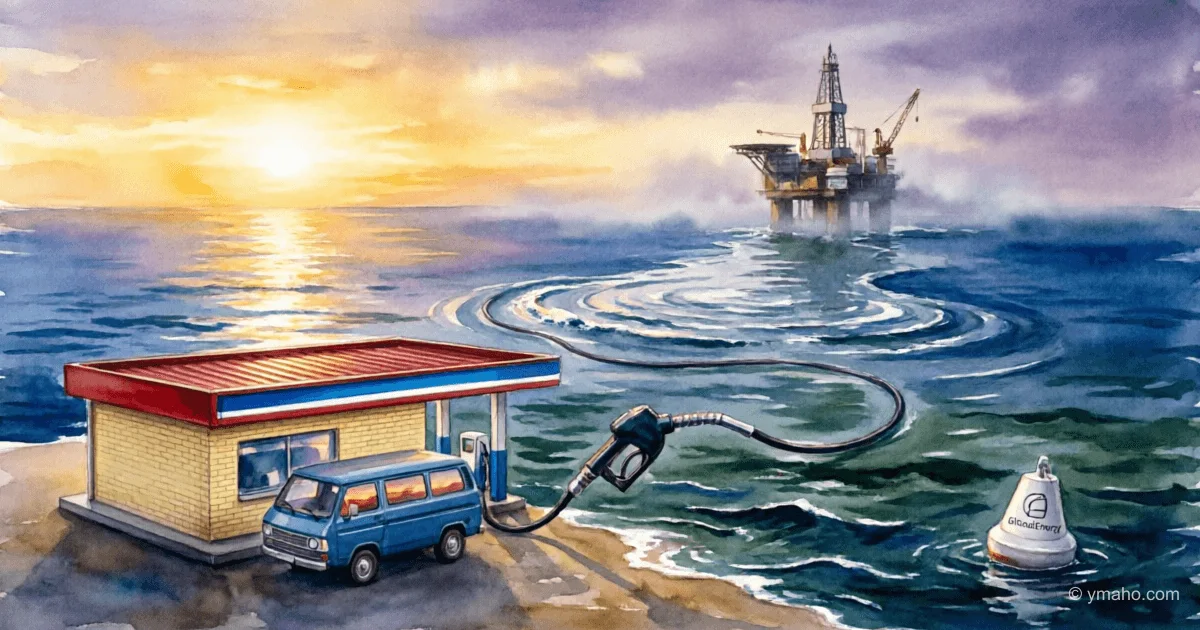
Analysts from the A-95 Consulting Group point out that European oil benchmarks fell for four consecutive days, while the futures market stabilized. Think of it like ripples on a lake: price swings in European oil markets spread globally, reaching even the most remote gas stations. When wholesale costs drop, retailers gradually adjust their pump prices accordingly.
However, major chains aren't rushing to change their tags. Why? They're still selling through inventory purchased at higher rates during the recent peak. It's similar to buying concert tickets at an inflated price due to scalpers, only for resale values to plummet later—you can't get that difference back. Retailers are waiting to clear out older stock before passing savings on to consumers.
Global Ripples: How Europe Impacts Ukrainian Gas Stations
Ukraine doesn't operate in a vacuum. Its fuel prices are directly tied to European benchmarks because the country relies heavily on imported refined products. Over the past few days, Brent crude prices (the global standard) have dipped amid expectations of softer demand and rising inventories.
Here’s what you need to know:
- European benchmarks are the main driver: Pump prices in Ukraine follow European trends with a slight delay, much like an echo. If prices drop in Europe, they'll typically follow in Ukraine within a few days.
- Wholesale leads retail: When wholesale costs fall, retail prices adjust after a short lag, depending on logistics and existing stock levels.
- Expensive inventory slows the decline: Major chains hesitate to cut prices quickly to avoid selling fuel below cost. It's like a retailer refusing to discount merchandise bought at a premium.
- LPG reacts quickly to volatility: Due to its distribution model, LPG prices shift faster since it's primarily sold in cylinders and isn't as reliant on bulk shipments.
Key Takeaways
- Global oil prices impact every liter in your tank, regardless of where you live. Events in Saudi Arabia or OPEC+ decisions can shift your local pump prices within a week.
- The price drop in Ukraine is part of a broader global trend driven by stabilizing demand and increased storage levels. This indicates the energy market is cooling off after its recent volatility spike.
- Until major chains fully adjust their pricing, the full impact of falling wholesale costs won't be felt. However, analysts expect the downward trend to continue as long as global prices remain steady.
What Does This Mean for Everyday Consumers?
If you're based in Ukraine, you may soon see lower pump prices, particularly at independent stations. For the rest of the world, it's a reminder that oil price fluctuations in Europe and Asia ripple through the global economy. Cheaper oil reduces transportation and manufacturing costs, which can eventually lead to lower prices for a wide range of goods. That said, any deterioration in the geopolitical landscape could quickly reverse these gains.
— Editorial Team









