How Gasless Swaps Are Changing Crypto Trading for Regular People
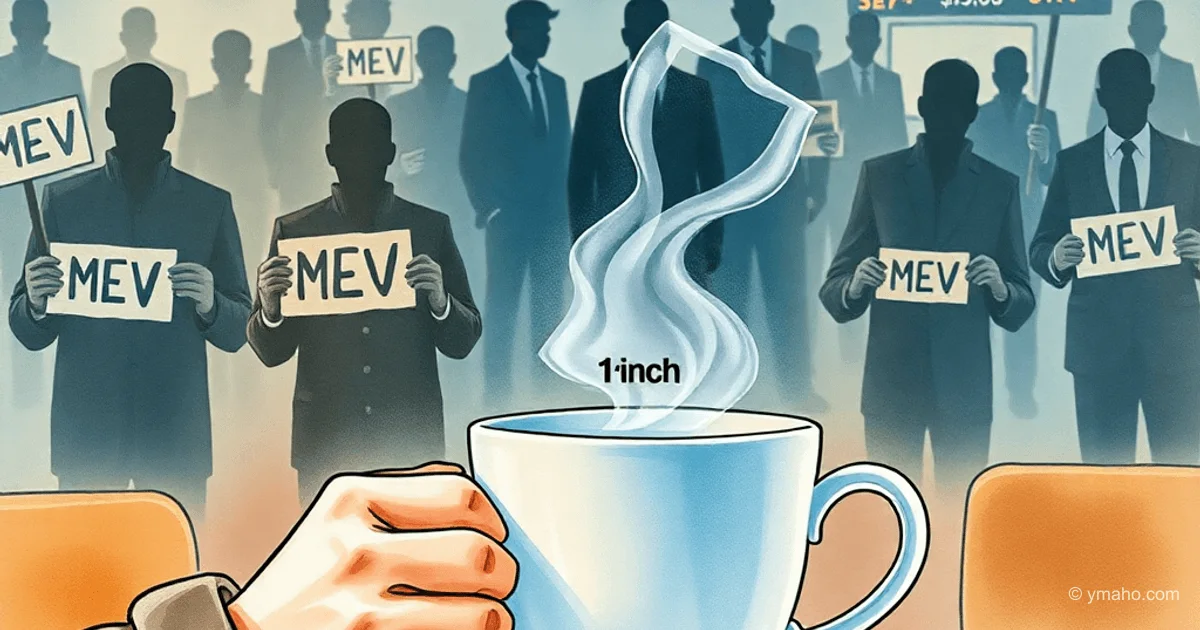
Imagine paying for coffee but never having to worry about the cashier suddenly raising prices because someone cut in line ahead of you. That's the promise of gasless crypto swaps — making digital currency trades smoother and cheaper for everyday users. If you've ever skipped a small crypto trade because fees ate your profits, this matters more than you think.
Why Crypto Swaps Feel Like Rush Hour Traffic
When you swap cryptocurrencies on blockchains like Ethereum, you're paying 'gas fees' — think of these as tolls for using the digital highway. During busy times (like when Bitcoin hits headlines), these tolls can skyrocket. A $10 trade might cost $5 in fees! Worse, your trade order sits visible in a public waiting area (the 'mempool') where sneaky bots spot it, jump ahead to buy the same coin, then sell it to you at a higher price. This 'MEV' (Miner Extractable Value) is like scalpers grabbing concert tickets and reselling them outside the venue.
Slippage makes things trickier. If you try to swap $50 of Ethereum for USDC during high traffic, the price might shift before your trade completes — leaving you with less than expected. For small trades, these invisible costs can turn profits into losses. It's why many beginners avoid DeFi (decentralized finance) entirely.
What Gasless Swaps Actually Mean (No Magic Involved)
'Gasless' doesn't mean free — it means someone else pays the blockchain toll for you. 1inch Fusion, a new system from the 1inch Network, works like this: You request a swap (say, 0.1 ETH for USDC), but instead of paying gas yourself, professional traders called 'Resolvers' compete to execute your trade. The winner pays the gas fee and takes a tiny cut from the trade itself — like a delivery driver paying for gas but charging a small service fee.
Here's the clever part: Because multiple Resolvers bid for your order, they try to offer the best price to win your business. It's like Uber drivers competing for your ride — the more drivers available, the better your fare. This competition naturally improves your swap rate while hiding your order from MEV bots.
How Gasless Swaps Work in 4 Simple Steps
- You enter swap details (e.g., '0.1 ETH for USDC') in a wallet like MetaMask
- Your order goes to 1inch Fusion's private matching pool — invisible to public bots
- Professional Resolvers submit competing offers showing exact prices they'll deliver
- The best offer executes your trade; you only pay the token amount (gas is covered)
Unlike traditional swaps where your order shouts its intentions to the whole network, Fusion keeps your trade request hidden until the last second. This 'dark pool' approach slashes MEV risks — like booking a private table at a restaurant instead of shouting your order across a crowded dining room.
Why This Beats Standard Swaps for Small Traders
| Feature | Traditional Swap | Gasless Swap (Fusion) |
|------------------|------------------------|------------------------|
| Gas Fees | You pay directly | Resolver covers them |
| Price Visibility | Public (bots attack) | Hidden until execution|
| Slippage Risk | Higher during traffic | Reduced by competition|
| Small Trade Cost | Often prohibitive | Makes micro-trades viable |
The real win? Gasless swaps turn blockchain trading from a high-stakes gamble into something resembling regular online shopping. No more holding your breath while watching fees climb as you click 'confirm'. For retirees testing crypto with $50 or artists selling NFTs, this removes a major headache.
Key Takeaways You Can Use Today
- Gasless swaps don't eliminate blockchain costs — they redistribute them to professionals who optimize execution
- MEV protection comes from hiding orders until the last possible moment, not complex tech
- Competition among Resolvers naturally improves prices (more bidders = better deals)
- Small trades become practical again — fees won't eat your entire investment
- Always check if your wallet supports gasless options before trading
What This Means for Regular People
You'll finally trade small amounts without worrying fees will wipe out gains. DeFi becomes less intimidating as hidden costs shrink. Most importantly, it brings crypto trading closer to the seamless experience we expect from apps like PayPal — just without the corporate middleman.
— Editorial Team









