Ukrainian Cheese vs. Europe: How War Is Reshaping the Global Dairy Market
Ahead of Easter, Ukrainian cheesemakers saw a sales boost thanks to promotions, but cheap European imports continue to pressure the market. Why does this matter to you? Because global food trade directly impacts shelf prices and demonstrates how regional conflicts disrupt supply chains worldwide. Even if you live on another continent, events in Ukraine can still affect the cost of your next meal.
Ukrainian Cheese in a Global Context
Ukraine ranks among the top 10 global milk producers. Its cheesemakers export to over 50 countries across Europe, Asia, and Africa. Since February 2022, however, the war has dealt a severe blow to the industry: factories have been destroyed, logistics routes disrupted, and operational costs have skyrocketed. Experts at Infagro note that pre-Easter sales only surged for producers who heavily leaned on discounts—like "buy one, get one free" deals or 20–30% price cuts. Demand traditionally dips after the holidays, so companies are holding back on ramping up production to avoid building up excess inventory.
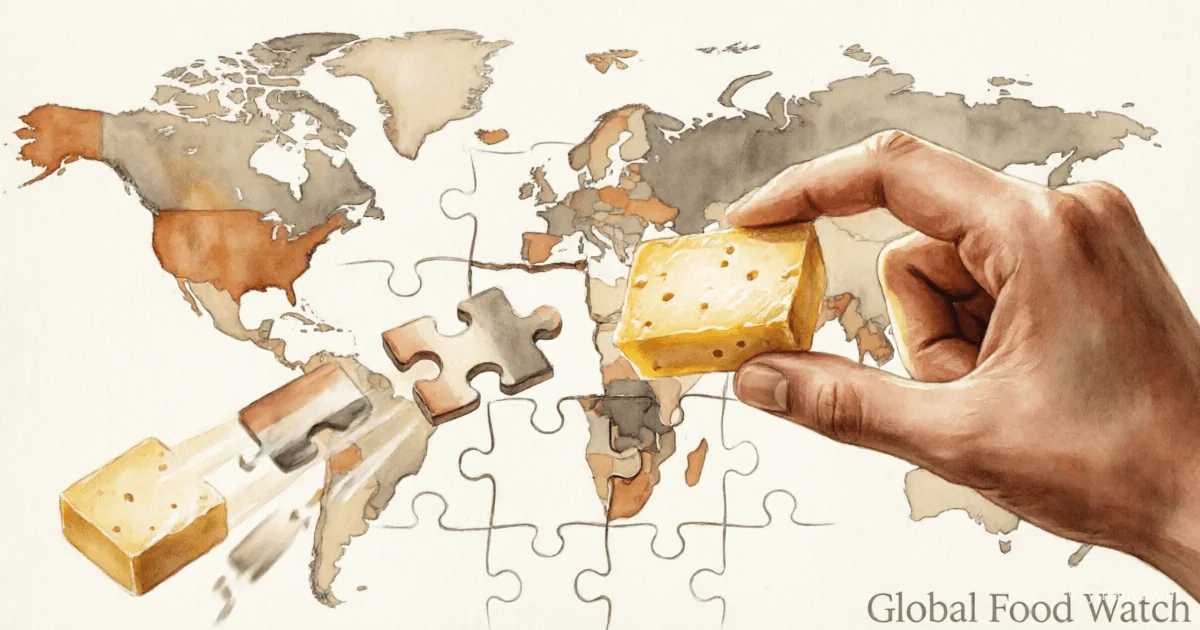
Think of the global cheese market as a massive jigsaw puzzle. Each country represents a single piece. When one piece (say, Ukraine) falls into crisis, putting the whole picture together becomes much harder. This ripple effect impacts product availability and pricing everywhere. For instance, if Ukrainian cheese vanishes from shelves, European producers might raise their own prices, knowing competition has weakened. That shift would ultimately hit your wallet.
European Competition: Cheap, But Complicated
Cheese prices in Europe have dropped by 15% over the past year due to oversupply. This makes imported products highly attractive to Ukrainian shoppers. Meanwhile, domestic producers are maintaining higher prices to offset rising feed and fuel costs. Their main sales strategy right now relies on frequent, steep discount campaigns.
It’s similar to when a large supermarket chain opens near your favorite local store. They offer the same goods at lower prices because they buy in bulk from numerous suppliers. The local shop is then forced to cut prices or find other ways to keep customers loyal—like offering exclusive varieties or personalized deals.
Import volumes into Ukraine are growing moderately (up 5–7% compared to last year), particularly in the hard and semi-hard cheese segments. While not yet critical for the industry, it warrants close monitoring. Experts warn that if this trend continues, domestic producers could lose significant market share. Small and medium-sized cheesemakers are especially vulnerable, as they lack the budget for large-scale marketing campaigns.
Export: New Horizons and Old Risks
Ukrainian cheesemakers are actively scouting new markets beyond Europe. Kazakhstan and Moldova remain the primary buyers for traditional cheeses. Processed cheese products, like melted cheese spreads, are selling well across the Caucasus and in Africa. For example, exports to African nations grew by 12% last year. However, exporting to the Middle East has become more challenging due to instability in countries like Lebanon and Iraq.
Here’s a snapshot of Ukraine’s cheese export landscape:
- Kazakhstan and Moldova: Primary markets for traditional cheeses with steady demand.
- The Caucasus: Rising sales of both cheeses and processed dairy products, particularly in Georgia and Armenia.
- Africa: Emerging export destinations (Nigeria, Kenya), though establishing a foothold takes time.
- The Middle East: Instability is disrupting melted cheese shipments, causing volumes to drop by 8%.
Export prices for traditional cheeses remain stable, while those for processed dairy products fluctuate. The market is currently stabilizing after a period of decline, but experts caution that geopolitical risks could trigger another price slump.
Key Takeaways
- Ukrainian producers are staying afloat through promotions, but competition from Europe is intensifying due to cheaper imports.
- Export diversification is vital for survival, yet geopolitical risks in emerging markets create hurdles (particularly in Africa and the Middle East).
- Global dairy supply chains remain fragile: conflicts and trade barriers impact product availability everywhere, including your home country.
- Seasonal spikes (like the pre-Easter rush) show how holidays drive market activity, but long-term trends hinge on stability and logistics.
What Does This Mean for Everyday Consumers?
If Ukrainian cheesemakers struggle to compete, stores may see a reduced cheese selection, and prices could rise even in other countries. Global supply chains are growing increasingly fragile due to wars and crises, directly impacting your weekly grocery runs. Every cheese purchase is part of a larger international story where each nation plays a role in getting food to your table. Supporting local producers helps preserve variety and keeps these complex networks resilient.
— Editorial Team









