Major Breach at Sanctioned Crypto Exchange: What’s Behind the Grinex Hack and Why It Matters for Global Markets
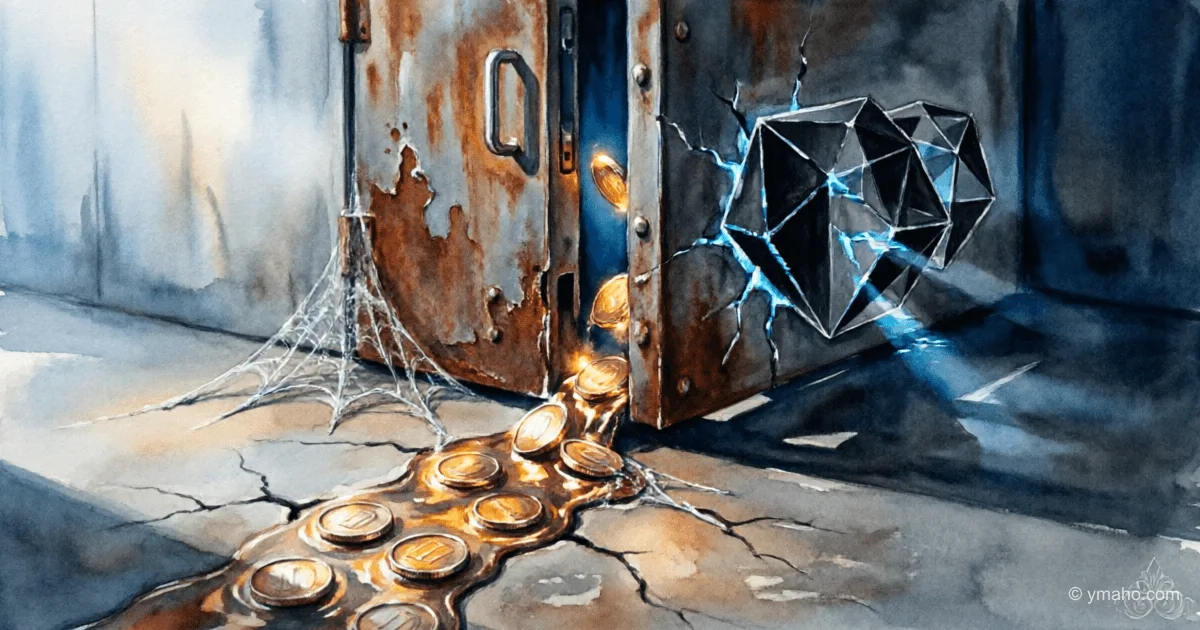
Imagine trying to transfer money through a locked door using a hidden trapdoor. That’s exactly how the Grinex crypto exchange operated—until hackers siphoned off $13 million worth of assets through that very backdoor. This isn’t just another cyberattack. It’s a clear lesson in how international sanctions, digital currencies, and geopolitics are tightly interwoven into a complex knot that directly impacts the global financial system.
What Actually Happened
Grinex, a cryptocurrency exchange registered in Kyrgyzstan but closely tied to Russian capital, abruptly suspended operations. Official reports state that unknown attackers breached the system and withdrew approximately one billion rubles’ worth of funds. The platform quickly claimed that "foreign intelligence agencies" were behind the attack—but so far, this remains an unsubstantiated theory with no public evidence. One fact is confirmed: the money is gone, and trading has halted.
Context is key. Last year, the United States, the United Kingdom, and the European Union added Grinex to their sanctions lists. The reason? The exchange helped clients bypass financial restrictions using a stablecoin called A7A5. A stablecoin is a digital token whose value is pegged to a traditional currency—in this case, the Russian ruble. Essentially, it’s a digital version of cash, easily moved across borders without touching conventional banks.
Why This Goes Beyond a Local Incident
After Russian banks were disconnected from the SWIFT international payment system, Moscow began actively building alternative routes for foreign trade. Cryptocurrency has become one such workaround. The A7A5 token, launched just months ago, has already processed over $9 billion in transactions through its network. This shows how rapidly shadow financial infrastructure adapts to strict limitations.
The Grinex hack highlights the vulnerability of this system. When funds are held on a centralized platform—even one designed to be highly secretive—they remain a target. A cyberattack on a sanctioned project demonstrates that digital workarounds are not immune to classic risks: hacks, internal failures, or external pressure.
• The exchange lost ~$13.1 million in a cyberattack.
• The platform was under sanctions by the U.S., EU, and UK.
• Its primary tool for bypassing restrictions was the ruble-pegged stablecoin A7A5.
• Claims of intelligence agency involvement remain unverified by independent investigations.
Key Takeaways
- Sanctioned crypto platforms are attractive targets for hackers due to weak regulation and large volumes of opaque funds.
- National-currency-pegged stablecoins are increasingly used for international trade outside banking restrictions.
- While the incident doesn’t affect major global exchanges, it reveals growing risks within the "gray" financial routing sector.
- Geopolitical tensions continue to drive the development of alternative payment systems operating parallel to traditional banking.
What This Means for Ordinary People
For most of us, this story won’t change grocery prices tomorrow morning. But it clearly illustrates how the global financial architecture is shifting. Money is increasingly flowing through digital channels that are harder to regulate—and easier to breach. If you store savings or invest, remember: any "workaround" financial instrument carries higher risk. And the global economy is becoming more dependent on technologies that operate in the shadows of traditional rules.
— Editorial Team









