Hedera Hashgraph: A Simple Guide to the Enterprise Blockchain
You've probably heard of Bitcoin, but what if there was a digital network designed for everyday business — one that's fast, cheap, and built to handle real-world tasks? That's Hedera, and it's not just for crypto enthusiasts. It could make online payments, identity checks, and even supply chains work better for all of us.
Why Old Blockchains Feel Like Rush Hour Traffic
Imagine trying to send a payment online, but the network is so slow and expensive it feels like being stuck in traffic. Traditional blockchains like Bitcoin and Ethereum often face this problem. They process transactions one by one in "blocks," which creates bottlenecks. Fees can spike when everyone tries to use the network at once — like surge pricing during a busy holiday sale. Hedera aims to fix this with a completely different design that avoids these jams entirely.
Hedera's Secret: The Gossip Network
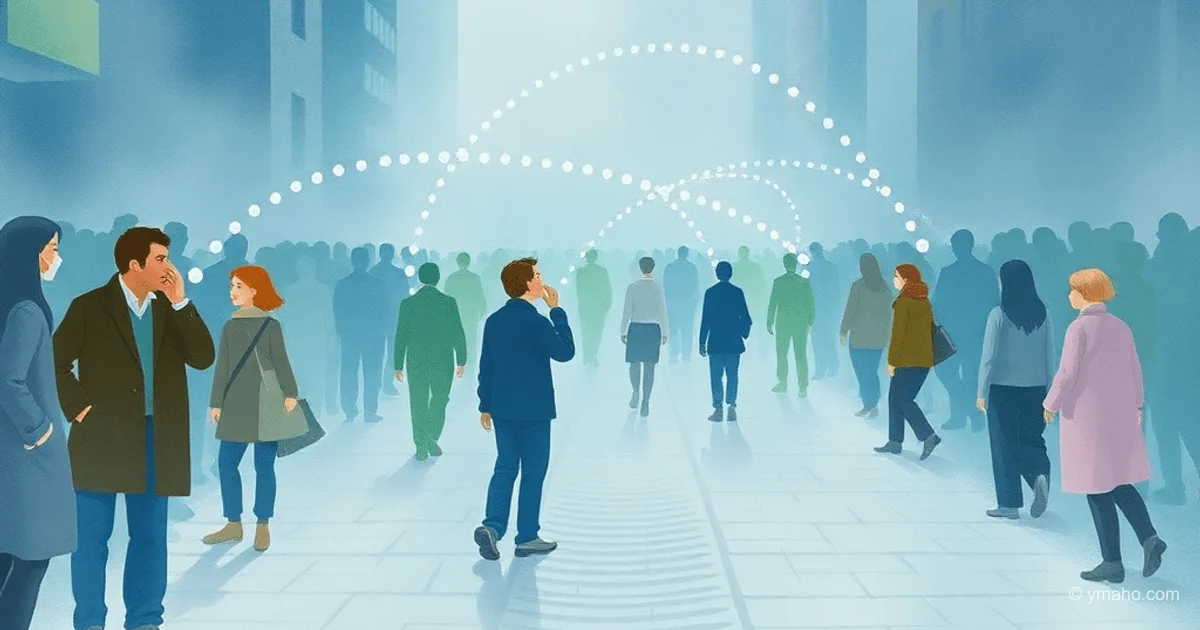
Hedera doesn't use a blockchain at all. Instead, it uses something called "Hashgraph." Think of it like a game of telephone, but supercharged. When you send a transaction, it instantly spreads to two random nodes (computers on the network), who each share it with two more, and so on. Within seconds, the entire network knows about it and agrees on the order — no voting required. This "gossip about gossip" method is why Hedera can handle thousands of transactions per second at near-zero cost. It's like replacing a single-lane road with a multi-lane highway where cars (transactions) flow freely in all directions.
How Hedera Stays Fair and Secure
Unlike most blockchains run by anonymous miners, Hedera is governed by a council of well-known companies like Google, IBM, and Boeing. Each council member operates a node, acting like a referee to keep the network honest. This isn't about control — it's about stability. For everyday users, this means fewer surprises and more reliable service, similar to how multiple airlines oversee air traffic control for safer flights. The council also sets predictable fees in USD terms, so you never get hit with unexpected costs.
What's HBAR and Why You Might Use It
HBAR is Hedera's native token, but don't call it "Hedera's cryptocurrency." It's more like digital coins for a vending machine. Every action on Hedera — sending money, verifying your identity, or checking a product's origin — requires a tiny fraction of an HBAR to cover the network's energy and computing costs. You won't hold HBAR in your wallet like cash; it's automatically deducted in the background, much like how your phone carrier deducts minutes when you make a call. The amount is so small (think fractions of a cent) that you'd barely notice it.
Real-World Uses That Affect You
Hedera isn't just for tech experiments. Big companies are already using it for things that touch your life:
- Faster, cheaper payments: Sending money overseas could take seconds instead of days, with fees under a penny. This could make services like PayPal or Venmo even more efficient.
- Safer digital IDs: Prove you're over 18 without revealing your birthdate or ID number. Imagine logging into a website without sharing your email — just a secure proof that you're who you say you are.
- Trusted supply chains: Scan a QR code on your coffee bag to see its journey from farm to shelf, with records that can't be faked. This helps fight counterfeit goods and ensures ethical sourcing.
Key Takeaways
- Hedera uses a "gossip network" (Hashgraph) instead of blockchain for speed and low cost, handling thousands of transactions per second.
- It's run by a council of big companies (like Google and IBM) to ensure stability and predictable fees.
- HBAR is the token that powers the network, used for tiny background fees — think fractions of a cent per action.
- Real-world uses include payments, identity, and supply chains, aiming to make digital interactions smoother and more trustworthy for everyone.
What does this mean for regular people? If Hedera succeeds, you might see faster and cheaper online payments, more secure digital IDs that protect your privacy, and even better tracking for the products you buy. It's one step toward a digital world that works as smoothly as the physical one.
— Editorial Team









