Body Balance Movement: Hormonal Yoga and Nutraceuticals for Women
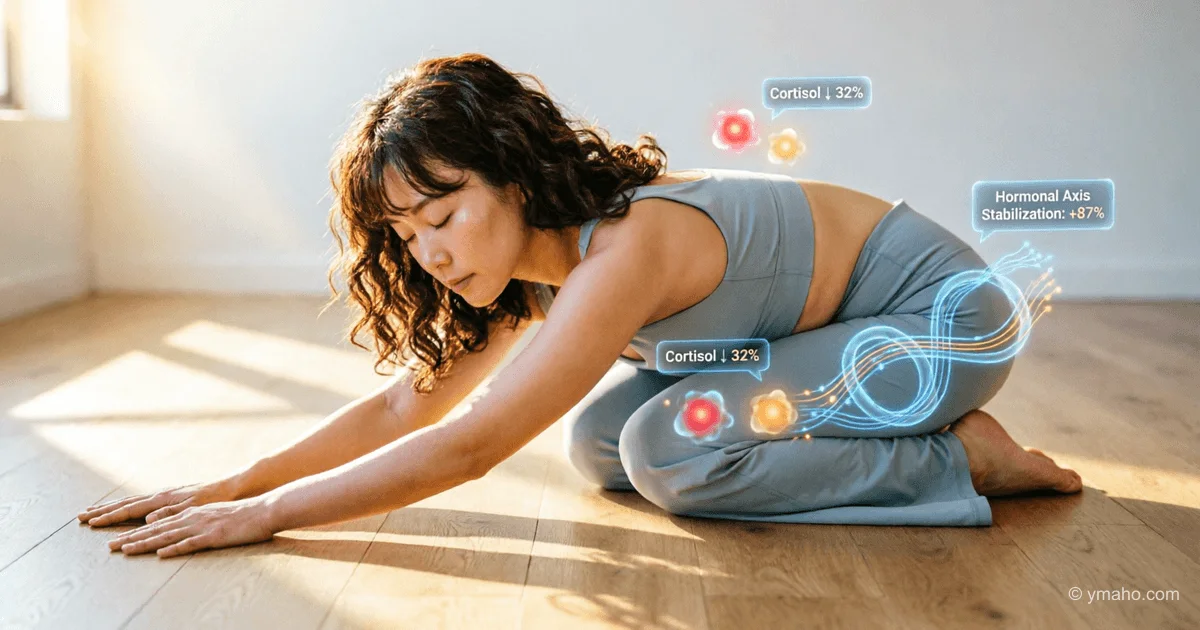
A comprehensive approach to women's health combines non-pharmacological hormonal correction through specialized yoga practices and nutraceutical intake. The main goal is cycle normalization and cortisol reduction without hormone therapy.
Introduction
The women's health market is undergoing a fundamental transformation. The fragmented approach, where symptoms were treated individually, is being replaced by an integrative model: hormonal balance, nutrition, stress, and physical activity are viewed as a single ecosystem. The "Body Balance" concept has become a landmark expression of this shift—it combines specialized yoga practices and nutraceutical intake into a system of non-pharmacological correction for women's health. The main goal is cycle normalization and cortisol reduction without hormone therapy.
Event Details and Timeline
The events of 2026 clearly structure this trend across science, market, and educational initiatives.
Scientific Foundation. In January 2026, the International Journal of Reproduction, Contraception, Obstetrics and Gynecology published a study by Kumaravelu and Bhartahi Dhevi V.R. titled "Yoga as a Therapeutic Modality for Hormonal and Metabolic Regulation in Premenopausal Women with Polycystic Ovary Syndrome." The study found that yoga practices correct not only metabolic parameters but also the hormonal profile in PCOS—one of the most common endocrine disorders in women of reproductive age.
In March 2026, the African Journal of Reproductive Health published a randomized controlled trial examining the effect of an educational program based on a self-care model combined with laughter yoga on chronic stress, menopausal symptoms, and salivary cortisol levels. Results showed statistically significant improvements in the intervention group (p=0.001), with cortisol reduction confirming positive physiological adaptation.
Simultaneously, the Journal of Clinical and Diagnostic Research (JCDR) presented a review titled "Novel Lifestyle Interventions and Alternative Therapies for Modulating Gut Microbiota in Women's Health." The review accumulated data on how diets rich in fiber and antioxidants, as well as yoga, meditation, and time-restricted eating, restore gut microbial diversity, which is critical for estrogen metabolism and systemic hormonal regulation.
Market Indicators. In February 2026, The Business Research Company published two key reports. The market for PMS and menstrual health supplements grew to USD 29.56 billion in 2026 (CAGR 7.8%), with a forecast of USD 40.39 billion by 2030. Growth drivers include rising interest in herbal formulas, magnesium, vitamin B6, and omega-3. Concurrently, the market for women's health and beauty supplements reached USD 101.02 billion in 2026 (CAGR 11.5%). Key trends include personalized nutrition and hormonal balance solutions.
Educational Context. In December 2025, Woman and Home Magazine outlined the contours of 2026: holistic wellness, personalized health technologies, and preventive medicine take center stage. Women increasingly seek non-pharmacological tools—from cycle tracking to stress management and hormonal transitions.
Impact and Significance
For Women's Health. The Body Balance concept addresses a key issue in modern gynecology and endocrinology: hypercortisolemia as a trigger for a cascade of hormonal disorders. Chronic stress suppresses the hypothalamic-pituitary-ovarian axis, leading to anovulation, irregular cycles, and exacerbation of PCOS and endometriosis symptoms. Yoga has been shown to reduce cortisol and CRP statistically significantly compared to control groups, transforming it from a complementary practice into an independent therapeutic tool. Nutraceuticals complete the picture: magnesium, vitamin B6, and omega-3 are not just supportive elements but modulators of neurotransmitter balance and prostaglandin synthesis, directly affecting menstrual pain and mood.
For the Market. The women's health supplement segment is growing at double-digit rates and is projected to reach USD 157.26 billion by 2030. This growth is fueled not only by demand but also by a structural shift: women increasingly view hormone therapy as not the only option and demand evidence-based alternatives. Yoga studios and wellness platforms gain a new audience, while supplement manufacturers have the opportunity to differentiate products through clinical evidence.
For Society. The Body Balance movement reflects a broader cultural shift: women are no longer passive recipients of medical services but active co-creators of their health. Open conversations about menopause, access to hormonal screening, and reduced stigma around female biology all fuel demand for programs like Body Balance.
Key Players' Reactions
Market reaction unfolds along several axes.
The Scientific and Medical Community is investing in the evidence base. Randomized controlled trials, such as the work by Karaoğlan Gülevi and Bebiş on the effect of laughter yoga on cortisol, lay the foundation for clinical guidelines. JCDR reviews expand understanding of mechanisms: the gut-hormone connection becomes an explanatory model for practitioners.
Nutraceutical Manufacturers are segmenting the market. Two main niches are forming: products for menstrual health (USD 29.56 billion in 2026) and a broader spectrum for women's wellness and hormonal support (USD 101.02 billion). Personalization is coming to the forefront—from multivitamin complexes to targeted formulas with omega-3 and herbal adaptogens.
The Wellness Industry is creating hybrid offerings. Yoga retreats, online platforms, and apps integrate protocols combining asanas, breathing techniques, and supplement recommendations. Competition shifts toward evidence-based effectiveness: programs backed by clinical data gain an advantage.
Forecast and Conclusions
The Body Balance trend will intensify along several vectors.
Short-Term (1–2 Years). Standardization of hormonal yoga protocols based on clinical research is expected. Nutraceutical formulas for different cycle phases and life stages—from menarche to postmenopause—will become a mandatory element of leading manufacturers' portfolios. The PMS supplement market, growing at 8.1% annually, and the broader women's health market with a CAGR of 11.7%, create a powerful economic incentive for accelerating innovation.
Medium-Term (3–5 Years). Convergence of digital technologies and hormonal monitoring will occur. Wearable devices and AI applications will track stress biomarkers (including cortisol) in real time and recommend personalized combinations of yoga practices and nutraceuticals. Integration with preventive medicine models will become standard: instead of treating symptoms, maintaining hormonal homeostasis at all life stages.
Long-Term Conclusion. Body Balance is not just a trend but a paradigm shift in women's healthcare. It marks the transition from reactive medicine to predictive and personalized care. Women in 2026 are voting with their wallets (and cortisol levels) for an approach where hormonal health is not corrected pharmacologically after the fact but supported through daily practices—movement, mindful nutrition, and targeted micronutrients. The industry responds with billion-dollar markets and clinical research. The next step is integrating Body Balance into mandatory health insurance protocols and corporate wellness programs.
— Editorial Team









