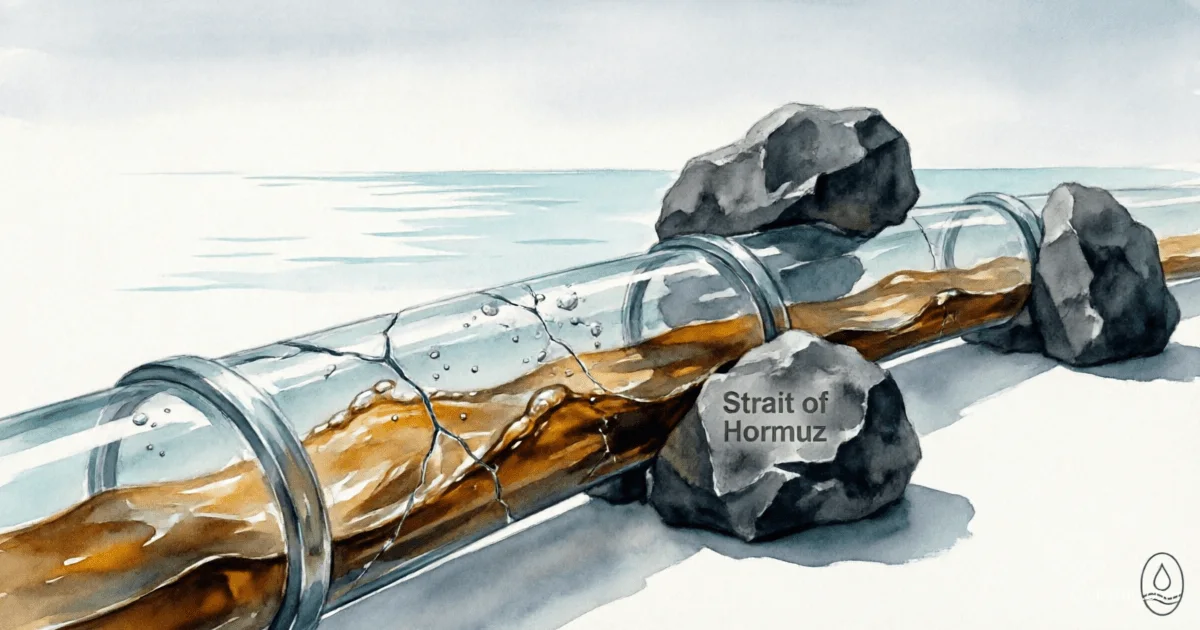
Iran Closes the Strait of Hormuz Again: Why This Changes the Game for Global Markets
Iran has once again blocked one of the world’s most critical maritime routes — the Strait of Hormuz. This is not just a political gesture: one-fifth of the world’s oil passes through this narrow waterway, and any disruption instantly affects fuel prices and the cost of goods worldwide.
Imagine if the main transport artery in your city were suddenly sealed off with concrete barriers. Fuel and cargo trucks get stuck in endless traffic jams, logistics collapse, and price tags in stores start climbing. The Strait of Hormuz functions exactly like that — only on a planetary scale. When it shuts down, the global economy immediately feels the shortage of its lifeblood: energy resources.
What Actually Happened
Iran’s military command officially announced it is reinstating strict control over the strait. The reason is both simple and complex: the U.S. has refused to lift its naval blockade of Iranian ports in the Persian Gulf. Tehran has labeled Washington’s actions as "piracy" and warned that the situation won’t change until American warships allow Iranian vessels to move freely along their usual routes.
Not long ago, tensions appeared to be easing. Amid a ceasefire in Lebanon, Iran had declared the strait open, and oil prices quickly stabilized, dropping below $90 per barrel. A barrel is a standard unit of oil measurement, equal to approximately 159 liters. But U.S. President Donald Trump made it clear: the port blockade will remain in place until all terms of the agreement are fully met. After that, Tehran reverted everything back to square one.
Why This Affects Everyone
The global oil market operates like a traditional pharmacy scale. On one side: demand from factories, transportation, and power plants; on the other: supply from oil-producing nations. When a key route is blocked, the supply side abruptly tips upward, disrupting the balance. Shipowners are forced to seek longer detours, insurers raise risk-based premiums, and these costs are automatically passed on to the end consumer.
Here are the key factors currently driving the market:
• Physical supply constraints — tankers simply can’t take their usual short route.
• Rising insurance premiums — shipping through conflict zones becomes several times more expensive.
• Psychological impact — traders preemptively factor in prolonged disruptions into current prices.
• Response from major economies — importing countries begin urgently seeking alternative suppliers.
It’s important to separate confirmed facts from speculation. At this point, we know for certain about the Iranian military’s statement and the firm stance of the U.S. However, it remains unclear whether the strait will be fully closed or if this involves intensified inspections and targeted delays. Markets react to the mere possibility of disruption, not just actual tanker stoppages.
Key Takeaways
• The Strait of Hormuz is a critical node in global energy logistics, carrying around 20% of all oil.
• Port blockades and Iran’s countermeasures create a classic "mirror pressure" scenario, where both sides use trade routes as leverage.
• Energy prices are highly sensitive to regional news, even if actual supply volumes haven’t yet declined.
• Diplomatic negotiations or further escalation will determine whether this becomes a temporary storm or a prolonged crisis.
What does this mean for ordinary people? If tensions persist, rising oil prices will gradually seep into gasoline, heating, and delivery costs. It won’t happen overnight, but within a few weeks, you might notice that everyday purchases and trips have become slightly more expensive. Keeping up with global news right now is simply useful for planning your budget ahead of time.
— Editorial Team









