Intuitive Eating 2.0: Combining with Glycemic Index Control
Popular diets are moving away from strict restrictions, integrating the principles of intuitive eating with blood sugar control. The new approach doesn't ban foods but encourages mindful combinations to avoid sharp glycemic spikes for stable energy and weight management.
Intuitive Eating 2.0: Combining with Glycemic Index Control
Introduction
For decades, dietetics had two irreconcilable camps. The first insisted on strict control: calories, grams, meal times, and rigid lists of forbidden foods. The second promoted an intuitive approach—eat when hungry, stop when full, and don't demonize carbs. By 2026, it became clear: both strategies alone fail. Strict control exhausts the psyche and leads to long-term relapse, while a pure intuitive approach without understanding metabolic processes may not deliver desired health outcomes. The industry's answer was the birth of a hybrid model—Intuitive Eating 2.0, where freedom of choice is combined with glycemic index control and mindful blood sugar management.
Event Details and Timeline
Events from 2025–2026 shaped this trend on multiple levels.
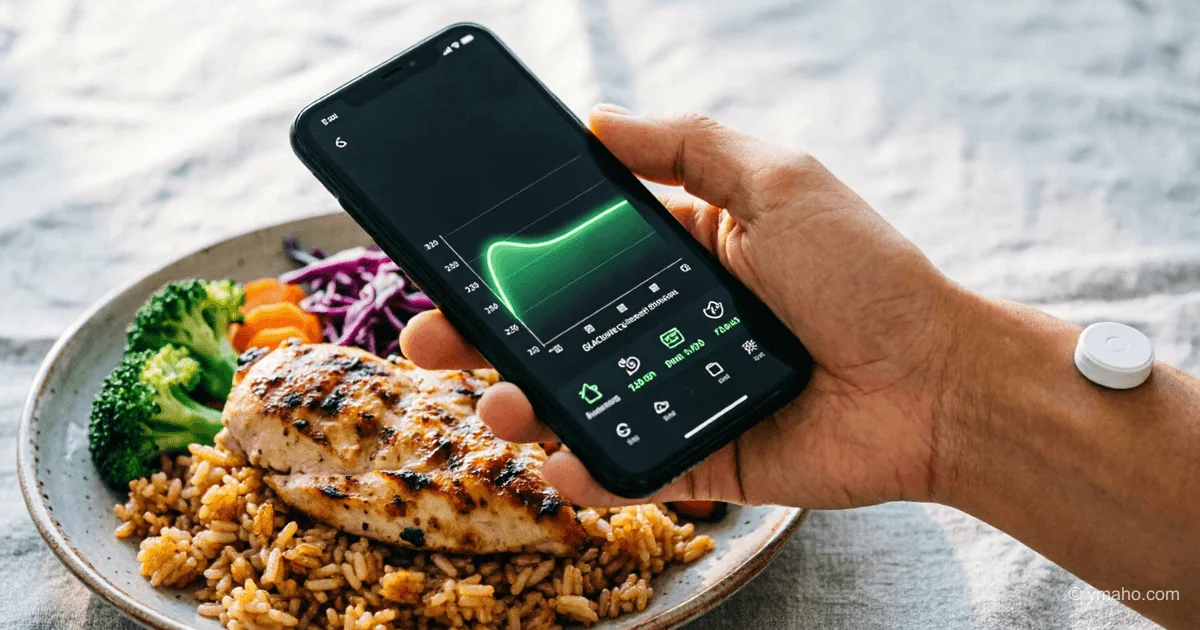
In January 2026, at CES in Las Vegas, Abbott introduced Libre Assist—a generative AI-powered feature integrated into the FreeStyle Libre continuous glucose monitoring app. Unlike traditional food diaries that analyze meals post-hoc, Libre Assist lets users photograph or describe a meal before eating and receive a glycemic impact prediction with color coding: green (minimal), yellow (moderate), and orange (significant). The app also offers practical tips to reduce that impact—for example, changing the cooking method or adding protein and fiber.
Almost simultaneously, in February 2026, competitor Dexcom announced expanded AI features in the Stelo platform—the first over-the-counter glucose biosensor approved by the FDA. The new version includes a database of over one million products with breakdowns by calories, protein, fat, and carbs, allowing users to see how specific macronutrients affect their glucose. Stelo also introduced a Daily Insights card system, using behavioral science to build sustainable habits. Both Abbott and Dexcom technologies target not only diabetics but also a broader audience interested in metabolic health.
Alongside technological progress, the scientific foundation strengthened. A study published in Topics in Clinical Nutrition in early 2026 examined the link between intuitive eating and body composition and biochemical markers. Results showed that higher intuitive eating scores were associated with lower BMI, lower body fat percentage, and lower fasting glucose levels.
Simultaneously, a study published in Revista Española de Nutrición Humana y Dietética and indexed in FAO AGRIS revealed an important nuance: mindful eating positively correlates with weight control, but intuitive eating alone is insufficient for optimal glycemic control in patients with type 2 diabetes. This gap is exactly what the 2.0 concept fills—adding awareness of glycemic load to the body's intuitive signals.
In March 2026, educational medical platforms like Dietitian Live began publishing guides on intuitive eating for diabetics, based on over 200 scientific studies. Findings confirmed that mindful eating practices reduce fasting glucose and HbA1c over 12 months. Specialists at Vanderbilt Health Clinic in April 2026 emphasized: intuitive eating is not "eat whatever you want," but developing a "health-supporting mindset" where one learns to distinguish physical hunger from emotional hunger and choose what is truly nourishing.
Impact and Significance
For the consumer. Intuitive Eating 2.0 solves the key problem of previous approaches—the dichotomy of "either control or chaos." People no longer have to choose between rigid discipline and total dietary anarchy. CGM technologies and AI assistants provide real-time feedback: users see that a serving of white rice causes a sharp glucose spike, while the same rice with vegetables and chicken produces a gradual rise. This fosters understanding, not prohibition, ensuring long-term adherence.
For the industry. The wellness tech market is shifting from passive tracking to active prediction. As Mark Taub, Abbott's vice president of diabetes technical operations, noted: "People don't just need apps that log food and don't help with meal choices. Libre Assist is a free predictive tool that provides personalized guidance at the moment of decision." The economic potential is enormous: according to Arizton, the US CGM device market reached USD 6.84 billion in 2025 and continues to grow. Removing the prescription barrier for Stelo expands the audience from diabetics to anyone interested in metabolic health.
For healthcare. Intuitive Eating 2.0 bridges clinical dietetics and everyday habits. Studies show that mindful eating programs are comparable to traditional diabetes education in reducing glycated hemoglobin. This opens the door for integrating such approaches into clinical protocols—not as replacements but as complements to medication therapy.
For society. The trend democratizes metabolic literacy. Until recently, the glycemic index was the domain of dietitians and professional athletes; today, it becomes understandable and accessible through apps. As one early Libre Assist user put it: "Traditional food diaries left me guessing. Now I can see how a meal will affect my glucose before I eat it—especially useful at restaurants or when trying new foods."
Key Players' Reactions
Market reactions are unfolding along several strategic lines.
Technology companies are investing in AI prediction. Abbott integrates generative AI into the CGM ecosystem, allowing users not just to measure but to predict. Dexcom advances gamification and behavioral science: the Daily Insights card system delivers up to three personalized recommendations per day based on glucose, activity, nutrition, and sleep, using day-to-day context for sequential coaching.
Medical institutions are shifting from dictation to partnership. Vanderbilt Weight Loss Center implements protocols where specialists don't prescribe menus but teach patients to recognize hunger and satiety signals while advising on glycemic load. This is a systemic shift from a "doctor-commander" model to a "doctor-mentor" model.
Educational platforms are building the evidence base. Dietitian Live aggregates over 200 studies showing that mindful eating improves HbA1c, body image, and overall well-being. The 2026 Topics in Clinical Nutrition publication adds a link to body composition: intuitive eating correlates with lower body fat percentage and normal fasting glucose.
The consumer segment is polarizing. For people with type 2 diabetes, Libre Assist and Stelo become practical daily management tools; for healthy users, they serve as prevention and energy optimization. The market responds by expanding accessibility: Stelo as an over-the-counter product opens CGM to tens of millions of new users.
Forecast and Conclusions
The development of Intuitive Eating 2.0 will be shaped by several factors.
Short-term (1–2 years). AI assistants will become standard features in CGM apps. Competition between Abbott and Dexcom will accelerate innovation in predictive algorithms and personalization. Technology that was once prescription-only and niche will become consumer mainstream—much like fitness trackers evolved from athlete gadgets to mass accessories.
Medium-term (3–5 years). CGM data will converge with other biometrics—heart rate variability, sleep quality, cortisol levels. A unified platform will provide recommendations not only for nutrition but also for physical activity, rest, and stress management. Intuitive Eating 2.0 will integrate into a broader preventive healthcare ecosystem.
Long-term conclusion. Intuitive Eating 2.0 is not a compromise between control and freedom but a synthesis of the best elements of both approaches. The 2026 consumer wants not prohibitions but understanding; not rigid rules but personalized insights. In this paradigm, the glycemic index is not a tool of restriction but a source of information for mindful choice. As Dr. Bradley from Vanderbilt aptly put it, intuitive eating develops a "health-supporting mindset" where people care for their bodies not out of fear but out of a desire to do something good for them. This shift in motivation—from external control to internal awareness—is the essence of the new era of dietetics.
— Editorial Team









