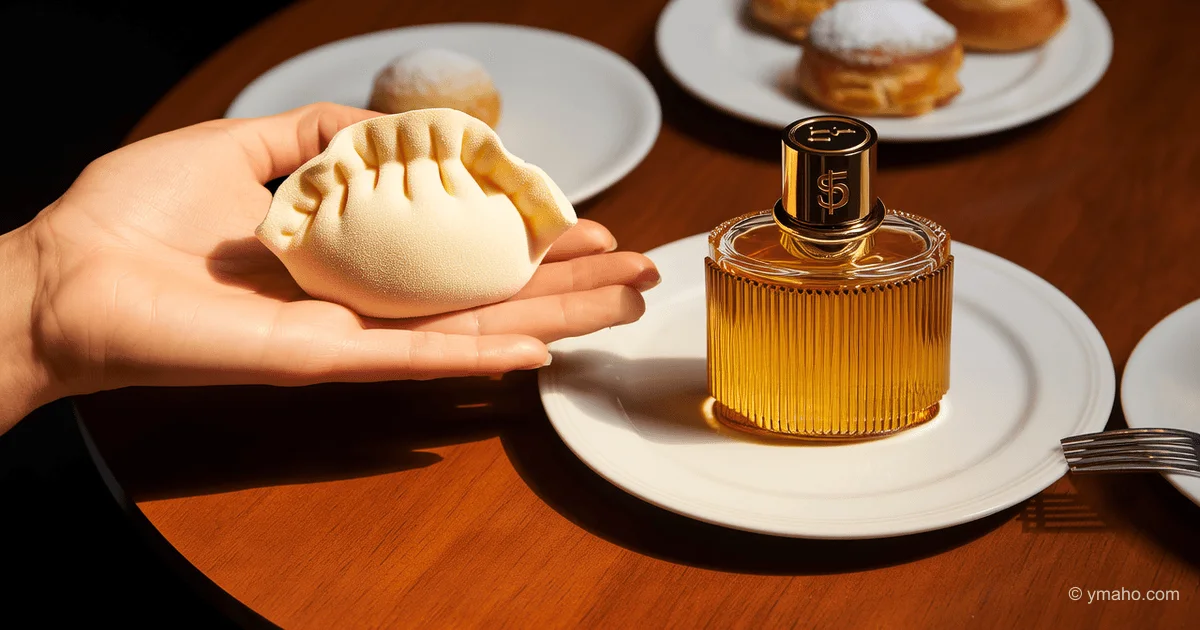
Trend 2026: Little Joys from Squishy Toys to Personalized Beauty Rituals
Analysts are seeing demand for inexpensive, tactile, and visually pleasing products. From collectible plush toys and friendship bracelets to hyper-specific nail art styles, consumer culture is shifting towards micromoments that deliver quick joy.
The Micro-Joy Economy: Why in 2026, Small Pleasures Have Become the Main Consumer Currency
What's Really Happening
We are not just witnessing another wave of viral trinkets, but a fundamental shift in consumer logic. From squishy toys to designer matchboxes by Cartier for £235, the culture of "little joys" has taken over the 2026 market. But this is not the infantilization of society or an escape from reality into soft toys. It is a rational, almost mathematical response from consumers to a world where "big rewards"—a home, a pension, a stable career—have become unattainable or indefinitely postponed.
The key word here is "achievability." A squishy toy costs a few dollars and provides tactile relief here and now. A kandi bracelet takes time to weave—and that time turns into a colorful object that can be worn, gifted, and used as a social signal. A hyper-specific nail art style—"Russian manicure," "buttery yellow," "chrome variation"—requires money and time but delivers immediate, visible, and discussable identity.
What unites all these practices is one thing: they compress the fantasy of well-being into a single actionable step. And that is their quiet revolution.
Timeline and Context
The story developed rapidly—from niche TikTok flash mobs to analytical reports from major consulting firms.
2023: The "Little Treat Culture" is first noted as a noticeable behavior on TikTok. Consumers start sharing rituals: "a little sweet treat after work," "expensive coffee because I deserve it." This is not yet a trend—just scattered signals.
2025: The signals coalesce into a pattern. The Future Laboratory publishes the Future Forecast 2026 report, introducing the concept of "Magnificent Minis"—mini formats that evolve from travel sizes into standalone tools for emotional engagement. Sephora, Target, and Superdrug report explosive growth in the miniatures category. Ulta Beauty notes that Gen Z collects miniatures as aesthetic objects, not just beauty products.
Meanwhile, Kantar identifies a trend toward "little joys" as a response to cost-of-living pressures. In the UK, sales of designer matchboxes at Selfridges surge by 121%. Joe Laing, who creates ceramic matchboxes for £70, can't keep up with demand.
By May 2026: Made-in-China Insights includes squishies, kandi bracelets, and olive-lemon shots in a single report on "small trends" with a high mood-to-cost ratio. McCann México publishes data: 40% of Gen Z intentionally budgets for "little indulgences," and 20% treat themselves daily. Nearly half of Americans regularly seek small pleasures, 62% consider them part of their self-care routine, and most such purchases are under $5.
Who Wins and Who Loses
Winners are manufacturers of "compact" products with high emotional payoff. The mini-format beauty market is booming: miniatures grow faster than full-size products because they offer "affordable luxury"—a premium experience at a low entry price. A telling example: Dove's collaboration with dessert brand Crumbl—a limited-edition line of body washes with cookie scents—generated 3.2 billion social media views, with 52% of buyers being new to the brand.
Bakeries, cafes, and dessert shops that have restructured their menus around "small formats" are winning. A $5 cookie with imported chocolate and brown butter, mini tarts, single-serve ice cream with unusual flavors (pistachio, ube, black sesame)—all generate repeat traffic and allow consumers to "sample luxury" without ordering a whole cake or dinner.
Luxury brands launching "entry points" are winning: keychains for $120 from Longchamp and Loewe, mini versions of perfumes and cosmetics. This allows consumers to access the luxury world without spending a fortune and creates an emotional connection that may later convert into a full purchase.
Losers are brands that build their business on "big" purchases and do not offer micro-formats. Full-service restaurants are losing traffic as consumers switch to a $5 dessert instead of a $25 dinner.
The concept of "status consumption" in the classic sense is also losing. A hand-woven kandi bracelet does not signal wealth—but it does signal community belonging and the time invested in the object. For a generation that values authenticity over conspicuous consumption, this is a stronger signal than a logo.
What the Media Isn't Saying
Insight: "Little joys" are not just spending—they are a mechanism of emotional self-regulation in the era of PUMO.
The analytical framework PUMO (Polarization, Unthinkable events, Mistrust, Overload) explains why the 2026 consumer behaves this way. When the future is unpredictable, long-term plans lose meaning, and news brings one disaster after another, people do not give up consumption—they give up betting on the future.
A "little joy" is not a reward for achievement. It is an anchor. Drink a $6 specialty coffee—and get five minutes of guaranteed pleasure in a world with no guarantees. Buy a squishy dumpling toy—and there it is, tactile comfort that requires no subscription and won't be outdated in a week.
McCann researchers put it precisely: "This is not indulgence, but emotional well-being and daily resilience." Nearly a third of Gen Z chooses "little daily joys" as a conscious strategy. These are not spontaneous purchases—they are planned rituals of self-preservation.
Insight number two: The line between "mass" and "luxury" is blurring because consumers are willing to pay a premium for micro-formats.
Sales of designer matchboxes at Selfridges are not an anomaly. This is the "lipstick effect" in its purest form: during economic downturns, consumers replace expensive luxury items (designer handbags) with more affordable pleasures (£235 matches). But in 2026, this is not a forced measure—it is a conscious choice.
Consumers have discovered that the joy of owning a Cartier matchbox can be comparable to the joy of a handbag—but costs ten times less and requires no credit. This radically changes the math of luxury consumption: luxury brands now compete not with each other for the customer's wallet, but with coffee shops, bakeries, and squishy toy makers.
Insight number three: Micromoments create a new economy of repeats.
A one-time big purchase is a single dopamine spike. A daily ritual with a little joy is a recurring dopamine stream. Bakeries that release weekly seasonal flavors create infrastructure for regular visits: customers return not because they are hungry, but because they want to see what's new.
The same logic works in beauty: miniatures and hyper-specific nail art styles create an endless field for micro-variations, each of which is a reason to buy and discuss. Consumers never get saturated because the offering is constantly renewed.
Forecast
Next 30 days (until mid-June 2026):
The squishy trend will peak before summer break. Retailers that missed the Easter wave with dumpling toys will rush to stock summer variations—squishies shaped like fruit, ice cream, beach accessories. Meanwhile, expect a wave of collaborations between beauty brands and confectionery makers: Dove × Crumbl created a template that others will start copying. Next in line are collaborations between skincare brands and bakeries or coffee shops.
Next 90 days (until mid-August 2026):
By the end of summer, "micro-joys" will begin to institutionalize. The first subscription services for "little pleasures" will appear—monthly boxes with mini-formats, squishies, bracelets, and discount coupons for specialty coffee. Retailers will start designating special "little treats" zones at checkout—with items under $10, optimized for impulse buying.
A key risk is saturation and consumer fatigue. When every bakery offers a "black sesame cookie" and every brand releases a "$120 keychain," uniqueness fades. The next round of competition will not be about price, but about narrative: whose "little joy" tells a more compelling story of care, belonging, and identity.
Strategic takeaway: "Little joys" are not just a niche trend of 2026. They are a new grammar of consumption. Brands that learn to design micro-moments with high emotional density—whether a tactile toy, a sip of lemon-infused oil, or a perfectly executed nude manicure—will win not just a season, but an entire generation of consumers who have redefined "luxury" from "expensive and rare" to "accessible and repeatable."
— Editorial Team









