Tonight's Sky Show: The Lyrid Meteor Shower Explained
Tonight, the Lyrid meteor shower will put on its best performance of the year, offering a free, natural light show for anyone who looks up. This matters to you because it’s a chance to witness a beautiful and ancient connection between our planet and a comet that visits our solar system only once every few centuries.
What’s Happening Tonight
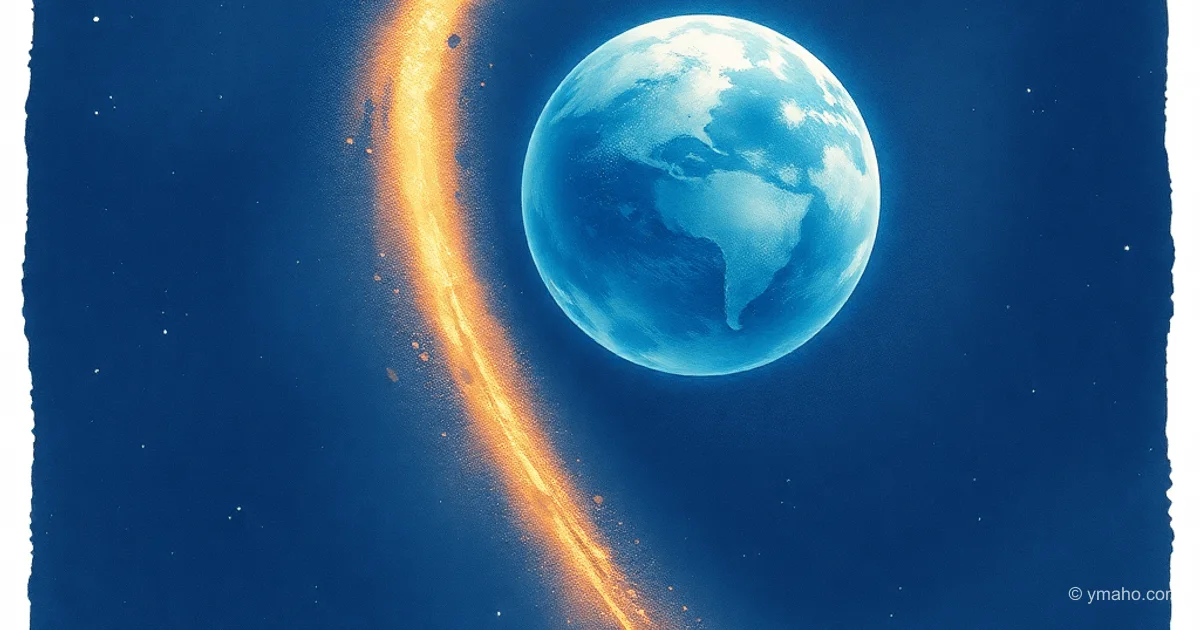
The Lyrid meteor shower peaks in the early morning hours of April 22. Imagine Earth is like a car driving through a cloud of dust. Every year around this time, our planet travels through the trail of debris left by a comet named Thatcher. When those tiny pieces of comet dust hit our atmosphere, they burn up in bright, quick streaks we call meteors. Tonight, we’re passing through the thickest part of that dust cloud, so the show will be most intense.
Under perfect, dark-sky conditions, you might see up to 20 of these ‘shooting stars’ per hour. Some can be especially bright, creating dramatic flashes known as fireballs. The viewing setup is favorable this year because the moon will set around midnight, leaving darker skies for the main event before dawn.
Your Guide to Watching
You don’t need any special equipment to enjoy this. Your own eyes are the best tool. Here’s how to get the most out of the experience:
- Find a Dark Spot: Try to get away from city lights. Even a backyard or a local park can work.
- Let Your Eyes Adjust: Once outside, give your eyes 20 to 30 minutes to adapt to the darkness. Avoid looking at your phone screen, as the bright light will reset your night vision.
- Look Up and Relax: The meteors can appear anywhere in the sky. The best strategy is to lie back, look at a wide area of the sky, and just wait. They often come in little groups, so give yourself at least an hour to watch.
- Know When to Look: The best time is after midnight, especially in the hours just before dawn. By then, the part of the sky where the meteors seem to come from is higher up, and the moon is gone.
The Story Behind the Streaks
Each Lyrid meteor is a tiny piece of Comet Thatcher. A comet is like a dirty snowball made of ice, rock, and dust traveling around the sun. As it gets close to the sun, the ice melts and releases dust and gas, leaving a long trail of debris in its orbit. Comet Thatcher is a ‘long-period comet,’ which means it takes a very long time to complete its orbit—about 415 years. It last came close to Earth in 1861, and we won’t see it again until the 2270s.
But we encounter its dust trail every year. When one of those dust particles, often no bigger than a grain of sand, hits Earth’s atmosphere at tremendous speed, it compresses the air ahead of it so violently that the air heats up and glows. That glowing trail is the meteor we see. It’s a brief, brilliant end for a piece of a comet that has been traveling through space for centuries.
Why This Matters Beyond the Beauty
Watching a meteor shower connects you to a larger cosmic process. It’s a reminder that our planet is constantly moving through a dynamic solar system, interacting with ancient visitors. It’s also a shared human experience; people have been watching and recording the Lyrids for over 2,700 years.
Key Takeaways:
- The Lyrid meteor shower peaks tonight, April 21-22, with the best viewing after midnight.
- You’re watching pieces of Comet Thatcher, a visitor from 1861, burn up in our atmosphere.
- No special gear is needed—just find a dark spot, let your eyes adjust, and look up.
- The moon sets early, making skies darker for optimal viewing this year.
- This annual event is a tangible link to the cycles and history of our solar system.
What Does This Mean for Regular People?
It means you have an opportunity tonight to see a simple, awe-inspiring natural event for free. It’s a chance to step outside, slow down, and look up at a story that connects Earth’s yearly journey to a comet’s ancient path. In a busy world, it’s a reminder of the quiet, constant wonders happening above us all.
— Editorial Team









