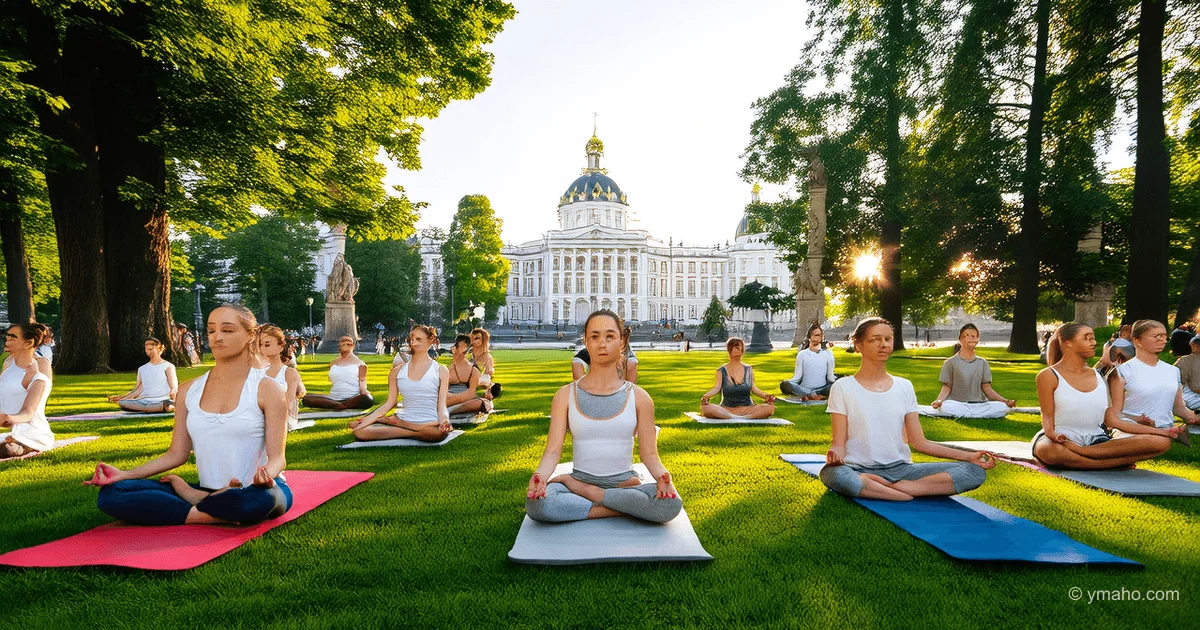
Moscow to Host 3rd International Meditation Day at Tsaritsyno
On May 24, 2026, the Tsaritsyno Museum-Reserve will host a large-scale festival featuring breathing practices, aromatherapy, neuro-exercises, and concerts, timed to coincide with World Meditation Day.
Meditation at Tsaritsyno: Why a Free Festival Is a Multi-Million Dollar Business Flywheel
The Gist: What's Really Happening
On May 24, 2026, the Tsaritsyno Museum-Reserve will host the 3rd International Meditation Day — an open-air festival with breathing practices, neuro-exercises, and concerts, organized by the company Organic People. The media paint a picture of an enlightened celebration. I see one of the most efficient machines for converting attention into capital on the Russian wellness market.
At first glance, everything is free: free entry to the grounds, music, a local brand market. But you have to pay for the practice tents. This is a classic freemium model perfected: headliners like Sati Kazanova and health coach Irina Nikulina drive traffic, while paid zones monetize it.
In 2024, the Russian wellness retreat market was valued at $140.73 million, and by 2033 it is projected to reach $301.27 million, with a CAGR of 8.82%. Meditative retreats are the fastest-growing segment of this market. The Tsaritsyno festival is not charity; it's a showcase for an industry growing four times faster than pharmaceuticals.
Timeline and Context
Let's reconstruct the actual chain of events.
2012. Organic People launches its first social project, "Yoga in Parks." This will be followed by "Meditation in Parks" and International Yoga Day — by 2026, each such event attracts over 100,000 people.
December 2024. The UN General Assembly adopts a resolution establishing World Meditation Day on December 21. The initiative is promoted by six countries, including Nepal. Russia instantly integrates into the global agenda.
2025. The health & wellness market grows 7.3% annually. The Russian wellness economy exceeds 1.5 trillion rubles, with the mental health segment showing double-digit growth — plus 15–20% per year. Demand for psychologist services hits 15-year records, antidepressant sales rise, but more and more people seek alternatives without pills.
May 2026. The 3rd International Meditation Day at Tsaritsyno becomes the culmination of this trajectory. The program runs from 8:00 AM to 11:00 PM, with over 40 venues, separate stages for electronic music and jazz-funk. The name "Boiron" as one of the central spaces indicates the presence of a pharmaceutical sponsor — Boiron, a French manufacturer of homeopathic remedies. The logic is simple: where the audience interested in alternative medicine gathers, there are sales.
Who Wins and Who Loses
Organic People wins. Over 14 years, the company has built a funnel that any EdTech startup would envy. Free events in parks are the top of the funnel. Paid tents at festivals are the middle level of monetization. And at the exit — a loyal audience that can be led to retreats, educational courses, and premium products. Each such festival brings, by my estimates, between €150,000 and €250,000 in net profit from tent ticket sales alone.
Local wellness brands win. The Organic People Market is not just a market; it's an entry point for small producers of natural cosmetics, eco-products, and healthy food. Renting a space costs about €300–500, but provides access to the hottest audience: educated women aged 25–40, ready to pay for wellness.
The Boiron brand wins. Integration into a festival with aromatherapy and breathing sessions is a direct line to the target audience for homeopathy. The sponsorship package is estimated at €20,000–30,000, significantly cheaper than direct advertising with comparable reach.
Classic fitness clubs lose. The trend is moving away from "overcoming" and "achievement" toward soft practices and inclusivity. In 2025, 71% of new fitness points in Russia were studio-format yoga, not classic clubs. The Tsaritsyno festival symbolizes this shift: the client pays not for calories burned, but for an emotional reset.
Apps like Calm lose. The global meditation app market is experiencing a downturn. Calm lost about half its peak revenue; Headspace fell even more. The reason: users are tired of paying for content behind a paywall and are turning to free alternatives and offline practices. The Tsaritsyno festival with its freemium model is the offline analogue of Insight Timer, the only meditation app that grows in a declining market precisely because of free content.
What the Media Aren't Saying
First: the digital footprint as a business asset. Every visitor who scans a QR code to register for a practice leaves a contact. Multiply that by 100,000 people — and you get a database worth between €500,000 and €1 million on the market. Organic People monetizes this database for years, selling retreats (average ticket: €500–700) and teacher training courses.
Second: headliners work for access to the audience, not for money. Sati Kazanova, Natalie Osman, and other speakers are not so much musicians as wellness entrepreneurs. Each runs their own marathons, sells courses, or consults. Performing at the festival is lead generation for their own products. Fees are secondary.
Third: the psychological profile of the audience. 58% of consumers in Russia experience moderate or extreme stress daily. This audience — economically active women aged 25–40 — comes to the festival not for entertainment, but for systematic recovery. This is not a one-off event but part of a consumer trend: people are willing to pay for anxiety relief without pills.
Forecast: Next 30 Days and 90 Days
Next 30 days. After the festival, a wave of social media and media publications will follow, boosting Organic People's reach by 30–40%. Within two weeks, sales of spots for summer retreats will launch — in Krasnodar Krai and possibly Altai. Expected revenue: €400,000–600,000.
90-day horizon. By August 2026, we will see format expansion. Organic People will announce the 4th International Meditation Day for 2027, expanding to several cities. Simultaneously, new "democratic wellness" studios will open in Moscow and St. Petersburg — not fitness centers, but spaces for mental health. Investments in this segment will total €15–20 million by year-end.
Strategic forecast. The Russian meditation retreat market in 2026–2027 will follow Insight Timer's trajectory: the audience will tire of digital content and go offline for "real" practices. Companies building offline funnels now will dominate the market in two years. Organic People is one of the main beneficiaries of this shift.
Meditation at Tsaritsyno is not a spiritual celebration. It's a business flywheel where free entry is just the first touchpoint, and a paid retreat is the inevitable follow-up. And that flywheel is spinning faster and faster.
— Editorial Team









