Mindful Detox Retreats: Lanserhof Clinics as a Must-Visit for Health Reset
Among lifestyle trends — annual medical check-ups at premium wellness clinics like Lanserhof on the island of Sylt. The program includes a full blood panel, deep sleep, and caffeine withdrawal for a complete "recalibration" of the body, replacing classic SPA vacations.
The Essence: Medicine as a Status Ritual and the Redefinition of the Luxury SPA Market
Lanserhof on Sylt, opened after investments of EUR 120 million, sells not just a "mindful detox retreat" but a new type of status consumption where medical diagnostics become a luxurious commodity. In fact, we are witnessing a fundamental shift: wellness tourism, assessed by analysts as one of the fastest-growing segments of the travel industry, is mutating from hedonistic SPA into a "medically legitimate" ritual. The client no longer just wants a massage with a sea view. They need a blood test, cortisol levels, and a cardiologist's permission to feel "reset."
The true reason behind the hype around Lanserhof Sylt is not the uniqueness of its Mayr method. It is the identity crisis of the wealthy consumer who has already bought everything material and is now investing in biological capital. The seven-day Lanserhof Cure Classic program starts at EUR 7,120, and short "Longevity-Check" retreats start at EUR 1,368 for 2 nights. This is not an expensive vacation. It is an annual anti-aging insurance policy, packaged in minimalist design by Ingenhoven Architects and topped with Europe's largest thatched roof covering 17,000 sq m.
Timeline and Context: From Mayr Diet to Cardiology Caliphate
Lanserhof as a group began with the Lans location in Tyrolean Austria. Then came Tegernsee (flagship property with rates from EUR 8,175 for 7 nights) and Hamburg. But it is Sylt, which softly opened in April 2026, that marks a strategic pivot — a bet on a northern seaside resort with historically healing air, positioned as a center for "cardiological rehabilitation and treatment of respiratory diseases."
The medical director is Dr. Jan Stritzke, a cardiologist. Lanserhof Sylt deliberately integrates cardiology and somnology (sleep medicine) into its programs. This is no longer "Mayr-based intestinal cleansing" but a full clinical upgrade. The logic is ironclad: Sylt's wealthiest audience suffers from sleep problems due to stress, real estate prices, and existential anxiety. Lanserhof responds not with champagne and parties (as did the previous employer of new COO Christian Siegling — Severin's Resort), but with a strict resort regimen: silence after 7:00 PM.
An important contextual shift: the launch of the "Lans & Home" program for local residents with a daily rate starting at EUR 909. This is an attempt to solve the occupancy problem, which insiders say is "just under 50%." Lanserhof Sylt, costing EUR 120 million, cannot exist as a closed monastery for the elite. It is forced to open its doors to the local market, turning an exclusive retreat into something like a "subscription to immortality" for wealthy Sylt residents.
Who Wins and Who Loses
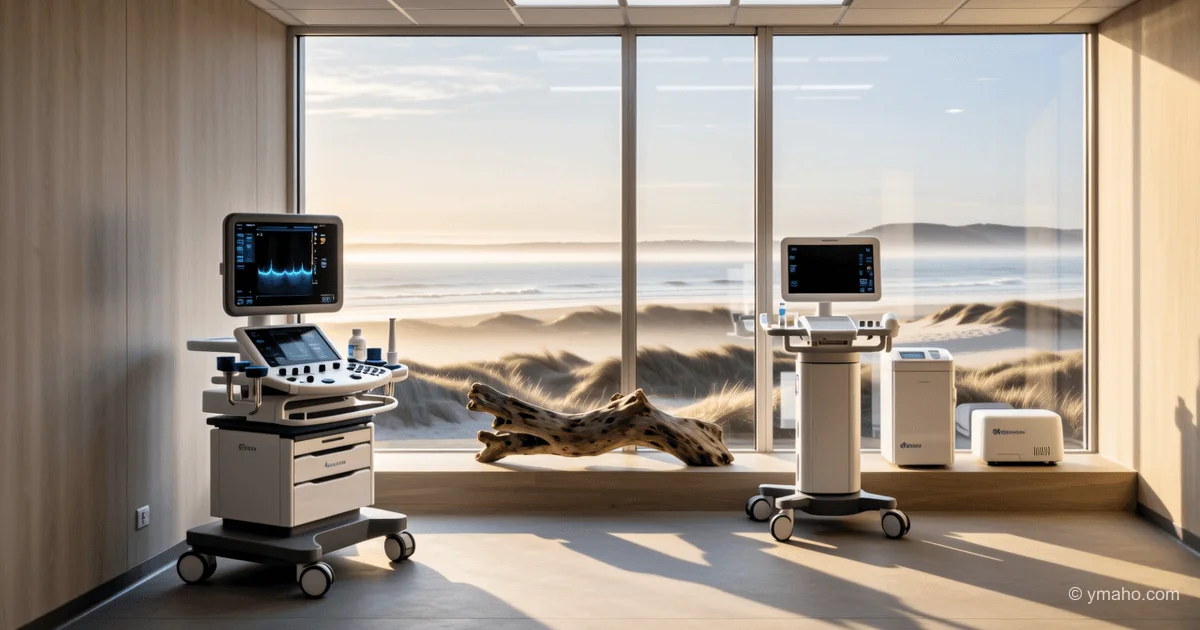
Winners are architectural firms specializing in medical minimalism. Ingenhoven Associates, who built Sylt, gained a globally significant portfolio project and a contract for Marbella (opening April 2027). Winners are diagnostic equipment manufacturers: 5,000 sq m of medical space at Lanserhof Sylt, packed with modern technology, is an advertisement for the entire medtech industry.
Winners are competitors who do not try to copy Lanserhof but occupy adjacent niches. Palace Merano Sport Performance (from EUR 6,150 for 7 nights) focuses on sports medicine — a market that Lanserhof, with its low-calorie alkaline diet, serves poorly. SHA Wellness Clinic in Spain (from ~EUR 5,000 for 7 nights) offers macrobiotic nutrition, which many athletes prefer over the strict Mayr protocol. Clinics specializing in narrow niches (sports, endocrinology, cognitive health) will gain clients tired of "universal detox."
Losers are classic luxury hotels with SPA services. The same Severin's Resort & Spa, where Siegling previously worked, offered champagne until midnight and "relaxation." Now that looks archaic. A consumer who has been through Lanserhof with its blood test and cardiac screening no longer perceives a massage with essential oil as "health care." They demand biomarkers. Classic hospitality is losing its most solvent audience.
Also losing are mass-market detox programs and retreats priced at $500-1000. They cannot provide the medical depth that Lanserhof offers, nor can they compete on price. They get stuck in the middle — expensive enough to scare off budget clients, but not equipped enough to satisfy the demand for "medically proven reset."
What the Media Isn't Saying
Non-obvious insight: The Lanserhof program is based on the Mayr method (low-calorie alkaline diet with emphasis on chewing), which has weak evidence in randomized controlled trials. Most publications on Mayr therapy are observational studies without control groups, published in low-impact journals. Medical director cardiologist Stritzke lends clinical weight to the institution, but the basic methodology remains complementary, not evidence-based in the strict sense. The consumer pays EUR 7,120 for a program whose scientific validity is significantly inferior to, say, a standard cardiac check-up at a university clinic for EUR 2,000.
The second omission: a staffing crisis. The opening of Lanserhof Sylt coincided with aggressive expansion of the group (Marbella in 2027, Arts Club London). But integrative medicine doctors fluent in German and English are a rare resource. Stretching the team across five properties creates a risk of quality decline. Lanserhof Tegernsee, for example, is already criticized for shorter consultations and more standardized protocols. Sylt, with its "less than 50% occupancy," may face the same problem: to fill rooms, they will have to hire more staff, but qualified specialists are objectively scarce on the market.
The third omission: "caffeine withdrawal" and "deep sleep" as program markers are an ideological framework, not a medical necessity for all patients. Meta-analyses show that moderate caffeine consumption is associated with reduced all-cause mortality. Total caffeine ban is part of Mayr ideology, not evidence-based cardiology. But the client pays precisely for ideology: they need a purification ritual with clear rules, even if those rules have no scientific basis.
Forecast: Next 30 Days and 90 Days
Within 30 days, we will see Lanserhof Sylt aggressively promoting 2- and 4-day "Sport & Meditation" and "Longevity-Check" retreats through concierge services and private banking channels. The target audience is not just "rich people," but specifically those who already own property on Sylt and can use the "Resident Programme" without booking a room. This is a pragmatic step aimed at increasing occupancy and cash flow during the summer season 2026.
Within 90 days, expect a response from competitors. SHA Wellness Clinic in Spain will announce its own "Longevity Check" program with a more aggressive price point (estimated EUR 3,500-4,000 for 4 days) and an emphasis on macrobiotics versus Lanserhof's Mayr diet. Palace Merano will launch short formats for busy clients, copying the "Fastlane to Health" model introduced by Lanserhof Sylt.
The main forecast: Lanserhof Sylt, despite architectural perfection and EUR 120 million investment, will not reach target occupancy of 80% in 2026. The reason is a dissonance between Sylt's audience (hedonists used to champagne at Severin's) and the strict medical discipline of the Mayr concept. The Sylt market is not ready to collectively submit to clinical detox. Lanserhof Sylt will be forced either to soften protocols or expand the purely SPA component (they already have a Wellness Arrangement without medical part). Both dilute the key value proposition of "medical superiority."
Conclusion: Lanserhof Sylt is a brilliant architectural object and a bold business bet. But the real test will begin not with the opening, but with the first full season, when it becomes clear whether the luxury consumer is willing to pay EUR 7,120 not for pleasure, but for clinically packaged abstinence. For now, the answer is "not quite." And May 2026 is the moment when Lanserhof realized this. Hence the strategic pivot with "Lans & Home" and attempts to enter the local market. The retreat as a must-visit is still more of a marketing construct than reality. But the construct is so powerful that it could change the entire wellness tourism industry: from SPA to clinic, from massage to blood test, from pleasure to discipline. And those who underestimate this trend risk being left with empty loungers and unwanted essential oils.
— Editorial Team









