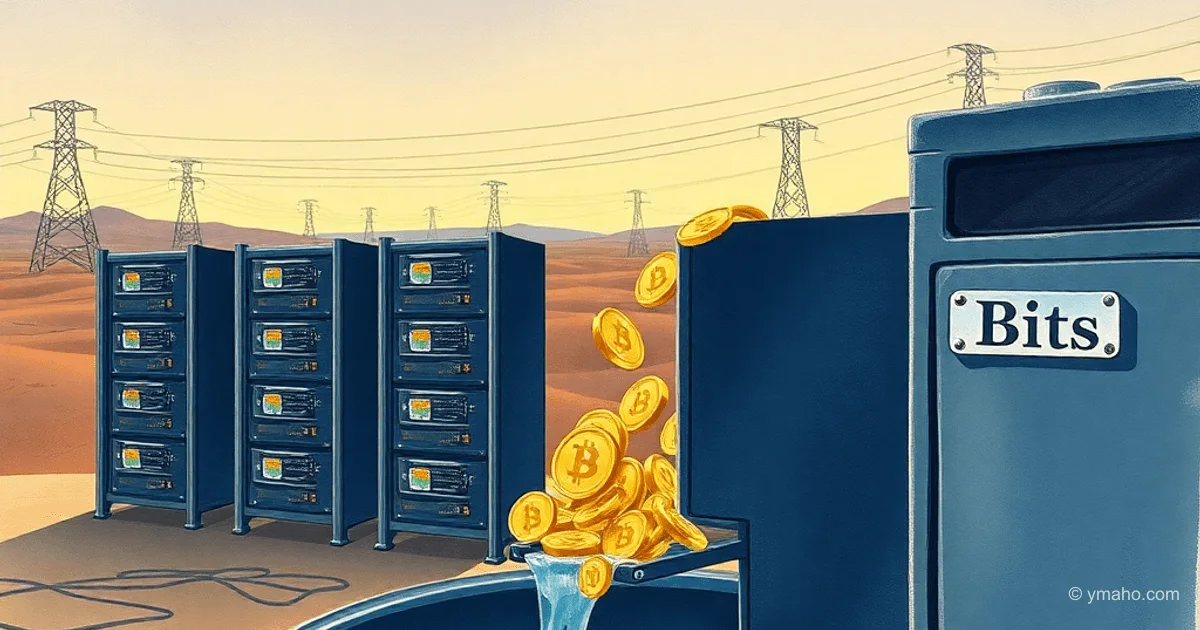
Major Bitcoin Miners Sold $4.5B in BTC—and Shifted Focus to AI
Over the past four years, the largest Bitcoin mining companies have sold more than 61,000 BTC—nearly $4.5 billion at current prices. These sales are more than just numbers: they reflect a fundamental shift in business models across the crypto industry. Where miners once held BTC as long-term assets, many now sell it to stay solvent—or to pivot their operations toward new realities, including surging demand for computing power to train artificial intelligence.
Why Are Miners Selling Bitcoin En Masse?
Bitcoin mining is like gold mining with computers: the more energy you expend, the higher your chance of earning a block reward. But each year, this ‘mining’ grows costlier and more complex. Following the 2024 halving—a scheduled event that cuts block rewards in half—miner revenues plummeted sharply. Many companies found themselves on the brink of bankruptcy.
To stay afloat, they began selling accumulated BTC. CryptoQuant analysts calculated that miner reserves declined from 1.862 million BTC to 1.801 million BTC between 2022 and today. That may sound like a small change—but in dollar terms, it’s enormous.
The largest sales came from three U.S.-based firms:
- Marathon Digital — sold over 28,000 BTC (~$2 billion)
- Riot Platforms — over 10,000 BTC ($700+ million)
- Core Scientific — roughly 15,000 BTC ($1+ billion)
In just the first months of 2026 alone, Marathon sold 13,210 coins, Riot sold 4,026, and Core Scientific sold nearly 2,000.
From Bitcoin to Artificial Intelligence
What’s notable isn’t only that miners are selling BTC—but what they’re doing with the proceeds. Some funds went toward debt repayment—especially after the 2022–2023 market crises. But another portion is being invested in retrofitting data centers for AI workloads.
Why? Because mining hardware and AI training infrastructure share key requirements: massive computational throughput and access to low-cost electricity. Rather than mining Bitcoin at a loss, companies are now leasing out compute capacity to AI developers—a far more profitable use case today.
This isn’t just a tactical adjustment—it’s a strategic industry-wide pivot. Former miners are becoming infrastructure providers for tomorrow’s technology landscape.
What Does This Mean for Bitcoin’s Price?
Massive sales exert persistent downward pressure on price. When large players flood the market with thousands of coins, buyers must absorb that volume—or risk a price decline.
Bitcoin is currently trading near $76,800—the same level that stalled its rally in January. This is widely seen as a ‘break-even zone’ for many early investors who bought BTC around that price and are now ready to sell to avoid losses. If selling pressure from miners and similar holders continues, the next major support level sits at $67,600.
However, it’s critical to understand: these sales aren’t driven by panic—they’re rational business decisions. Miners don’t believe Bitcoin will fall to zero. They simply need dollars—now.
Key Takeaways
- Over 4 years, miners sold 61,000 BTC, worth $4.5 billion.
- Top sellers: Marathon, Riot, and Core Scientific.
- Proceeds fund debt repayment and the transition to AI infrastructure.
- Sales create short-term downward pressure on BTC’s price.
- The industry is transforming: mining is giving way to AI-as-a-service.
What Does This Mean for Everyday Users?
If you hold Bitcoin, such sales may spark concern—but there’s no need to panic. This is a normal part of the cycle: after every halving, miners go through a ‘survival phase.’ Those who endure emerge stronger. For observers, it’s a reminder that crypto markets run not only on sentiment but on real-world business logic. And the shift from mining to AI signals how rapidly technologies converge—today’s ‘crypto companies’ may well become tomorrow’s pivotal players in an entirely different sector.
— Editorial Team









