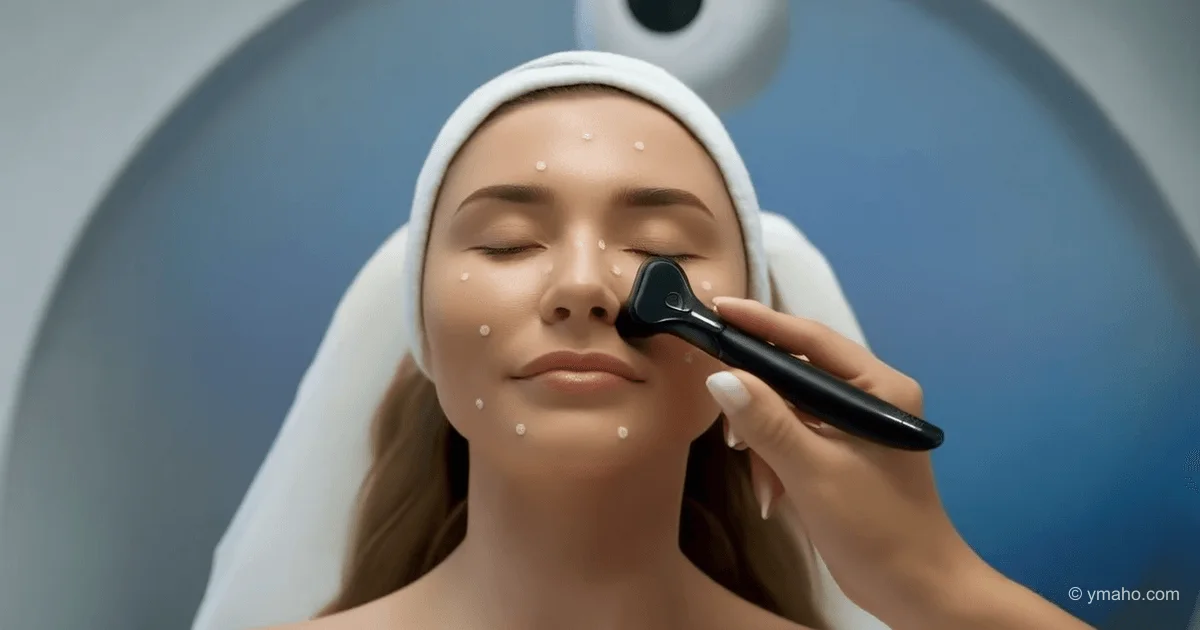
Nano-Channeling and Hydrafacial: A New Frontier in Merging Aesthetics and Health
The industry is seeing a surge in nano-channeling — a non-invasive procedure that creates microchannels for deep serum penetration and skin radiance. Hydrafacial is adopting it to enhance anti-aging effects without aggression.
We are witnessing the birth of a new asset class in aesthetic medicine. BeautyHealth (Hydrafacial) is scaling the SkinStylus nano-channeling technology — and this is not just an upgrade. It signals a fundamental restructuring of the device-based treatment market.
[The Core]: What's Really Happening
BeautyHealth isn't just adding an option. It's rebuilding its flagship asset — Hydrafacial — from a "procedure" into a "platform." The difference is critical. A procedure is a finite product a client buys once. A platform is an ecosystem where the client stays long-term, flowing between modules: hydroexfoliation, nano-channels, LED, boosters.
Key insight: nano-channeling solves a problem no one talks about. Injectable cosmetics have long held a monopoly on "deep delivery." Device-based treatments worked on the surface or required aggressive damage (microneedling). Nano-channels create a third path: delivery to the epidermal depth without pain, blood, or downtime. This is not a "weak alternative" to injections — it's a technological bypass that pulls part of the Botox and filler audience into the device-based care segment.
Timeline and Context
- January 2025 – January 2026. BCG publishes survey data: 77% of providers report increased client satisfaction from combined protocols; 81% of consumers are willing to pay more for a package than a single procedure. The market is ripe for a "bundled" model.
- Early 2026. BeautyHealth states that 52% of combinations in the US already include microabrasive procedures like Hydrafacial. This means Hydrafacial is already at the center of combo protocols, and adding a second module is a logical expansion.
- March 2026. LifeSpa (Life Time's spa network, a Hydrafacial partner since 2004) completes the SkinStylus Nano-Channeling pilot and rolls it out nationwide. This is not a test — it's a full-scale commercial phase.
- March 9, 2026. BeautyHealth officially announces the ecosystem expansion and "growing adoption" of the SkinStylus + Hydrafacial protocol.
Who Wins and Who Loses
Winners:
- BeautyHealth (NASDAQ: SKIN) and its shareholders. The company turns every installed Hydrafacial device into an upsell point. SkinStylus increases utilization of existing equipment and average ticket size. For a public company, this is a direct path to revenue growth without needing to convince clinics to buy a new machine.
- Large spa chains (LifeSpa, premium hotels, wellness centers). They get a ready-made, proven protocol that can be sold as a premium package without additional medical licenses. Nano-channeling is not an injection — regulatory barriers are lower.
- Consumers with low tolerance for aggression. The audience that fears needles or cannot afford downtime gets an "injection-like effect" without invasion. This is a huge segment that previously never reached serious anti-aging treatments.
Losers:
- Standalone microneedling systems. SkinStylus is a closed ecosystem with proprietary cartridges tied to the Hydrafacial platform. The more clinics enter this funnel, the harder it is for competitors to sell standalone solutions.
- Injectable manufacturers (Botox, fillers). Nano-channeling + Hydrafacial enhance serum delivery and stimulate superficial renewal. For some clients, this becomes sufficient, delaying their first visit to an injector. The "light aesthetics" market starts eating into the "heavy" market.
What the Media Isn't Saying
Insight: BeautyHealth is entering the transdermal delivery market, disguising it as a device-based procedure.
No glossy press release will say it outright, but the strategic goal of SkinStylus is not "just another attachment." It's creating a delivery channel for Hydrafacial's growing portfolio of proprietary serums. The company sells not hardware, but an ecosystem of "device + consumables." The deeper and more controlled the serum delivery, the higher its perceived efficacy — and the harder it is for the client to replace the branded cocktail with a generic. Nano-channeling locks the clinic into BeautyHealth's ecosystem more tightly than any contract.
Forecast: Next 30 Days and 90 Days
- Next 30 days (by June 11, 2026). A snowball effect will begin. Medical spa networks competing with Life Time will urgently seek SkinStylus analogs or negotiate partnerships with BeautyHealth to avoid falling behind in their menus. Expect at least 2-3 public announcements from major chains about adopting Hydrafacial + Nano-Channeling combo protocols.
- Next 90 days (by August 10, 2026). BeautyHealth will likely hold an investor roadshow, presenting a new metric — the attach rate of SkinStylus to the Hydrafacial base. If numbers are strong, SKIN shares will get a boost. Additionally, by fall, expect the first wave of competitors trying to create "open" nano-channeling systems compatible with different platforms. The market will begin to fragment, but first-mover advantage remains with BeautyHealth.
— Editorial Team









