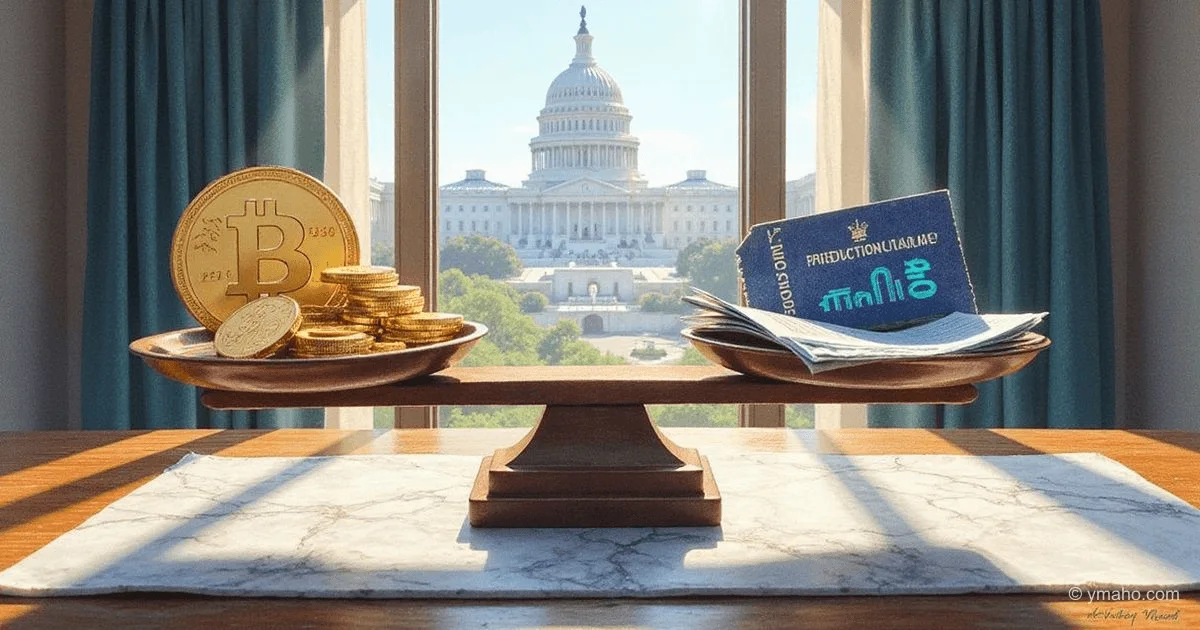
Next Fed Chair Owns Crypto—What That Means for Regulation and Your Wallet
The person likely to become the next head of the U.S. central bank owns stakes in several major crypto projects—including Solana and a prediction market called Polymarket. If you’ve ever wondered whether crypto is taken seriously by top financial regulators, this is a big clue: it’s not just outsiders betting on digital assets anymore.
Kevin Warsh, nominated by Donald Trump to lead the Federal Reserve, recently disclosed a financial portfolio worth at least $192 million. Hidden inside that filing? Direct investments in blockchain startups and crypto tokens. This matters because the Fed chair shapes national interest rates, oversees banks, and influences how crypto is regulated in America.
Why It’s Surprising (and Important)
Most people picture central bankers as cautious, traditional figures—definitely not dabbling in experimental tech like crypto. But Warsh’s holdings show a shift: even those who could soon write the rules are financially involved in the space.
To understand why this is unusual, think of it like a referee in a soccer match also owning shares in one of the teams. It doesn’t automatically mean bias, but it does raise questions about fairness, transparency, and potential conflicts of interest.
Warsh doesn’t hold Bitcoin—the original cryptocurrency—but he does own pieces of newer networks like Solana (a fast blockchain for apps) and Optimism (a system that helps Ethereum handle more transactions). He also has exposure to Polymarket, a platform where people bet on real-world events like elections or economic data using crypto.
How His Investments Are Structured
All these crypto assets sit inside a private investment vehicle called DCM Investments 10 LLC. Each holding is valued under $500,000, which means they’re small slices of his overall wealth—but still meaningful signals.
Importantly, Warsh isn’t just passively holding. His involvement comes through advisory roles with wealthy family offices, suggesting he’s actively engaged with the crypto ecosystem, not just speculating.
His disclosure arrives at a critical moment:
- His Senate confirmation hearing is coming up
- Lawmakers are finalizing the Clarity for Payment Stablecoins Act
- The Federal Reserve’s next policy meeting is scheduled for late April
These events could shape crypto regulation for years. Having a nominee with skin in the game adds complexity to an already tense debate.
What Does This Mean for Regular People?
For everyday users, this development highlights a growing reality: crypto is no longer fringe. Major institutions—and now potential regulators—are deeply intertwined with it.
That means two things:
- Regulation might become more nuanced. Someone who understands crypto from experience may push for clearer, smarter rules instead of blanket bans.
- Conflicts of interest need watching. If the Fed chair benefits financially from certain crypto projects, decisions about stablecoins, banking access, or enforcement could be influenced—even unintentionally.
You don’t need to own crypto to care. These choices affect everything from bank fees to how easily you can send money abroad or use new payment apps.
Key Takeaways
- Kevin Warsh, Trump’s pick for Fed Chair, owns stakes in Solana, Polymarket, Optimism, and other crypto projects.
- His crypto holdings are modest relative to his total wealth but signal deep engagement with the industry.
- The timing overlaps with major regulatory decisions, raising questions about oversight and fairness.
- This reflects a broader trend: traditional finance and crypto are merging faster than many realize.
- Regular people should pay attention—not because they need to invest, but because future rules will shape how money moves in daily life.
— Editorial Team









