Oil Fluctuates Amid Uncertainty in US-Iran Talks: What It Means for Global Markets
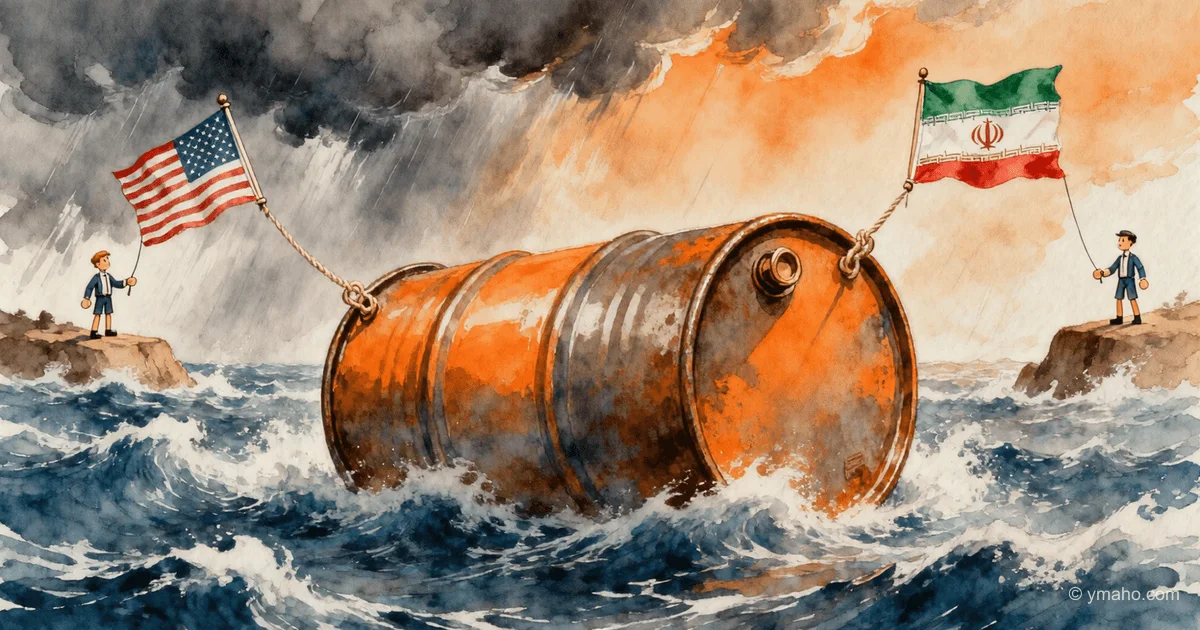
Oil markets are in a holding pattern. Crude prices barely moved on Wednesday, April 22, after a brief spike early in the Asian session. Investors are weighing the prospects of peace talks between the US and Iran after President Donald Trump unilaterally extended the truce indefinitely. The decision, made just hours before the ceasefire was set to expire, could dramatically impact global energy markets, inflation, and even the wallets of ordinary people worldwide.
What Happened to Oil Prices?
Brent crude futures rose 3 cents (0.02%) to $98.51 per barrel, though earlier in the session they hit $99.38. US light crude West Texas Intermediate (WTI) fell 13 cents (0.14%) to $89.53 after rising to $90.71 in the morning. The day before, both benchmark grades gained about 3%.
Why Is the Market Reacting This Way?
The main reason is uncertainty surrounding US-Iran talks. Trump announced an indefinite extension of the truce to continue dialogue on ending a war that has already claimed thousands of lives and destabilized the global economy. However, this decision was unilateral: neither Iran nor US ally Israel has officially confirmed agreement to extend the ceasefire.
Important: Iran's Tasnim agency, linked to the Islamic Revolutionary Guard Corps, said Tehran did not ask for an extension and still intends to break the US blockade by force. The blockade of Iranian ports and coastline, which Trump promised to maintain, is viewed by Iranian leadership as an act of war.
How Does This Affect the Global Economy?
Oil is the lifeblood of the global economy. When oil prices rise, gasoline, heating, transportation of goods, and production become more expensive. This leads to higher inflation, felt by everyone from drivers to supermarket shoppers.
Three Scenarios for Future Developments:
- Peace Agreement: If talks lead to a sustainable ceasefire and lifting of the blockade, oil prices could stabilize or even drop by 5–10%. Iran would return to the global market, increasing supply.
- Resumption of Conflict: If the truce collapses, oil prices will skyrocket. Brent could exceed $110 per barrel, triggering a new wave of global inflation.
- Prolonged Uncertainty: The market will remain in the $85–100 range, reacting to every political statement.
What Does This Mean for Ordinary People?
- At the pump: If oil prices stay high, gasoline and diesel will continue to rise. In Ukraine, where fuel prices are already climbing, this will hit every family's budget.
- In stores: Higher fuel costs drive up logistics, and therefore food, clothing, and building materials.
- For the economy as a whole: High oil prices pressure businesses, reduce purchasing power, and could slow economic recovery after the crisis.
— Editorial Team









