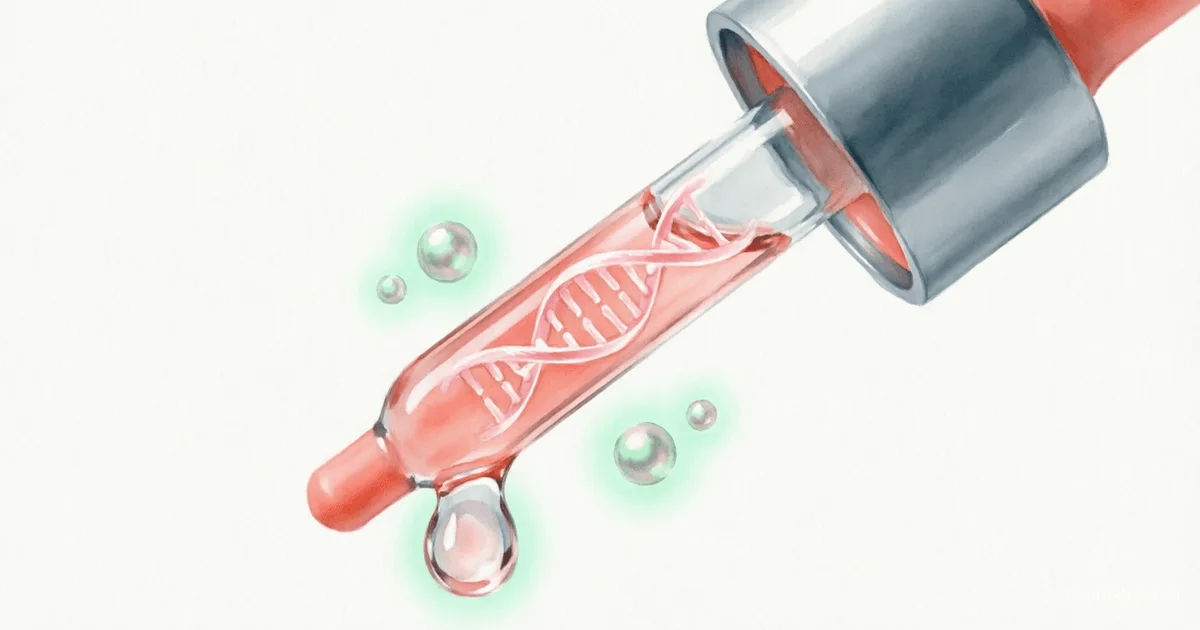
Korean Anti-Aging: PDRN and Exosomes Become New Standards in Anti-Age Care
There is a shift from aggressive rejuvenating procedures to gentle skin restoration. The focus is on PDRN components and exosomes, which stimulate regeneration at the cellular level, as well as mandatory strengthening of the skin barrier.
As an insider tracking biotech raw material supply chains and patent wars among Asian conglomerates, I view the news about "new anti-age standards" with cold pragmatism. What glossy media present as "gentle skin restoration" is actually a tectonic shift in the global anti-age market management. We are moving from the era of "aggressive dermatology," where retinol and acids ruled, to the era of "cellular diplomacy." And behind this is not so much concern for barrier health as a technological race around regulation and patents on living systems, in which Korean Chaebol are overtaking Western corporations on the turn.
The Essence: What Is Really Happening
The true nature of this shift is not in cosmetics, but in jurisprudence and logistics. Polydeoxyribonucleotides (PDRN) and exosomes have taken center stage, but the point is that their mass entry into the consumer sector signals the end of the "chemical exfoliation" era and the beginning of the "biological legitimization" era.
Aggressive anti-age ingredients such as retinol and AHA acids create a vicious cycle: they damage the barrier, forcing the consumer to buy even more soothing products. However, the main reason for abandoning them is the tightening of regulations in the EU and USA regarding the purity and safety of chemical exfoliants. Plus, chemical peels cannot be patented as a unique molecule. But laboratory-grown exosomes from plant stem cells or salmon are already an intellectual property object worth billions of dollars. The PDRN market in skincare is growing at 21.20% annually and will reach $4.3 billion by 2033. This is not growth in demand for health; it is capitalization of patents on "biological upgrade."
Timeline and Context
The key date that many keep silent about is December 2025. It was then, not in 2026, that a breakthrough occurred that moved the discussion from the laboratory to the market. South Korean researchers published data showing that exosomes (extracellular vesicles) can reduce the expression of aging markers by almost 40% and increase cell proliferation by more than 50%. This was a signal for biotech investors.
The market reacted instantly. Already in January 2026, the USA was hit by a wave of "K-Treatments": demand for the injectable drug Rejuran (PDRN) soared by 213% year-over-year, and its TikTok views jumped by 525%. American medispas recorded a more than 100% increase in requests for "salmon injections" over the year. Consumers aged 25 and older massively abandoned fillers in favor of "regenerative biostimulants."
March 2026 became the moment of Commodity Shift. Brands like SeoulCeuticals launched the first product with PDRN and vitamin C on the mass market, putting clinical regeneration on supermarket shelves. And the main insider news of May 2026 is not the launch of another cream, but the announcement by Medik8 and Amorepacific of a complete transition to vegan and microalgae-based PDRN analogs. This means the technology has left clinics through luxury and is now scaling without animal raw materials.
Who Wins and Who Loses
The main beneficiary is South Korean medical cosmetics exports. While European laboratories argue about the ethics of using human cell lines, Korea churns out PDRN from salmon sperm and plant exosomes, pricing them at $45–90 per procedure. Dermatologist Jessie Cheung notes that patients come daily with requests for "salmon DNA," providing practices with more than double revenue growth.
The losers are classic luxury anti-age lines. Why pay $350 for a jar of peptides promising to "reduce wrinkles in 28 days" when PDRN increases dermal density by 8.67% in the same period, and exosomes restore intercellular communication at the level of young skin? Traditional retinol brands lose because "regeneration" sounds cooler than "exfoliation."
The consumer who does not understand molecular biology also loses. The market is flooded with fakes. Exosomes heated to 40°C in a cream are dead and useless, but marketing stays silent about this. The low molecular weight of vegan PDRN does improve penetration, but without clinical trials, it is just a bottle of water for $96, as in the case of the Medik8 launch.
What the Media Are Not Saying
The most important hushed-up fact: in the USA, no PDRN or polynucleotide injectable drug is FDA-approved for cosmetic use. This entire boom in "non-surgical rejuvenation" is built on off-label use or circumvention of the regulator. Beauty "Korean-style" is a huge gray area of the American market.
The second non-obvious point: PDRN from salmon and exosomes are not a "pure" alternative, but complex molecular constructs. PDRN works through activation of adenosine A2A receptors, exosomes through the transfer of genetic material. If this communication is disrupted due to chronic inflammation in the skin, the components do not work but simply oxidize. Therefore, "smart" anti-aging requires perfect barrier function, which brings us back to the need to purchase separate specialized products for skin integrity.
Forecast: Next 30 Days and 90 Days
First 30 days. In June 2026, the "vegan arms race" will begin. Following Medik8, at least two European giants will announce a complete transition to plant-based PDRN and exosomes. The price of a standard salon treatment with PDRN will drop by 15–20% due to dumping by new entrants, but demand for combined "microneedling + exosomes" protocols with an average ticket of $350–400 will increase. Also expect the first high-profile case of complications after an underground "exosomal party," which will trigger panic and a rise in requests for "biomaterial safety."
90 days. By September 2026, the market will split. The expensive segment will be occupied by "laboratory-grown human exosomes," while the mass market will be filled with vegan "PDRN-like" complexes from chlorella. Prices for a "skin + barrier" course in Korea will become stratified like taxi services: from economy fish DNA for $99 to premium human vesicles for $1,200. The main battle of autumn will be the legal war of the FDA against medispas using unregistered biostimulants. It is then that it will become clear whether cell therapy will become the new gold standard or remain a niche weapon for the initiated.
— Editorial Team









