Private Stablecoins: Why Privacy Is Becoming the New Currency of Trust
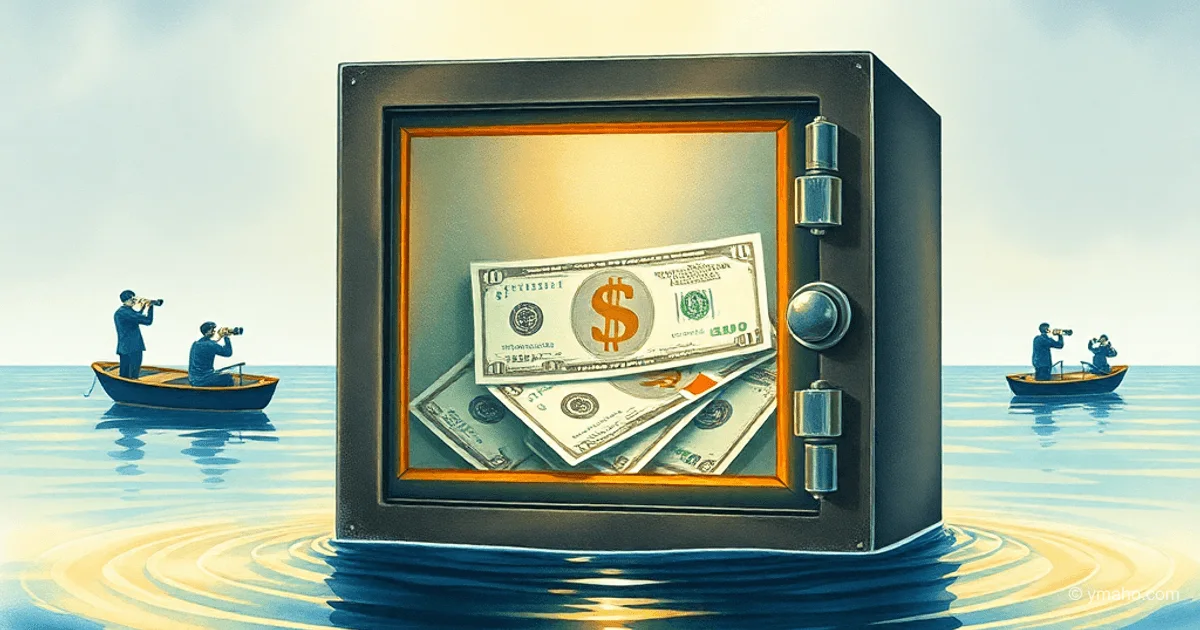
When your bank account is visible to everyone, you cease to be free. That’s the core dilemma of today’s crypto market: technologies built to resist surveillance and control increasingly function as transparent storefronts for hackers, regulators, and fraudsters. Now, a new solution is emerging—private stablecoins. Though still nearly unknown to the general public, their impact may run deeper than it appears.
Why Transparency Is a Vulnerability
Blockchains like Bitcoin and Ethereum were designed from the start as open and honest systems. Every transaction is permanently recorded and publicly accessible. That’s great for verification—but terrible for security. Imagine if all your in-store purchases, family transfers, and investments appeared in the newspaper every day. Anyone could learn exactly how much money you hold, who you work with, and where you live.
This transparency makes large holders easy targets. In recent years, kidnappings of crypto investors have occurred even in developed countries: in France, a tax authority employee leaked data to criminals; in the UAE, a Ledger co-founder was abducted. These aren’t just “industry risks”—they’re a direct consequence of finance becoming public.
How Cryptocurrencies Are Trying to Go Private
Developers have long sought ways to add privacy to public blockchains. Bitcoin uses techniques like CoinJoin and Taproot to mix transactions and obscure observers’ view. Ethereum is advancing zero-knowledge (ZK) proof technologies that let users verify transfers without revealing details.
But there’s another path—blockchains built with privacy by design. Monero hides senders and receivers using ring signatures. Zcash uses cryptographic proofs to confirm transactions without exposing amounts or addresses. These projects have existed for years but remain niche—largely due to high volatility.
Stability + Privacy = A New Trend?
That’s where private stablecoins enter the picture. Stablecoins are digital dollars pegged to real-world currencies to avoid price “volatility.” They’re typically issued by companies like Circle (USDC) or Tether (USDT)—but fully transparent.
Now, versions combining stability and privacy are emerging:
- fUSD on the Zano blockchain—asset-backed, with support for creating custom private tokens;
- xUSD from Haven Protocol—an algorithmic stablecoin operating within a closed ecosystem;
- USDCx and USAD on Aleo—leveraging ZK technology to hide transaction details.
Though their market capitalizations remain small (fUSD is around $10 million), interest is growing amid sanctions, geopolitical instability, and tightening financial oversight.
Regulators vs. Privacy
The biggest hurdle? Regulators. To them, a “black box” holding money triggers alarm bells. They fear such tools could facilitate money laundering or sanctions evasion. As a result, countries like the US and EU may attempt to ban private assets.
Yet history shows bans don’t kill technologies—they relocate them. When China banned Bitcoin mining, hardware moved to Texas and Kazakhstan. When Japan restricted anonymous wallets, users migrated to decentralized alternatives. Private stablecoins will likely follow the same path—maturing in jurisdictions that value financial freedom.
Moreover, many private systems already offer selective disclosure: owners can voluntarily share data with tax authorities or banks upon request—without broadcasting it publicly. Analysts note that less than 0.5% of all crypto transactions involve illicit activity—far less than in traditional banking.
Key Takeaways
- Blockchain transparency creates real security risks for users.
- Private stablecoins merge fiat-like stability with personal data protection.
- Projects like fUSD, xUSD, and USDCx are early-stage—but directly address rising demand.
- Regulators will resist—but privacy technologies are already adapting to comply with legislation.
- Real financial freedom requires effort—it doesn’t arrive on its own.
What does this mean for ordinary people? Even if you never plan to use private stablecoins, their emergence changes the game. The more tools exist to protect privacy, the greater the pressure on traditional banks and regulators to respect your financial life. And in a world where every purchase is tracked, the right to remain unseen may become one of the most valuable things of all.
— Editorial Team









