How Ukraine Is Calling on the World for Help: What’s on the World Bank Project List
The Ukrainian government has just presented the International Finance Corporation (a branch of the World Bank) with a detailed “wish list” for the country’s recovery. Why should you care? Because the success of these projects hinges on more than just Ukrainians—it could reshape how the world supports post-war reconstruction and directly impact the prices of your groceries and energy bills.
What’s on the List?
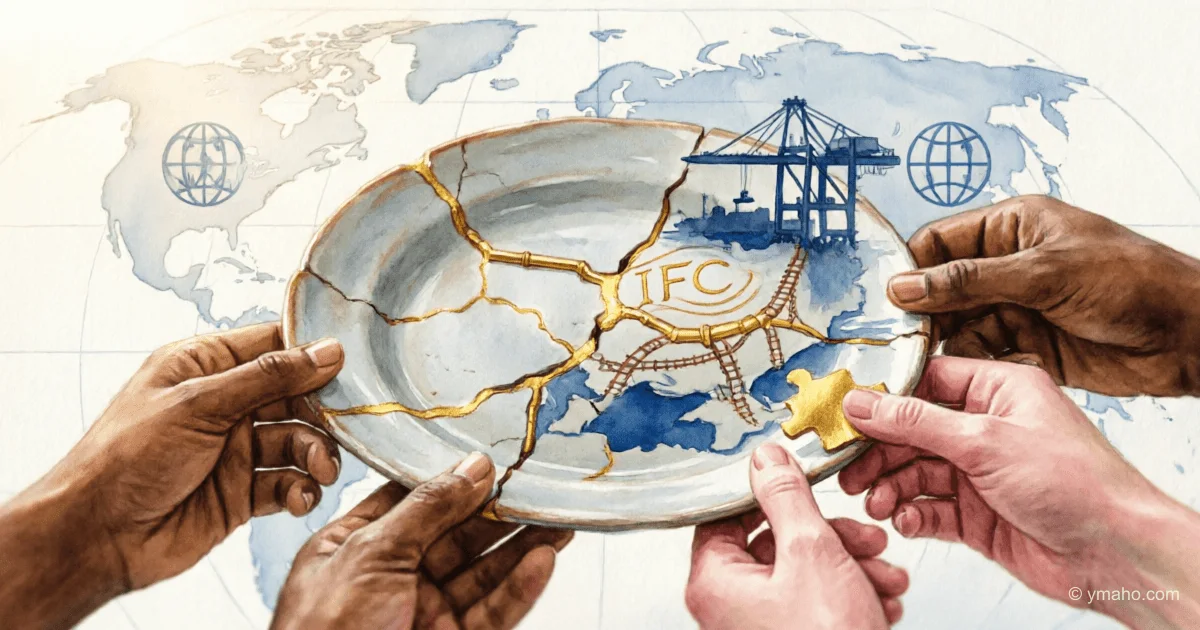
Prime Minister Yulia Sviridenko met with IFC head Mamadou Diop to discuss three priority sectors. First up: energy. There’s an urgent need to procure equipment and restore Naftogaz facilities, much like how cities rush to repair roofs after a hurricane. Without this, households won’t be able to turn on their heaters, and factories will struggle to run their machinery.
Second: railways. Ukrzaliznytsia is teetering on the brink of bankruptcy, and its debt is being passed around like a hot potato. To prevent trains from grinding to a halt in 2026, funds are needed to service its eurobonds. Imagine if your daily commuter train suddenly stopped running—that would be a comparable disaster for Ukraine.
Third: logistics. The port of Chornomorsk on the Black Sea is slated to become a major hub for grain and cargo transport. Planners intend to bring private companies on board through concessions—similar to leasing out a section of a public park for cafes so the city doesn’t have to drain its budget for maintenance.
Why the World Can’t Look Away
These initiatives aren’t just Ukrainian pipe dreams. The IFC is acting as a “trust catalyst”: if the World Bank commits capital, other investors will follow suit. It’s exactly like when a renowned restaurateur opens a café in a developing neighborhood—suddenly, other businesses move in too.
Crucially, Ukraine has secured a debt payment holiday from the G7 until 2030. This breathing room works like a mortgage forbearance period for a family renovating their home. Meanwhile, electric locomotive production at the French manufacturer Alstom proves that global partners are already stepping up to aid reconstruction.
But there’s a catch: the government must keep cracking down on oligarchs and ensure business operations remain transparent. “Deoligarchization” isn’t about politics; it’s about establishing fair play. Think of it like soccer: without a referee and clear rules, any match quickly descends into chaos.
Key Takeaways
- Energy takes precedence: Without functioning power plants and gas pipelines, Ukraine risks freezing over and halting grain exports
- Railways are lifelines: Trains carry 90% of freight, including humanitarian aid
- Ports feed the world: Black Sea terminals are critical for delivering grain to low-income nations
- Debt relief is a lifeline: It frees up capital for bomb shelters instead of debt servicing
- Action over rhetoric: Investors want concrete steps, not empty promises
What Does This Mean for Everyday People?
If Ukraine rebuilds its energy grid, natural gas prices across Europe could stabilize. Fully operational ports will help alleviate hunger in Africa and Asia. Plus, a successful post-war reconstruction model could serve as a blueprint for other nations—potentially benefiting your own homeland someday after a flood or earthquake.
— Editorial Team









