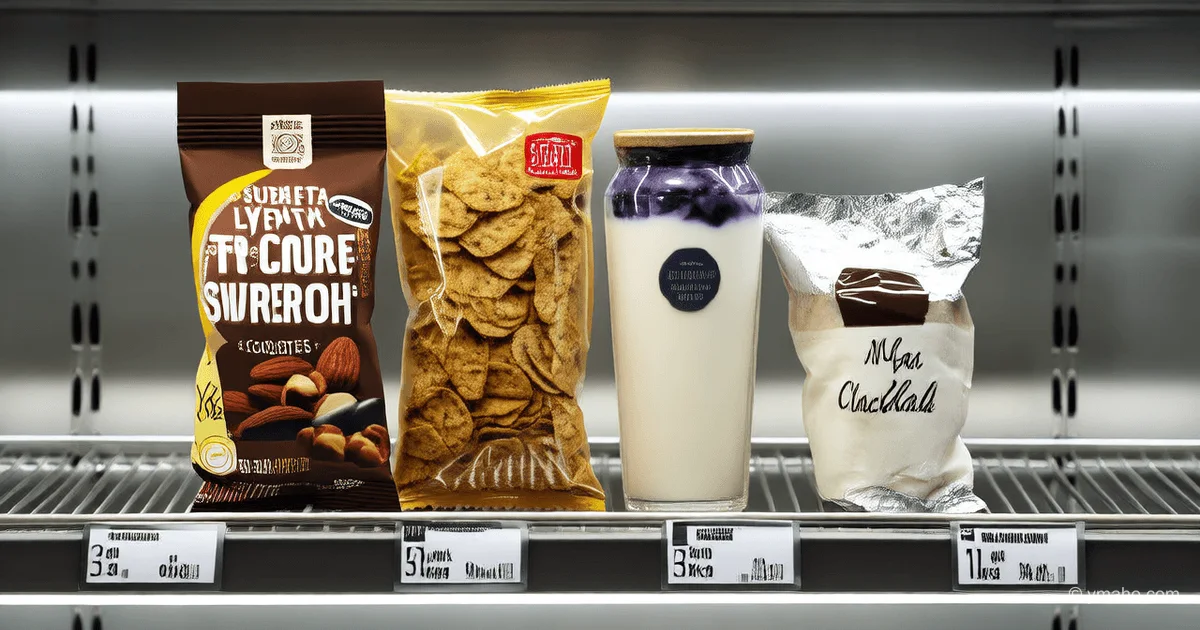
Protein Becomes a Key Nutrient for Everyday Diet
According to nutritionists, by 2026, high-protein foods have finally moved beyond sports nutrition and are now associated with satiety, strength, and overall health, appearing in snacks and desserts.
The Protein Reshuffle: How Protein Is Taking Over Supermarket Shelves and Sports Nutrition Is Dying
The Gist: What's Really Happening
In May 2026, leading nutritionists confirmed what the industry had known for a year and a half: protein has definitively left the ghetto of sports nutrition and become the main nutrient of the everyday diet. Consumers no longer associate protein with bodybuilders and tubs in gym lockers. Now it's a synonym for satiety, strength, weight control, and overall health. Protein bars sit at the checkout next to chocolate bars, protein pudding is in the office fridge, and protein chips occupy the "snacks" shelf in premium supermarkets.
Behind this is not a cultural shift but fundamental economics. The global protein ingredients market was valued at $86.5 billion in 2025. The forecast for 2033 is $141 billion, with a CAGR of 6.4%. The media present this as a success story for healthy lifestyles. I see the biggest shelf reshuffle in the consumer packaged goods category in a decade, and not all current leaders will survive it.
Timeline and Context
2023. The term "Ozempic era" enters the lexicon. Widespread use of GLP-1 agonists for weight loss forces millions of patients to reconsider their diets. A side effect is muscle loss. Doctors begin demanding increased protein intake for patients on semaglutide. This creates a wave of demand that manufacturers couldn't foresee.
2024-2025. Protein expands beyond sports supplements. Whole Foods trend reports note: protein products appear in beverages, frozen foods, confectionery, and even pet food. High-protein snacks garner 34% of dietitians' votes as the top trend for 2025. Chip, cookie, and ice cream manufacturers hastily fortify recipes with whey, pea, and soy isolates.
February 2026. The International Food Information Council (IFIC) publishes a survey: 48% of consumers are actively trying to increase their protein intake. These aren't athletes—they're office workers, mothers, and retirees.
May 2026. Russian dietitians note a local projection of the global trend: protein as a synonym for healthy satiety, protein snacks as an alternative to sweets, demand for "clean" sources without chemical additives.
Who Wins and Who Loses
Winners: dairy protein manufacturers. Whey and casein proteins remain the gold standard. The global whey protein market shows a CAGR of 9.2% and will reach $28 billion by 2030. Companies like Glanbia and Arla Foods enjoy double margins: selling raw materials to sports nutrition manufacturers and simultaneously to food giants launching "protein" versions of mass-market products.
Winners: plant-based alternatives manufacturers. Pea protein is the fastest-growing segment with a CAGR of 12.1%. The overall plant protein market will reach $33 billion by 2031. Investments in fermentation-based proteins (mycoprotein, precision fermentation) exceeded $3 billion in 2025. Startups like Perfect Day and Nature's Fynd are moving from niche to mainstream.
Losers: traditional sports brands. When a protein bar can be bought at a VkusVill checkout for $1.50 instead of $4 at a specialty store, consumers vote with their feet. Brands like Optimum Nutrition and BSN lose their monopoly on protein. Their distribution channel—specialty retail—is shrinking, while mass retail demands prices incompatible with their margins.
Losers: sugar and simple carbohydrate manufacturers. Every protein snack replaces a traditional carbohydrate one. A protein bar displaces a chocolate bar, protein chips replace potato chips, protein yogurt replaces a sweet dessert. The global sugar market loses 1.5-2% volume annually precisely due to substitution by protein products.
What the Media Isn't Saying
First: protein isn't about health; it's about satiety and effortless weight control. IFIC confirms: the main reasons consumers increase protein intake are "feeling full" and "weight control." Weight loss without hunger is the holy grail of the food industry. Protein delivers: it slows gastric emptying, naturally stimulates GLP-1 release (without injections), and reduces ghrelin—the hunger hormone. A protein product is a functional replacement for Ozempic, but in food packaging and without a prescription.
Second: meat is returning, but not as you think. Meat snacks—jerky, turkey chips, steak sticks—lead the "clean label" segment. Eight out of ten leading US meat snack brands use clean formulations with minimal ingredients. Meat is an ideal protein carrier with zero sugar. But consumers aren't buying a steak; they're buying a "protein stick" in individual packaging. This changes supply chains: the winner is not the farmer but the snack manufacturer.
Third: protein desserts are a reincarnation of 90s diet cakes, but with different marketing. Protein puddings, mousses, ice cream, and cookies are not innovation but repackaging of the old idea of "sweets without harm." The difference is that consumers now demand not "giving up sweets" but "healthy alternatives." Protein cheesecake is indulgence without guilt. Marketing sells permission, not restriction. This is a fundamentally more powerful message.
Forecast: Next 30 Days and 90 Days
Next 30 days (until June 19, 2026). Major Russian retailers—VkusVill, Pyaterochka, Lenta—will expand the "protein snacks" shelf by 15-20%. The assortment will include protein yogurts labeled "20g protein," instant protein porridges, and ready-to-drink protein beverages from local producers. A price war in this segment will reduce the retail price of a protein bar from $2.50-3.00 to $1.80-2.20.
90-day horizon (until mid-August 2026). By August, at least one major confectionery factory in Russia will announce a line of "protein desserts"—candies, waffles, marshmallows with whey or pea isolate. Expected investment for launching such a line is €2-3 million. Simultaneously, food delivery aggregators will introduce a "high protein" filter in menus, creating an additional sales channel for manufacturers.
Strategic forecast. By 2028, the word "protein" on packaging will cease to be a differentiator and become a hygiene factor—like "non-GMO" or "no artificial colors" today. Those who invest not in protein itself but in sensory experience—taste, texture, convenience—will win. A protein bar indistinguishable in taste from a Snickers is where the real battle will be. And the winner will take not a share of sports nutrition but a share of the $1.2 trillion confectionery market. Because in 2026, protein ceased to be a nutrient for muscles. It became a nutrient for the masses. And the masses want satiety, pleasure, and a flat stomach all at once.
— Editorial Team









