Quantum Computers and Bitcoin: Is the Threat Already Priced In?
Analysts at the major investment firm Bernstein believe that Bitcoin's current price—above $71,000—already reflects the risks associated with a potential quantum computer attack on the blockchain. Even after a 50% drop from last fall's all-time high, the market isn't panicking, they argue, because it knows there's still sufficient time to implement defenses.
Why Quantum Computers Are a Concern
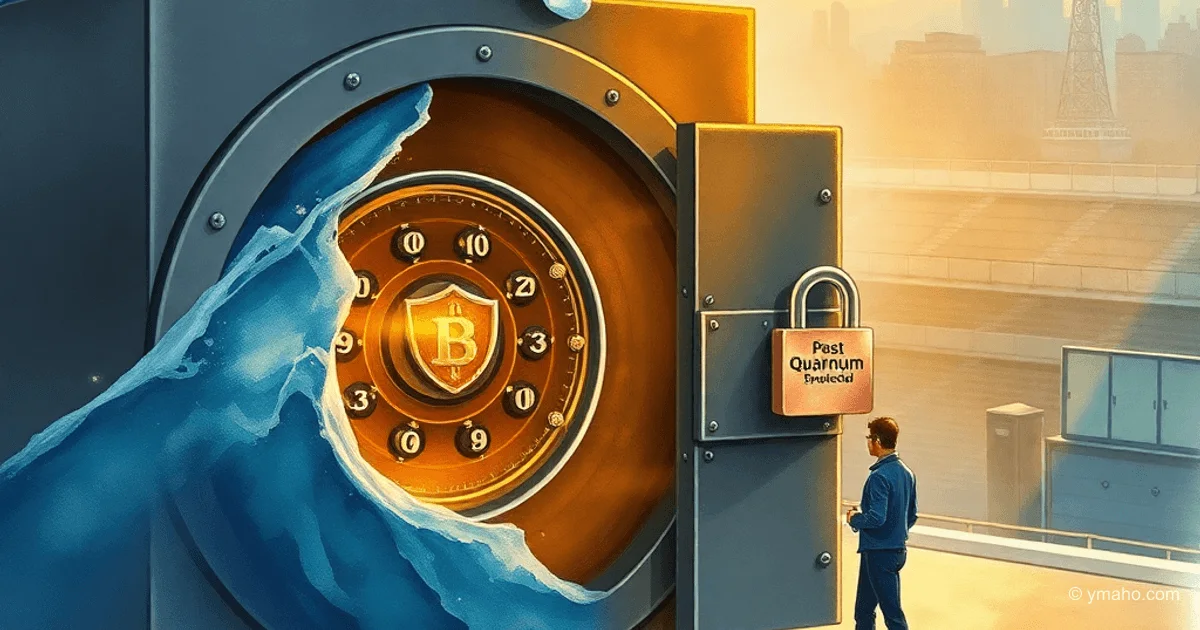
Imagine your bank safe is secured by a combination lock with billions of possible codes. A conventional computer would try them one by one—taking thousands of years. A quantum computer, however, could test nearly all combinations simultaneously, as if it had millions of hands. This is how it could theoretically crack a Bitcoin private key and steal funds.
A recent Google study showed that under specific conditions, a quantum computer could break such a key in just nine minutes. That sounds alarming, but it's crucial to understand: such powerful quantum machines don't yet exist in reality. It's like saying aliens will land tomorrow and take your fridge—possible in the future, but not today.
Does Bitcoin Have a Defense Plan?
Yes, and it's already in development. Bernstein experts highlight two key approaches:
- Post-quantum cryptography—new mathematical encryption methods that even a quantum computer couldn't crack quickly.
- Zero-knowledge (ZK) technologies—which allow transaction verification without exposing the private key, reducing the risk of compromise.
Analysts pay special attention to BIP-360, a proposed update to the Bitcoin protocol that addresses vulnerabilities remaining after the last major upgrade, Taproot. This update could make public addresses (those that have ever sent funds) resistant to quantum attacks.
However, there's a catch: about 8% of all Bitcoin is stored on old, inactive addresses that have never sent any transactions. These coins remain vulnerable because their public keys have never been revealed on the network—but as soon as the owner tries to move funds, the key becomes visible, and a quantum computer (if one exists) could then attack.
Who Should Solve This Problem?
Bernstein argues responsibility doesn't lie solely with developers, but also with large institutional players:
- Companies like Strategy, holding significant BTC volumes
- Bitcoin ETF issuers
- Major exchanges and asset custodians
These entities control billions of dollars and have a vested interest in keeping the network secure. Without their support, any protocol upgrade—even the smartest one—won't gain widespread adoption.
What Matters
- The threat of quantum hacking is real, but not urgent: developers have 3–5 years to prepare.
- According to analysts, Bitcoin's current price already factors in these risks.
- BIP-360 could protect most active addresses, but won't save "sleeping" coins.
- Institutional players will be key voices in adopting post-quantum solutions.
- Google and other researchers offer more pessimistic estimates, but their scenarios rely on hypothetical future technologies.
What This Means for Regular Users
If you hold Bitcoin in a modern wallet and regularly move your funds (e.g., via SegWit or Taproot addresses), your assets are relatively safe—and will become even more secure after future upgrades. The key is to avoid using old addresses from the pre-2017 Bitcoin Core era and never keep large sums on the same address for years without movement. The market has already "digested" the quantum threat, so panic isn't warranted. But staying informed about defense developments is essential.
— Editorial Team









